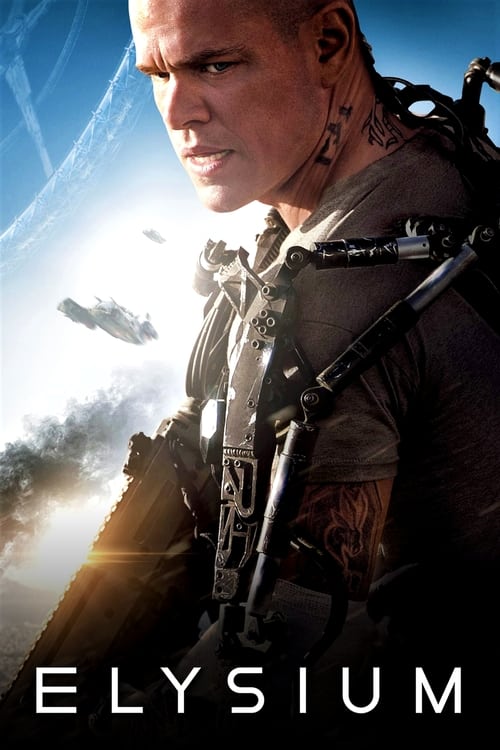
Elysium
In the year 2159, two classes of people exist: the very wealthy who live on a pristine man-made space station called Elysium, and the rest, who live on an overpopulated, ruined Earth. Secretary Rhodes, a hard line government official, will stop at nothing to enforce anti-immigration laws and preserve the luxurious lifestyle of the citizens of Elysium. That doesn’t stop the people of Earth from trying to get in, by any means they can. When unlucky Max is backed into a corner, he agrees to take on a daunting mission that, if successful, will not only save his life, but could bring equality to these polarized worlds.
Despite a substantial budget of $115.0M, Elysium became a box office success, earning $286.1M worldwide—a 149% return.
1 win & 10 nominations


Plot Structure
Story beats plotted across runtime


Narrative Arc
Emotional journey through the story's key moments
Story Circle
Blueprint 15-beat structure
Arcplot Score Breakdown
Weighted: Precision (70%) + Arc (15%) + Theme (15%)
Elysium (2013) reveals deliberately positioned dramatic framework, characteristic of Neill Blomkamp's storytelling approach. This structural analysis examines how the film's 15-point plot structure maps to proven narrative frameworks across 1 hour and 49 minutes. With an Arcplot score of 7.4, the film balances conventional beats with creative variation.
Characters
Cast & narrative archetypes

Max Da Costa
Delacourt
Frey Santiago
Spider
Kruger
John Carlyle
President Patel
Main Cast & Characters
Max Da Costa
Played by Matt Damon
A factory worker with a criminal past who becomes Earth's only hope for equality after a lethal radiation accident gives him five days to live.
Delacourt
Played by Jodie Foster
The ruthless Secretary of Defense of Elysium who will do anything to preserve the station's exclusivity and her power.
Frey Santiago
Played by Alice Braga
Max's childhood friend and love interest, a nurse whose daughter is dying of leukemia.
Spider
Played by Wagner Moura
A human smuggler and tech expert who runs operations to get desperate people to Elysium.
Kruger
Played by Sharlto Copley
A psychotic mercenary sleeper agent activated by Delacourt to hunt down Max and protect Elysium.
John Carlyle
Played by William Fichtner
The wealthy CEO of Armadyne Corp who designs Elysium's defense systems and plots a coup.
President Patel
Played by Faran Tahir
The President of Elysium who is unaware of Delacourt's extreme methods and coup conspiracy.
Structural Analysis
The Status Quo at 1 minutes (1% through the runtime) establishes Young Max and Frey in the Los Angeles orphanage gaze up at Elysium in the sky. A nun tells Max he is special and destined for great things. The dystopian, overpopulated Earth of 2154 is established in stark contrast to the paradise above.. Notably, this early placement immediately immerses viewers in the story world.
The inciting incident occurs at 13 minutes when Max is exposed to a lethal dose of radiation at the Armadyne factory when a door malfunctions and he's forced inside the chamber. He's given five days to live and sent home with painkillers. His only chance of survival is reaching a Med-Bay on Elysium.. At 12% through the film, this Disruption aligns precisely with traditional story structure. This beat shifts the emotional landscape, launching the protagonist into the central conflict.
The First Threshold at 27 minutes marks the transition into Act II, occurring at 25% of the runtime. This indicates the protagonist's commitment to Max chooses his target: John Carlyle, the Armadyne CEO who callously dismissed him after his radiation exposure. Max commits to the heist, crossing into the criminal underworld with no way back. This is his active choice to fight for his survival regardless of consequences., moving from reaction to action.
At 55 minutes, the Midpoint arrives at 50% of the runtime—precisely centered, creating perfect narrative symmetry. Significantly, this crucial beat Kruger's grenade attack kills Spider's crew and nearly kills Max. Max escapes but realizes the data in his head makes him the most wanted man alive. Delacourt will stop at nothing to retrieve it. False defeat: Max has what could save everyone, but he's dying, hunted, and alone., fundamentally raising what's at risk. The emotional intensity shifts, dividing the narrative into clear before-and-after phases.
The Collapse moment at 82 minutes (75% through) represents the emotional nadir. Here, Kruger kills Delacourt after she tries to control him, then turns his violence toward Frey and Matilda. Max is beaten and broken, seemingly powerless to stop the monster he's unleashed. Matilda is dying, Frey is captured, and Max faces the reality that his selfish survival quest has doomed the people he loves., demonstrates the protagonist at their lowest point. This beat's placement in the final quarter sets up the climactic reversal.
The Second Threshold at 87 minutes initiates the final act resolution at 80% of the runtime. Max breaks free and makes his choice: he will upload the program knowing it means his death. He tells Frey to get Matilda to a Med-Bay. He chooses to fulfill the destiny the nun prophesied—not for himself, but for every person suffering on Earth. Want (survival) yields to need (sacrifice for others)., demonstrating the transformation achieved throughout the journey.
Emotional Journey
Elysium's emotional architecture traces a deliberate progression across 15 carefully calibrated beats.
Narrative Framework
This structural analysis employs structural analysis methodology used to understand storytelling architecture. By mapping Elysium against these established plot points, we can identify how Neill Blomkamp utilizes or subverts traditional narrative conventions. The plot point approach reveals not only adherence to structural principles but also creative choices that distinguish Elysium within the science fiction genre.
Neill Blomkamp's Structural Approach
Among the 4 Neill Blomkamp films analyzed on Arcplot, the average structural score is 7.0, demonstrating varied approaches to story architecture. Elysium represents one of the director's most structurally precise works. For comparative analysis, explore the complete Neill Blomkamp filmography.
Comparative Analysis
Additional science fiction films include The Postman, Mad Max 2 and AVP: Alien vs. Predator. For more Neill Blomkamp analyses, see Chappie, Gran Turismo and District 9.
Plot Points by Act
Act I
SetupStatus Quo
Young Max and Frey in the Los Angeles orphanage gaze up at Elysium in the sky. A nun tells Max he is special and destined for great things. The dystopian, overpopulated Earth of 2154 is established in stark contrast to the paradise above.
Theme
The nun tells young Max, "You were born for something special. You will do something important someday." This establishes the theme of purpose and self-sacrifice—that one person can change an unjust system for everyone.
Worldbuilding
Adult Max works at Armadyne factory building the robots that police citizens. The brutal inequality between Earth and Elysium is established: citizens on Elysium have Med-Bays that cure all disease while Earth's population lives in squalor. Max reconnects with Frey, now a nurse, and we see her daughter Matilda is dying of leukemia.
Disruption
Max is exposed to a lethal dose of radiation at the Armadyne factory when a door malfunctions and he's forced inside the chamber. He's given five days to live and sent home with painkillers. His only chance of survival is reaching a Med-Bay on Elysium.
Resistance
Max seeks out Spider, his old criminal contact, to arrange illegal passage to Elysium. Spider agrees to help but demands Max perform a dangerous heist in return—downloading data from the brain of an Elysium citizen. Max is fitted with a military-grade exoskeleton drilled into his body to give him the strength to complete the mission.
Act II
ConfrontationFirst Threshold
Max chooses his target: John Carlyle, the Armadyne CEO who callously dismissed him after his radiation exposure. Max commits to the heist, crossing into the criminal underworld with no way back. This is his active choice to fight for his survival regardless of consequences.
Mirror World
Frey's storyline deepens as we see her desperately trying to save her daughter Matilda. Frey represents everything Max could fight for beyond himself—connection, love, and sacrifice for another. She embodies the thematic truth that true salvation comes through helping others.
Premise
The heist unfolds. Max and Spider's crew ambush Carlyle's ship. Max downloads data from Carlyle's brain but accidentally acquires something far more valuable: a program that can reboot Elysium's systems and make all Earth citizens legal. Secretary Delacourt activates sleeper agent Kruger to hunt Max. The chase across LA showcases Max's exoskeleton in brutal combat.
Midpoint
Kruger's grenade attack kills Spider's crew and nearly kills Max. Max escapes but realizes the data in his head makes him the most wanted man alive. Delacourt will stop at nothing to retrieve it. False defeat: Max has what could save everyone, but he's dying, hunted, and alone.
Opposition
Max seeks refuge with Frey, putting her and Matilda in danger. Kruger captures all three and brings them to Elysium. Delacourt's coup against Elysium's president is underway. Kruger becomes increasingly unhinged, killing Delacourt and planning to take control himself. Max is imprisoned and tortured as Kruger attempts to extract the data.
Collapse
Kruger kills Delacourt after she tries to control him, then turns his violence toward Frey and Matilda. Max is beaten and broken, seemingly powerless to stop the monster he's unleashed. Matilda is dying, Frey is captured, and Max faces the reality that his selfish survival quest has doomed the people he loves.
Crisis
Max must confront his deepest fear—that he's only ever looked out for himself. He remembers the nun's words about his destiny. He realizes that the data in his head could save everyone on Earth, but uploading it will kill him. He must choose between self-preservation and self-sacrifice.
Act III
ResolutionSecond Threshold
Max breaks free and makes his choice: he will upload the program knowing it means his death. He tells Frey to get Matilda to a Med-Bay. He chooses to fulfill the destiny the nun prophesied—not for himself, but for every person suffering on Earth. Want (survival) yields to need (sacrifice for others).
Synthesis
Max battles Kruger in a brutal exoskeleton fight, ultimately killing him. Spider's team arrives to help. Max reaches the Elysium core with Spider. Frey gets Matilda to a Med-Bay. Max uploads the reboot program, making every Earth citizen a legal Elysium citizen. Medical ships launch toward Earth as the system reboots.
Transformation
Max dies as the upload completes, but Matilda is healed by the Med-Bay. Medical ships descend to Earth to heal the masses. The selfish ex-con who only wanted to save himself has given his life to save humanity. Frey holds his hand as he passes—the boy from the slums fulfilled his destiny.