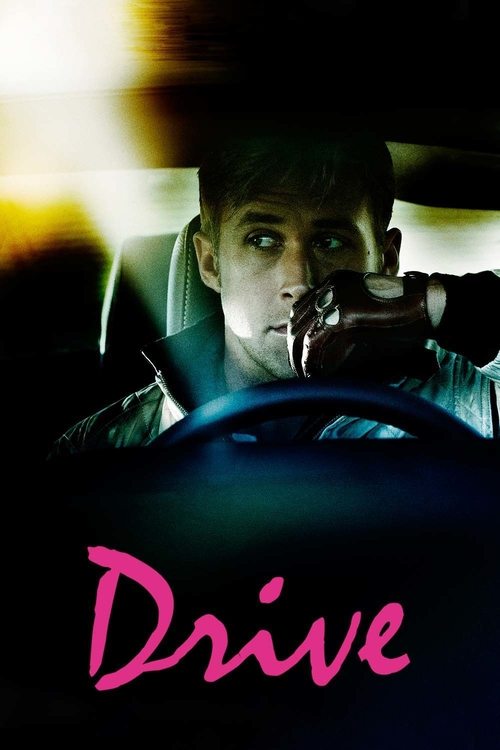
Drive
Driver is a skilled Hollywood stuntman who moonlights as a getaway driver for criminals. Though he projects an icy exterior, lately he's been warming up to a pretty neighbor named Irene and her young son, Benicio. When Irene's husband gets out of jail, he enlists Driver's help in a million-dollar heist. The job goes horribly wrong, and Driver must risk his life to protect Irene and Benicio from the vengeful masterminds behind the robbery.
Despite a mid-range budget of $15.0M, Drive became a solid performer, earning $78.1M worldwide—a 421% return.
Nominated for 1 Oscar. 79 wins & 180 nominations


Plot Structure
Story beats plotted across runtime


Narrative Arc
Emotional journey through the story's key moments
Story Circle
Blueprint 15-beat structure
Arcplot Score Breakdown
Weighted: Precision (70%) + Arc (15%) + Theme (15%)
Drive (2011) exhibits deliberately positioned narrative design, characteristic of Nicolas Winding Refn's storytelling approach. This structural analysis examines how the film's 15-point plot structure maps to proven narrative frameworks across 1 hour and 40 minutes. With an Arcplot score of 7.2, the film balances conventional beats with creative variation.
Characters
Cast & narrative archetypes

Driver
Irene
Shannon
Bernie Rose
Nino
Standard Gabriel
Main Cast & Characters
Driver
Played by Ryan Gosling
A unnamed Hollywood stunt driver who moonlights as a getaway driver, living by a strict professional code until he falls for his neighbor Irene.
Irene
Played by Carey Mulligan
A young mother living next door to Driver, trying to raise her son while her husband is in prison.
Shannon
Played by Bryan Cranston
Driver's mentor and employer, a former stunt driver turned garage owner who manages Driver's racing career.
Bernie Rose
Played by Albert Brooks
A sophisticated mob investor who partners with Shannon, capable of sudden brutal violence beneath his refined exterior.
Nino
Played by Ron Perlman
Bernie's volatile business partner in the LA criminal underworld, running a pizzeria as a front.
Standard Gabriel
Played by Oscar Isaac
Irene's husband recently released from prison, pressured into one more job to clear his debts.
Structural Analysis
The Status Quo at 1 minutes (1% through the runtime) establishes Driver sits alone in his car at night, demonstrating his precise, emotionless professionalism as a getaway driver. He is isolated, controlled, operating by strict rules in a world of darkness and neon.. Significantly, this early placement immediately immerses viewers in the story world.
The inciting incident occurs at 13 minutes when Driver meets Irene and her young son Benicio in the apartment hallway. For the first time, he connects with another human being, breaking his isolated routine.. At 13% through the film, this Disruption is delayed, allowing extended setup of the story world. This beat shifts the emotional landscape, launching the protagonist into the central conflict.
The First Threshold at 25 minutes marks the transition into Act II, occurring at 25% of the runtime. This demonstrates the protagonist's commitment to Driver actively chooses to help Standard with a pawn shop robbery to protect Irene and Benicio from criminals threatening them. He crosses from passive observer to active participant in their danger., moving from reaction to action.
At 50 minutes, the Midpoint arrives at 50% of the runtime—precisely centered, creating perfect narrative symmetry. Significantly, this crucial beat Driver meets with mobster Bernie Rose and Nino, realizing the scope of danger. Bernie appears reasonable, creating false hope of negotiation, but the stakes have raised - these men will kill anyone in their way., fundamentally raising what's at risk. The emotional intensity shifts, dividing the narrative into clear before-and-after phases.
The Collapse moment at 75 minutes (75% through) represents the emotional nadir. Here, Bernie Rose kills Shannon with a razor blade. Driver loses his only friend and father figure - the literal death that marks his lowest point and the complete destruction of his old life., indicates the protagonist at their lowest point. This beat's placement in the final quarter sets up the climactic reversal.
The Second Threshold at 80 minutes initiates the final act resolution at 80% of the runtime. Driver calls Irene one last time, achieving clarity. He will eliminate the threat completely, accepting he can never be with her. He synthesizes his driving skills and capacity for violence into final action., demonstrating the transformation achieved throughout the journey.
Emotional Journey
Drive's emotional architecture traces a deliberate progression across 15 carefully calibrated beats.
Narrative Framework
This structural analysis employs proven narrative structure principles that track dramatic progression. By mapping Drive against these established plot points, we can identify how Nicolas Winding Refn utilizes or subverts traditional narrative conventions. The plot point approach reveals not only adherence to structural principles but also creative choices that distinguish Drive within the drama genre.
Nicolas Winding Refn's Structural Approach
Among the 2 Nicolas Winding Refn films analyzed on Arcplot, the average structural score is 7.3, reflecting strong command of classical structure. Drive takes a more unconventional approach compared to the director's typical style. For comparative analysis, explore the complete Nicolas Winding Refn filmography.
Comparative Analysis
Additional drama films include After Thomas, South Pacific and Dirty Dancing: Havana Nights. For more Nicolas Winding Refn analyses, see Only God Forgives.
Plot Points by Act
Act I
SetupStatus Quo
Driver sits alone in his car at night, demonstrating his precise, emotionless professionalism as a getaway driver. He is isolated, controlled, operating by strict rules in a world of darkness and neon.
Theme
Shannon tells Driver: "You know the story about the scorpion and the frog? Your nature is your nature." This foreshadows the central question of whether one can escape their inherent violent nature.
Worldbuilding
Driver's dual life is established: stunt driver by day, getaway driver by night. His relationship with mentor Shannon, his strict professional code, and his solitary existence in Los Angeles are revealed.
Disruption
Driver meets Irene and her young son Benicio in the apartment hallway. For the first time, he connects with another human being, breaking his isolated routine.
Resistance
Driver tentatively builds a relationship with Irene and Benicio, showing a capacity for tenderness. When Standard, Irene's husband, returns from prison, Driver hesitates but becomes drawn deeper into their lives.
Act II
ConfrontationFirst Threshold
Driver actively chooses to help Standard with a pawn shop robbery to protect Irene and Benicio from criminals threatening them. He crosses from passive observer to active participant in their danger.
Mirror World
The elevator scene where Driver and Irene share a kiss represents the thematic heart: the possibility of human connection and redemption versus his violent nature, crystallized in one moment of tenderness before eruption.
Premise
The pawn shop heist goes wrong. Standard is killed, Driver discovers the money belongs to the mob, and he attempts to protect Irene while navigating the deadly aftermath of the failed robbery.
Midpoint
Driver meets with mobster Bernie Rose and Nino, realizing the scope of danger. Bernie appears reasonable, creating false hope of negotiation, but the stakes have raised - these men will kill anyone in their way.
Opposition
Driver attempts to return the money and protect Irene, but the criminals close in. His violence escalates as he tracks down and eliminates those hunting him, revealing the scorpion nature Shannon warned about.
Collapse
Bernie Rose kills Shannon with a razor blade. Driver loses his only friend and father figure - the literal death that marks his lowest point and the complete destruction of his old life.
Crisis
Driver processes Shannon's death alone in darkness. He fully accepts what he must become to end this - the scorpion who cannot fight his nature. All hope of a normal life with Irene is gone.
Act III
ResolutionSecond Threshold
Driver calls Irene one last time, achieving clarity. He will eliminate the threat completely, accepting he can never be with her. He synthesizes his driving skills and capacity for violence into final action.
Synthesis
Driver methodically eliminates Nino and confronts Bernie Rose. In their final meeting, Driver is stabbed but kills Bernie. He delivers the money to Bernie's associate, ensuring Irene's safety through his sacrifice.
Transformation
Driver sits wounded in his car at night, alone as in the opening, driving away into darkness. The visual mirrors the Status Quo but he is transformed - no longer hoping to escape his nature, accepting isolation as the price of protecting those he loved.