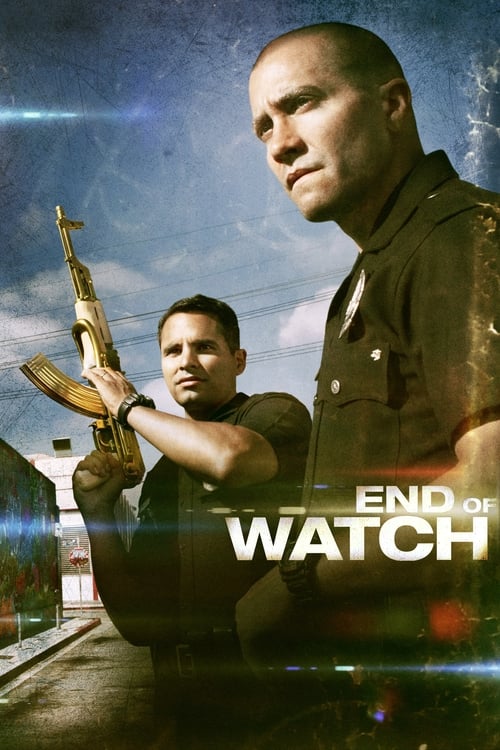
End of Watch
Two young officers are marked for death after confiscating a small cache of money and firearms from the members of a notorious cartel during a routine traffic stop.
Despite its modest budget of $7.0M, End of Watch became a massive hit, earning $55.1M worldwide—a remarkable 687% return. The film's innovative storytelling connected with viewers, showing that strong storytelling can transcend budget limitations.
3 wins & 10 nominations


Plot Structure
Story beats plotted across runtime


Narrative Arc
Emotional journey through the story's key moments
Story Circle
Blueprint 15-beat structure
Arcplot Score Breakdown
Weighted: Precision (70%) + Arc (15%) + Theme (15%)
End of Watch (2012) reveals precise dramatic framework, characteristic of David Ayer's storytelling approach. This structural analysis examines how the film's 15-point plot structure maps to proven narrative frameworks across 1 hour and 49 minutes. With an Arcplot score of 7.2, the film balances conventional beats with creative variation.
Characters
Cast & narrative archetypes

Brian Taylor
Mike Zavala
Janet Taylor
Gabby Zavala
Sarge
La La
Main Cast & Characters
Brian Taylor
Played by Jake Gyllenhaal
Young, enthusiastic LAPD officer partnered with Jake; married and expecting a child, brings humor and heart to the partnership.
Mike Zavala
Played by Michael Peña
Brian's partner and best friend; a dedicated Mexican-American officer, married to Gabby, deeply loyal and street-smart.
Janet Taylor
Played by Anna Kendrick
Brian's wife, pregnant with their first child; supportive but worried about his dangerous job.
Gabby Zavala
Played by Natalie Martinez
Mike's wife, loving and devoted; shares concerns about the dangers her husband faces daily.
Sarge
Played by Frank Grillo
The no-nonsense sergeant overseeing Taylor and Zavala; experienced and protective of his officers.
La La
Played by Yahira Garcia
Violent cartel operative who orders the hit on Taylor and Zavala after they interfere with cartel business.
Structural Analysis
The Status Quo at 1 minutes (1% through the runtime) establishes Brian Taylor films himself and partner Mike Zavala on patrol in South Central LA, introducing their world as confident, cocky LAPD officers who love their job and each other like brothers.. Of particular interest, this early placement immediately immerses viewers in the story world.
The inciting incident occurs at 12 minutes when Brian and Mike pull over a truck and discover a large amount of cash, weapons, and imprisoned people in the back - their first encounter with cartel operations that will mark them for death.. At 11% through the film, this Disruption aligns precisely with traditional story structure. This beat shifts the emotional landscape, launching the protagonist into the central conflict.
The First Threshold at 27 minutes marks the transition into Act II, occurring at 25% of the runtime. This demonstrates the protagonist's commitment to Brian and Mike discover a house full of dead bodies and cartel money. They actively choose to pursue the investigation despite warnings, fully committing to taking down this criminal network, unknowingly sealing their fate., moving from reaction to action.
At 54 minutes, the Midpoint arrives at 50% of the runtime—precisely centered, creating perfect narrative symmetry. The analysis reveals that this crucial beat The cartel officially puts out a hit on Brian and Mike. What seemed like routine police work now becomes a death sentence. The stakes raise dramatically - they're being hunted. False victory (they're good cops) becomes real danger., fundamentally raising what's at risk. The emotional intensity shifts, dividing the narrative into clear before-and-after phases.
The Collapse moment at 80 minutes (73% through) represents the emotional nadir. Here, Brian and Mike respond to a disturbance call and are ambushed by cartel members in a planned attack. In the ensuing shootout and chase into an apartment building, Mike is shot and mortally wounded. The whiff of death becomes literal., reveals the protagonist at their lowest point. This beat's placement in the final quarter sets up the climactic reversal.
The Second Threshold at 86 minutes initiates the final act resolution at 79% of the runtime. Backup arrives and rescues Brian. In the hospital, he learns Mike didn't make it. Brian must now synthesize his identity as a cop with the devastating loss - understanding that the brotherhood and sacrifice are what define the job., demonstrating the transformation achieved throughout the journey.
Emotional Journey
End of Watch's emotional architecture traces a deliberate progression across 15 carefully calibrated beats.
Narrative Framework
This structural analysis employs proven narrative structure principles that track dramatic progression. By mapping End of Watch against these established plot points, we can identify how David Ayer utilizes or subverts traditional narrative conventions. The plot point approach reveals not only adherence to structural principles but also creative choices that distinguish End of Watch within the crime genre.
David Ayer's Structural Approach
Among the 7 David Ayer films analyzed on Arcplot, the average structural score is 6.9, demonstrating varied approaches to story architecture. End of Watch represents one of the director's most structurally precise works. For comparative analysis, explore the complete David Ayer filmography.
Comparative Analysis
Additional crime films include The Bad Guys, Rustom and The Whole Ten Yards. For more David Ayer analyses, see Fury, Street Kings and Sabotage.
Plot Points by Act
Act I
SetupStatus Quo
Brian Taylor films himself and partner Mike Zavala on patrol in South Central LA, introducing their world as confident, cocky LAPD officers who love their job and each other like brothers.
Theme
Sarge tells the officers "You are the police. You're not their social worker or their friend. Remember that." The theme of duty versus humanity, of being warriors versus guardians, is established.
Worldbuilding
We see Brian and Mike's daily routine: patrol, banter, their partnership dynamics. Brian dates Janet, Mike is married to Gabby. They handle routine calls, save kids from a fire, establishing them as good cops in a dangerous neighborhood.
Disruption
Brian and Mike pull over a truck and discover a large amount of cash, weapons, and imprisoned people in the back - their first encounter with cartel operations that will mark them for death.
Resistance
The partners continue their work, unaware of the danger. They investigate further cartel connections, find more evidence. Their sergeant warns them about digging too deep. Meanwhile, their personal lives develop - Brian gets serious with Janet.
Act II
ConfrontationFirst Threshold
Brian and Mike discover a house full of dead bodies and cartel money. They actively choose to pursue the investigation despite warnings, fully committing to taking down this criminal network, unknowingly sealing their fate.
Mirror World
Janet and Gabby become closer, representing the life and love that exist outside the violence. The wives' friendship mirrors the partners' bond, showing what they're protecting and what they have to lose.
Premise
The "cop movie" experience: ride-alongs, busts, confrontations. Brian and Mike are shown as exceptional officers - brave, loyal, effective. They handle domestics, gang violence, save lives. Their bond deepens. The cartel storyline simmers in background.
Midpoint
The cartel officially puts out a hit on Brian and Mike. What seemed like routine police work now becomes a death sentence. The stakes raise dramatically - they're being hunted. False victory (they're good cops) becomes real danger.
Opposition
The cartel closes in. Gang members surveil the officers. Brian and Mike sense something is wrong but continue their duties. They receive medals for heroism. Brian marries Janet. Life gets better just as danger intensifies - dramatic irony mounts.
Collapse
Brian and Mike respond to a disturbance call and are ambushed by cartel members in a planned attack. In the ensuing shootout and chase into an apartment building, Mike is shot and mortally wounded. The whiff of death becomes literal.
Crisis
Brian desperately tries to save Mike, carrying his dying partner while under fire, refusing to leave him. He radios for help in anguish. The emotional darkness of losing his brother. Brian's world collapses around him.
Act III
ResolutionSecond Threshold
Backup arrives and rescues Brian. In the hospital, he learns Mike didn't make it. Brian must now synthesize his identity as a cop with the devastating loss - understanding that the brotherhood and sacrifice are what define the job.
Synthesis
Mike's funeral. The entire LAPD honors him. Brian delivers a eulogy about brotherhood, duty, and sacrifice. The cartel members are hunted down. Brian processes grief, supported by Janet and the department family. The cost of being a warrior is paid.
Transformation
Final video footage shows Brian and Mike during happier times, laughing together on patrol. Brian's voiceover reflects on the meaning of being "a cop" and having a true partner. He's transformed by loss but honors the bond. The status quo is gone but the brotherhood endures.