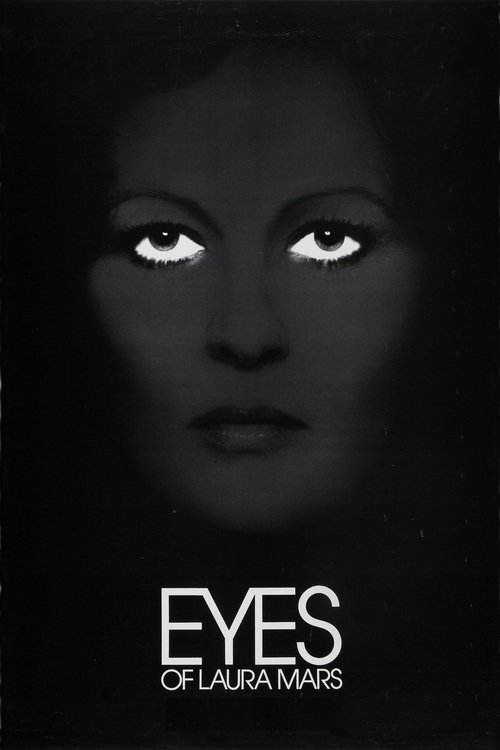
Eyes of Laura Mars
A famous fashion photographer develops a disturbing ability to see through the eyes of a serial killer.
Despite its modest budget of $7.0M, Eyes of Laura Mars became a box office success, earning $20.0M worldwide—a 186% return.
1 win & 2 nominations


Plot Structure
Story beats plotted across runtime


Narrative Arc
Emotional journey through the story's key moments
Story Circle
Blueprint 15-beat structure
Arcplot Score Breakdown
Weighted: Precision (70%) + Arc (15%) + Theme (15%)
Eyes of Laura Mars (1978) showcases meticulously timed dramatic framework, characteristic of Irvin Kershner's storytelling approach. This structural analysis examines how the film's 15-point plot structure maps to proven narrative frameworks across 1 hour and 44 minutes. With an Arcplot score of 7.1, the film balances conventional beats with creative variation.
Characters
Cast & narrative archetypes

Laura Mars
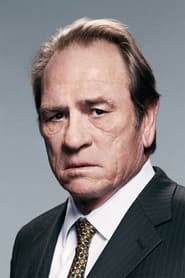
John Neville
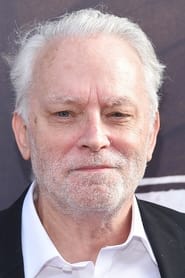
Tommy Ludlow

Donald Phelps
Doris Spenser

Michele
Main Cast & Characters
Laura Mars
Played by Faye Dunaway
A successful fashion photographer who experiences psychic visions through the eyes of a killer stalking her friends.
John Neville
Played by Tommy Lee Jones
A dedicated detective investigating the murders connected to Laura, who becomes romantically involved with her.
Tommy Ludlow
Played by Brad Dourif
Laura's manager and ex-husband who handles her business affairs and maintains a protective presence.
Donald Phelps
Played by Rene Auberjonois
Laura's wealthy driver and assistant with an obsessive devotion to her.
Doris Spenser
Played by Raul Julia
Laura's editor and close friend who works on her photography books.
Michele
Played by Lisa Taylor
One of Laura's top models and friend who becomes a victim.
Structural Analysis
The Status Quo at 1 minutes (1% through the runtime) establishes Laura Mars photographs a violent fashion shoot in Manhattan, establishing her as a successful but controversial artist whose work fetishizes glamorous violence and death.. The analysis reveals that this early placement immediately immerses viewers in the story world.
The inciting incident occurs at 12 minutes when Laura experiences her first terrifying vision—seeing through the killer's eyes as her friend and editor Doris is brutally murdered with an ice pick, a crime happening simultaneously across the city.. At 12% through the film, this Disruption aligns precisely with traditional story structure. This beat shifts the emotional landscape, launching the protagonist into the central conflict.
The First Threshold at 26 minutes marks the transition into Act II, occurring at 25% of the runtime. This demonstrates the protagonist's commitment to Laura actively chooses to help the police investigation, agreeing to work with Neville to catch the killer despite her terror, accepting that her visions are real and she is somehow connected to the murderer., moving from reaction to action.
At 52 minutes, the Midpoint arrives at 50% of the runtime—precisely centered, creating perfect narrative symmetry. The analysis reveals that this crucial beat Laura has a vision during a photoshoot and witnesses the murder of her close friend Lulu in real-time. The stakes escalate dramatically as the killer targets her inner circle, and Laura realizes she cannot prevent the deaths despite seeing them., fundamentally raising what's at risk. The emotional intensity shifts, dividing the narrative into clear before-and-after phases.
The Collapse moment at 78 minutes (75% through) represents the emotional nadir. Here, Tommy is found dead, eliminating the primary suspect. Laura realizes the killer is someone even closer to her than she imagined. Her world collapses as nearly everyone she trusts has been murdered or fallen under suspicion., indicates the protagonist at their lowest point. This beat's placement in the final quarter sets up the climactic reversal.
The Second Threshold at 83 minutes initiates the final act resolution at 80% of the runtime. Laura has a final vision and sees through the killer's eyes as he looks into a mirror—revealing that John Neville, the man she loves and trusted, is the murderer with a split personality., demonstrating the transformation achieved throughout the journey.
Emotional Journey
Eyes of Laura Mars's emotional architecture traces a deliberate progression across 15 carefully calibrated beats.
Narrative Framework
This structural analysis employs structural analysis methodology used to understand storytelling architecture. By mapping Eyes of Laura Mars against these established plot points, we can identify how Irvin Kershner utilizes or subverts traditional narrative conventions. The plot point approach reveals not only adherence to structural principles but also creative choices that distinguish Eyes of Laura Mars within the mystery genre.
Irvin Kershner's Structural Approach
Among the 4 Irvin Kershner films analyzed on Arcplot, the average structural score is 7.0, reflecting strong command of classical structure. Eyes of Laura Mars represents one of the director's most structurally precise works. For comparative analysis, explore the complete Irvin Kershner filmography.
Comparative Analysis
Additional mystery films include Lone Star, The Wicker Man and A Soldier's Story. For more Irvin Kershner analyses, see Star Wars: Episode V - The Empire Strikes Back, Never Say Never Again and RoboCop 2.
Plot Points by Act
Act I
SetupStatus Quo
Laura Mars photographs a violent fashion shoot in Manhattan, establishing her as a successful but controversial artist whose work fetishizes glamorous violence and death.
Theme
A critic at Laura's gallery opening condemns her work as exploitative violence disguised as art, asking whether depicting death makes one complicit in it—foreshadowing Laura's psychic connection to real murders.
Worldbuilding
Laura's high-fashion world is established: her contentious relationship with ex-husband Michael, her loyal assistant Lulu, driver Tommy, and the publication of her controversial new book featuring staged crime scenes.
Disruption
Laura experiences her first terrifying vision—seeing through the killer's eyes as her friend and editor Doris is brutally murdered with an ice pick, a crime happening simultaneously across the city.
Resistance
Detective John Neville investigates Doris's murder and questions Laura about her visions. Laura struggles to understand her psychic connection while police are skeptical. She debates whether to trust the visions or dismiss them as trauma.
Act II
ConfrontationFirst Threshold
Laura actively chooses to help the police investigation, agreeing to work with Neville to catch the killer despite her terror, accepting that her visions are real and she is somehow connected to the murderer.
Mirror World
Laura and John Neville share an intimate moment where he reveals his own troubled past and sensitivity, creating a romantic connection that represents hope and human connection amid the horror surrounding her.
Premise
Laura navigates her dual existence as artist and psychic witness, experiencing terrifying visions while continuing her work. She grows closer to Neville while trying to identify the killer from clues in her visions.
Midpoint
Laura has a vision during a photoshoot and witnesses the murder of her close friend Lulu in real-time. The stakes escalate dramatically as the killer targets her inner circle, and Laura realizes she cannot prevent the deaths despite seeing them.
Opposition
The murders continue as Laura's ex-husband Michael and others fall victim. Suspicion falls on various figures in Laura's life including Tommy. Laura's relationship with Neville deepens even as the killer closes in on her world.
Collapse
Tommy is found dead, eliminating the primary suspect. Laura realizes the killer is someone even closer to her than she imagined. Her world collapses as nearly everyone she trusts has been murdered or fallen under suspicion.
Crisis
Laura is isolated and terrified, questioning everyone around her including Neville. She struggles with the psychological trauma of witnessing multiple murders through the killer's eyes while feeling powerless to stop them.
Act III
ResolutionSecond Threshold
Laura has a final vision and sees through the killer's eyes as he looks into a mirror—revealing that John Neville, the man she loves and trusted, is the murderer with a split personality.
Synthesis
Laura confronts Neville as he arrives at her apartment. His murderous alter ego emerges during the confrontation. Laura must face the horrifying truth that the man she loved is the killer, and she fights for her survival.
Transformation
Neville is shot by police, and Laura holds him as he dies. She is left shattered, having lost everyone she cared about. Her final image—traumatized and alone—mirrors the violent imagery she once photographed, now made devastatingly real.