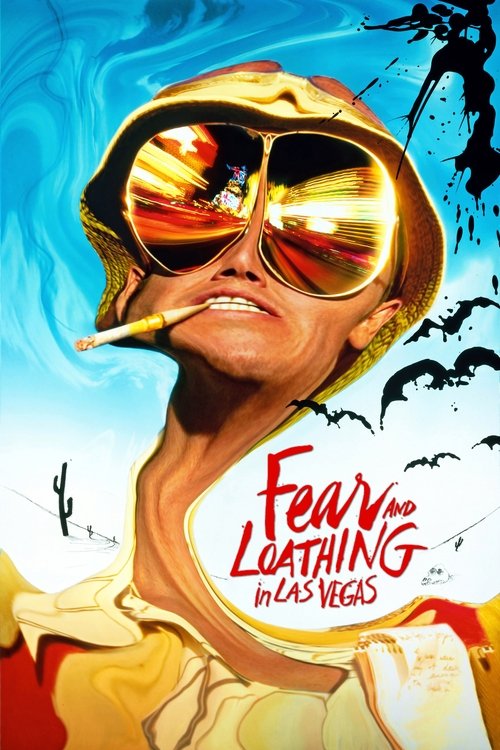
Fear and Loathing in Las Vegas
Raoul Duke and his attorney Dr. Gonzo drive a red convertible across the Mojave desert to Las Vegas with a suitcase full of drugs to cover a motorcycle race. As their consumption of drugs increases at an alarming rate, the stoned duo trash their hotel room and fear legal repercussions. Duke begins to drive back to L.A., but after an odd run-in with a cop, he returns to Sin City and continues his wild drug binge.
The film underperformed commercially against its moderate budget of $18.5M, earning $10.7M globally (-42% loss). While initial box office returns were modest, the film has gained appreciation for its compelling narrative within the adventure genre.
1 win & 3 nominations


Plot Structure
Story beats plotted across runtime


Narrative Arc
Emotional journey through the story's key moments
Story Circle
Blueprint 15-beat structure
Arcplot Score Breakdown
Weighted: Precision (70%) + Arc (15%) + Theme (15%)
Fear and Loathing in Las Vegas (1998) exemplifies meticulously timed story structure, characteristic of Terry Gilliam's storytelling approach. This structural analysis examines how the film's 15-point plot structure maps to proven narrative frameworks across 1 hour and 58 minutes. With an Arcplot score of 6.9, the film balances conventional beats with creative variation.
Characters
Cast & narrative archetypes

Raoul Duke
Dr. Gonzo
Lucy
Main Cast & Characters
Raoul Duke
Played by Johnny Depp
A drug-addled journalist on assignment in Las Vegas, chronicling the death of the American Dream through a haze of psychedelics and paranoia.
Dr. Gonzo
Played by Benicio Del Toro
Duke's attorney and partner in excess, a volatile Samoan lawyer whose drug consumption and unpredictable behavior escalate chaos at every turn.
Lucy
Played by Christina Ricci
A naive young artist who gets caught up with Duke and Gonzo, becoming an unwitting participant in their drug-fueled mayhem.
Structural Analysis
The Status Quo at 1 minutes (1% through the runtime) establishes Duke and Gonzo speed through the desert toward Las Vegas in their red convertible, trunk loaded with drugs. Duke's voiceover establishes their mission: covering the Mint 400 motorcycle race for a magazine.. Notably, this early placement immediately immerses viewers in the story world.
The inciting incident occurs at 14 minutes when Duke receives a telegram from his editor about a second assignment: covering the National District Attorneys' Conference on Narcotics and Dangerous Drugs - a deeply ironic assignment given their condition.. At 12% through the film, this Disruption aligns precisely with traditional story structure. This beat shifts the emotional landscape, launching the protagonist into the central conflict.
The First Threshold at 31 minutes marks the transition into Act II, occurring at 26% of the runtime. This reveals the protagonist's commitment to Duke decides to continue the Vegas mission despite the chaos. After Gonzo's violent freakout with a knife and the hotel room destruction, Duke chooses to flee to a new hotel rather than go home, committing to the deeper descent., moving from reaction to action.
At 59 minutes, the Midpoint arrives at 50% of the runtime—precisely centered, creating perfect narrative symmetry. Of particular interest, this crucial beat At the height of an ether binge in the hotel room, Duke has a terrifying realization about how far they've fallen. The fun is over; the drugs are no longer liberating but imprisoning. False defeat: they're trapped in their own excess., fundamentally raising what's at risk. The emotional intensity shifts, dividing the narrative into clear before-and-after phases.
The Collapse moment at 89 minutes (75% through) represents the emotional nadir. Here, Gonzo abandons Duke, fleeing to Los Angeles and leaving him with an enormous unpaid hotel bill and destroyed room. Duke is alone, broke, strung out, with both assignments failed. The partnership - the last thread of meaning - dies., shows the protagonist at their lowest point. This beat's placement in the final quarter sets up the climactic reversal.
The Second Threshold at 95 minutes initiates the final act resolution at 80% of the runtime. Duke accepts the truth: they came to Las Vegas not to cover stories but to search for the American Dream in the one place it might still exist - and found only its corpse. This clarity allows him to finish the mission on his own terms., demonstrating the transformation achieved throughout the journey.
Emotional Journey
Fear and Loathing in Las Vegas's emotional architecture traces a deliberate progression across 15 carefully calibrated beats.
Narrative Framework
This structural analysis employs proven narrative structure principles that track dramatic progression. By mapping Fear and Loathing in Las Vegas against these established plot points, we can identify how Terry Gilliam utilizes or subverts traditional narrative conventions. The plot point approach reveals not only adherence to structural principles but also creative choices that distinguish Fear and Loathing in Las Vegas within the adventure genre.
Terry Gilliam's Structural Approach
Among the 8 Terry Gilliam films analyzed on Arcplot, the average structural score is 7.1, reflecting strong command of classical structure. Fear and Loathing in Las Vegas takes a more unconventional approach compared to the director's typical style. For comparative analysis, explore the complete Terry Gilliam filmography.
Comparative Analysis
Additional adventure films include The Black Stallion, The Bad Guys and Puss in Boots. For more Terry Gilliam analyses, see Time Bandits, Monty Python and the Holy Grail and The Adventures of Baron Munchausen.
Plot Points by Act
Act I
SetupStatus Quo
Duke and Gonzo speed through the desert toward Las Vegas in their red convertible, trunk loaded with drugs. Duke's voiceover establishes their mission: covering the Mint 400 motorcycle race for a magazine.
Theme
Duke's narration about the wave of optimism in the 1960s that "broke and rolled back" - the death of the American Dream. This establishes the film's central theme: searching for meaning in the wreckage of failed idealism.
Worldbuilding
Duke and Gonzo arrive in Las Vegas and check into the Mint Hotel. Their drug-fueled experiences establish the hallucinatory visual style, their reckless dynamic, and the grotesque Americana landscape they're navigating.
Disruption
Duke receives a telegram from his editor about a second assignment: covering the National District Attorneys' Conference on Narcotics and Dangerous Drugs - a deeply ironic assignment given their condition.
Resistance
Duke debates whether to stay for the second assignment. He and Gonzo escalate their drug use, destroying the hotel room. Duke half-heartedly attempts to cover the Mint 400 race while increasingly disconnected from reality.
Act II
ConfrontationFirst Threshold
Duke decides to continue the Vegas mission despite the chaos. After Gonzo's violent freakout with a knife and the hotel room destruction, Duke chooses to flee to a new hotel rather than go home, committing to the deeper descent.
Mirror World
Duke picks up Lucy, a young hitchhiker/artist who represents innocence. Her presence forces Duke to confront what he and Gonzo have become - she's a mirror showing the corruption of their ideals.
Premise
Duke and Gonzo check into the Flamingo Hotel and attend the District Attorneys' conference on narcotics while heavily drugged. The absurdist irony peaks as they sit among law enforcement discussing the dangers of the very substances they're consuming.
Midpoint
At the height of an ether binge in the hotel room, Duke has a terrifying realization about how far they've fallen. The fun is over; the drugs are no longer liberating but imprisoning. False defeat: they're trapped in their own excess.
Opposition
Paranoia intensifies. Gonzo becomes increasingly unstable and dangerous. Duke struggles to maintain any grip on reality or professionalism. Their money runs out, the hotel threatens them, and the walls close in both literally (hallucinations) and figuratively (consequences).
Collapse
Gonzo abandons Duke, fleeing to Los Angeles and leaving him with an enormous unpaid hotel bill and destroyed room. Duke is alone, broke, strung out, with both assignments failed. The partnership - the last thread of meaning - dies.
Crisis
Duke wanders the hotel alone in a depressive haze, reflecting on what brought them here. He faces the wreckage: the trashed room, the unpaid bills, the failed journalism, the lost idealism. Dark night of the soul in a Vegas hotel.
Act III
ResolutionSecond Threshold
Duke accepts the truth: they came to Las Vegas not to cover stories but to search for the American Dream in the one place it might still exist - and found only its corpse. This clarity allows him to finish the mission on his own terms.
Synthesis
Duke settles accounts, packs up, and prepares to leave. He dictates his final article, synthesizing the experience into something meaningful. He navigates checkout, evades consequences one last time, and drives out of Vegas at dawn.
Transformation
Duke drives away from Las Vegas as dawn breaks, alone in the convertible. His final voiceover reflects on "that sense of inevitable victory over the forces of Old and Evil" - understanding that the dream is dead, but bearing witness to its death is itself meaningful.