
Monty Python and the Holy Grail
History is turned on its comic head when, in tenth-century England, King Arthur travels the countryside to find knights who will join him at the Round Table in Camelot. Gathering up the men is a tale in itself but after a bit of a party at Camelot, many decide to leave only to be stopped by God, who sends them on a quest: to find the Holy Grail. After a series of individual adventures, the knights are reunited but must face a wizard named Tim the Enchanter, killer rabbits and lessons in the use of holy hand grenades. Their quest comes to an end however when the Police intervene - just what you would expect in a Monty Python movie.
Despite its minimal budget of $400K, Monty Python and the Holy Grail became a commercial juggernaut, earning $5.8M worldwide—a remarkable 1341% return. The film's innovative storytelling resonated with audiences, confirming that strong storytelling can transcend budget limitations.
2 wins & 2 nominations


Plot Structure
Story beats plotted across runtime


Narrative Arc
Emotional journey through the story's key moments
Story Circle
Blueprint 15-beat structure
Arcplot Score Breakdown
Weighted: Precision (70%) + Arc (15%) + Theme (15%)
Monty Python and the Holy Grail (1975) demonstrates meticulously timed narrative design, characteristic of Terry Gilliam's storytelling approach. This structural analysis examines how the film's 15-point plot structure maps to proven narrative frameworks across 1 hour and 31 minutes. With an Arcplot score of 7.5, the film showcases strong structural fundamentals.
Characters
Cast & narrative archetypes

King Arthur
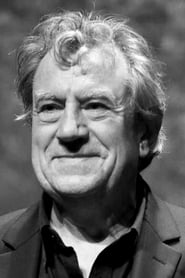
Sir Bedevere the Wise
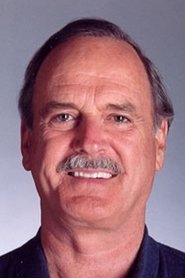
Sir Lancelot the Brave
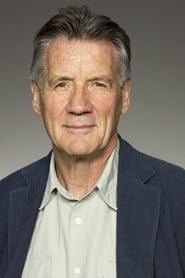
Sir Galahad the Pure
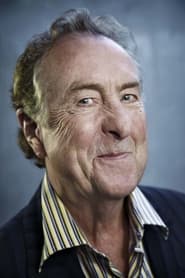
Sir Robin the Not-Quite-So-Brave-as-Sir-Lancelot
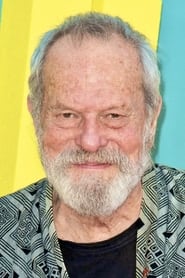
Patsy
Main Cast & Characters
King Arthur
Played by Graham Chapman
The determined king seeking the Holy Grail and knights for his Round Table, maintaining dignity despite constant absurdity.
Sir Bedevere the Wise
Played by Terry Jones
Arthur's most logical and scientific knight, known for his reasoning about witches and bridge-building.
Sir Lancelot the Brave
Played by John Cleese
The impulsive and violent knight who attacks a wedding party and kills many people by mistake.
Sir Galahad the Pure
Played by Michael Palin
The naive and chaste knight who nearly succumbs to temptation at Castle Anthrax.
Sir Robin the Not-Quite-So-Brave-as-Sir-Lancelot
Played by Eric Idle
The cowardly knight who runs from danger while his minstrels sing of his perceived bravery.
Patsy
Played by Terry Gilliam
King Arthur's loyal squire who follows him throughout, banging coconuts together to simulate horse hooves.
Structural Analysis
The Status Quo at 1 minutes (1% through the runtime) establishes King Arthur and Patsy emerge from the mist, coconut hooves clopping, establishing the absurdist medieval world where a king without a horse must pretend to ride while his servant bangs coconuts together.. Notably, this early placement immediately immerses viewers in the story world.
The inciting incident occurs at 10 minutes when God appears in the clouds and commands Arthur and his knights to seek the Holy Grail, giving them divine purpose and setting the quest in motion with characteristically impatient heavenly direction.. At 11% through the film, this Disruption aligns precisely with traditional story structure. This beat shifts the emotional landscape, launching the protagonist into the central conflict.
The First Threshold at 20 minutes marks the transition into Act II, occurring at 22% of the runtime. This indicates the protagonist's commitment to Arthur decides to split up the knights to search for the Grail individually, committing them fully to the quest and transitioning from preparation to active pursuit across the dangerous realm., moving from reaction to action.
At 41 minutes, the Midpoint arrives at 45% of the runtime—arriving early, accelerating into Act IIb complications. Notably, this crucial beat Tim the Enchanter leads them to the Cave of Caerbannog where they discover directions to the Castle Aaaargh, a false victory as the supposed path forward contains deadly peril and the rabbit guardian., fundamentally raising what's at risk. The emotional intensity shifts, dividing the narrative into clear before-and-after phases.
The Collapse moment at 61 minutes (67% through) represents the emotional nadir. Here, Multiple knights fall at the Bridge of Death when they cannot answer the Bridgekeeper's questions, with Sir Robin launched into the gorge for not knowing the capital of Assyria - the quest seems doomed., indicates the protagonist at their lowest point. This beat's placement in the final quarter sets up the climactic reversal.
The Second Threshold at 65 minutes initiates the final act resolution at 71% of the runtime. Arthur discovers Castle Aaaargh is real and occupied by the French knights from the beginning, realizing they must launch a final assault to claim the Grail - the circular journey demands confrontation., demonstrating the transformation achieved throughout the journey.
Emotional Journey
Monty Python and the Holy Grail's emotional architecture traces a deliberate progression across 15 carefully calibrated beats.
Narrative Framework
This structural analysis employs structural analysis methodology used to understand storytelling architecture. By mapping Monty Python and the Holy Grail against these established plot points, we can identify how Terry Gilliam utilizes or subverts traditional narrative conventions. The plot point approach reveals not only adherence to structural principles but also creative choices that distinguish Monty Python and the Holy Grail within the adventure genre.
Terry Gilliam's Structural Approach
Among the 8 Terry Gilliam films analyzed on Arcplot, the average structural score is 7.1, reflecting strong command of classical structure. Monty Python and the Holy Grail represents one of the director's most structurally precise works. For comparative analysis, explore the complete Terry Gilliam filmography.
Comparative Analysis
Additional adventure films include The Black Stallion, The Bad Guys and Puss in Boots. For more Terry Gilliam analyses, see Time Bandits, Fear and Loathing in Las Vegas and The Adventures of Baron Munchausen.
Plot Points by Act
Act I
SetupStatus Quo
King Arthur and Patsy emerge from the mist, coconut hooves clopping, establishing the absurdist medieval world where a king without a horse must pretend to ride while his servant bangs coconuts together.
Theme
The guard's obsessive questioning about swallows carrying coconuts embodies the film's theme: the absurdity of rigid logic and authority when applied to inherently nonsensical situations.
Worldbuilding
Arthur recruits knights across plague-ridden England, encountering peasants who debate political theory, constitutional monarchies, and the illegitimacy of "strange women lying in ponds distributing swords" as a basis for government.
Disruption
God appears in the clouds and commands Arthur and his knights to seek the Holy Grail, giving them divine purpose and setting the quest in motion with characteristically impatient heavenly direction.
Resistance
The knights prepare for their quest, facing early trials including the taunting French soldiers at the castle who catapult farm animals, and Arthur's encounter with the stubborn Black Knight who refuses to yield despite losing all limbs.
Act II
ConfrontationFirst Threshold
Arthur decides to split up the knights to search for the Grail individually, committing them fully to the quest and transitioning from preparation to active pursuit across the dangerous realm.
Mirror World
Sir Galahad stumbles upon Castle Anthrax, populated by 150 young women seeking "punishment" - a temptation subplot that tests knightly virtue and parodies the chaste quest narrative with gleeful absurdity.
Premise
The separated knights face individual comic trials: Sir Robin encounters the Three-Headed Knight, the Knights Who Say Ni demand shrubberies, and Brother Maynard consults the Holy Hand Grenade of Antioch against the killer rabbit.
Midpoint
Tim the Enchanter leads them to the Cave of Caerbannog where they discover directions to the Castle Aaaargh, a false victory as the supposed path forward contains deadly peril and the rabbit guardian.
Opposition
The quest intensifies with mounting obstacles: the Bridge of Death claims knights who cannot answer trivia, the Legendary Black Beast of Aaaargh pursues them, and their numbers dwindle through increasingly absurd casualties.
Collapse
Multiple knights fall at the Bridge of Death when they cannot answer the Bridgekeeper's questions, with Sir Robin launched into the gorge for not knowing the capital of Assyria - the quest seems doomed.
Crisis
The surviving knights - reduced to Arthur and Bedevere - must process their losses and find renewed determination to complete the Grail quest despite seemingly impossible odds.
Act III
ResolutionSecond Threshold
Arthur discovers Castle Aaaargh is real and occupied by the French knights from the beginning, realizing they must launch a final assault to claim the Grail - the circular journey demands confrontation.
Synthesis
Arthur rallies a massive medieval army for the climactic siege of the French castle, charging across the field in an epic battle sequence that promises glorious resolution to the quest.
Transformation
Modern police arrive and arrest Arthur for the historian's murder, ending the film mid-charge as the camera is covered - the ultimate meta-joke subverts all narrative expectations and denies closure entirely.