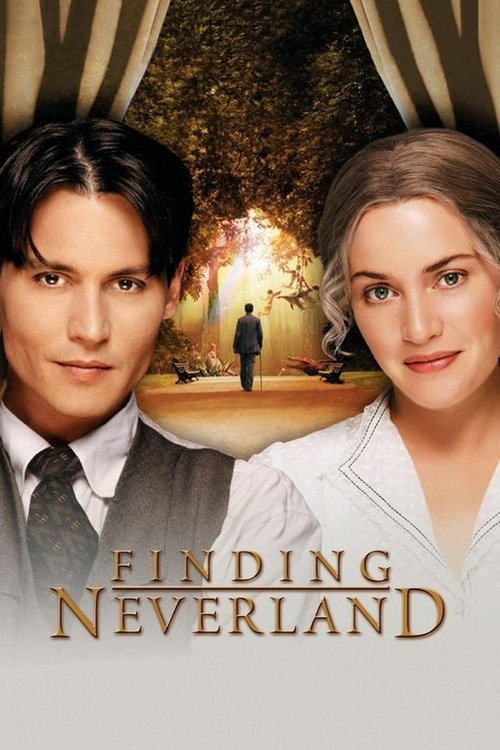
Finding Neverland
During a writing slump, playwright J.M. Barrie meets a widow and her four children, all young boys—who soon become an important part of Barrie’s life and the inspiration that lead him to create his masterpiece. Peter Pan.
Despite a respectable budget of $25.0M, Finding Neverland became a solid performer, earning $116.8M worldwide—a 367% return.
1 Oscar. 19 wins & 81 nominations


Plot Structure
Story beats plotted across runtime


Narrative Arc
Emotional journey through the story's key moments
Story Circle
Blueprint 15-beat structure
Arcplot Score Breakdown
Weighted: Precision (70%) + Arc (15%) + Theme (15%)
Finding Neverland (2004) exemplifies strategically placed story structure, characteristic of Marc Forster's storytelling approach. This structural analysis examines how the film's 15-point plot structure maps to proven narrative frameworks across 1 hour and 46 minutes. With an Arcplot score of 7.2, the film balances conventional beats with creative variation.
Characters
Cast & narrative archetypes

J.M. Barrie
Sylvia Llewelyn Davies
Peter Llewelyn Davies
Mary Ansell Barrie
Emma du Maurier
Charles Frohman
Main Cast & Characters
J.M. Barrie
Played by Johnny Depp
Scottish playwright who finds inspiration for Peter Pan through his friendship with a widow and her four young sons.
Sylvia Llewelyn Davies
Played by Kate Winslet
A young widow and mother of four boys who befriends Barrie and becomes his muse despite her declining health.
Peter Llewelyn Davies
Played by Freddie Highmore
The most introspective of the four brothers, struggling with his father's death and becoming the primary inspiration for Peter Pan.
Mary Ansell Barrie
Played by Radha Mitchell
J.M. Barrie's neglected wife who grows increasingly frustrated with her husband's devotion to the Davies family.
Emma du Maurier
Played by Julie Christie
Sylvia's protective and disapproving mother who is concerned about the impropriety of Barrie's relationship with her daughter.
Charles Frohman
Played by Dustin Hoffman
Barrie's theatrical producer and loyal friend who supports his creative vision despite commercial concerns.
Structural Analysis
The Status Quo at 1 minutes (1% through the runtime) establishes Barrie attends the disastrous opening night of his latest play "Little Mary" to poor reviews and lukewarm applause, showing his creative stagnation and disconnection from genuine inspiration.. Significantly, this early placement immediately immerses viewers in the story world.
The inciting incident occurs at 13 minutes when Barrie meets widow Sylvia Llewelyn Davies and her four sons in Kensington Gardens. He begins playing imaginative games with the boys, particularly connecting with the serious, grief-stricken Peter, awakening his dormant creativity.. At 12% through the film, this Disruption aligns precisely with traditional story structure. This beat shifts the emotional landscape, launching the protagonist into the central conflict.
The First Threshold at 26 minutes marks the transition into Act II, occurring at 25% of the runtime. This demonstrates the protagonist's commitment to Barrie actively chooses to pursue his friendship with the family and embrace the imaginative world with the boys, taking them to the countryside cottage despite Mary's ultimatum, fully committing to this new source of inspiration., moving from reaction to action.
At 52 minutes, the Midpoint arrives at 50% of the runtime—precisely centered, creating perfect narrative symmetry. Of particular interest, this crucial beat False defeat: Sylvia's mother Emma confronts Barrie about the impropriety of his relationship with the family, and Sylvia reveals she is seriously ill. The stakes raise dramatically—time is running out, and society threatens to separate them., fundamentally raising what's at risk. The emotional intensity shifts, dividing the narrative into clear before-and-after phases.
The Collapse moment at 79 minutes (74% through) represents the emotional nadir. Here, Sylvia collapses and is bedridden, clearly dying. Peter completely shuts down emotionally, refusing to believe in anything magical or hopeful. Barrie faces losing both Sylvia and Peter to the harsh reality of death, representing the death of imagination itself., illustrates the protagonist at their lowest point. This beat's placement in the final quarter sets up the climactic reversal.
The Second Threshold at 84 minutes initiates the final act resolution at 79% of the runtime. Barrie realizes the solution: bring Neverland to Sylvia. He stages a private performance of Peter Pan in Sylvia's home, synthesizing reality and imagination, showing that belief and wonder can coexist with and even transform the acceptance of mortality., demonstrating the transformation achieved throughout the journey.
Emotional Journey
Finding Neverland's emotional architecture traces a deliberate progression across 15 carefully calibrated beats.
Narrative Framework
This structural analysis employs systematic plot point analysis that identifies crucial turning points. By mapping Finding Neverland against these established plot points, we can identify how Marc Forster utilizes or subverts traditional narrative conventions. The plot point approach reveals not only adherence to structural principles but also creative choices that distinguish Finding Neverland within the drama genre.
Marc Forster's Structural Approach
Among the 10 Marc Forster films analyzed on Arcplot, the average structural score is 7.3, reflecting strong command of classical structure. Finding Neverland takes a more unconventional approach compared to the director's typical style. For comparative analysis, explore the complete Marc Forster filmography.
Comparative Analysis
Additional drama films include After Thomas, South Pacific and Dirty Dancing: Havana Nights. For more Marc Forster analyses, see Christopher Robin, Stranger Than Fiction and The Kite Runner.
Plot Points by Act
Act I
SetupStatus Quo
Barrie attends the disastrous opening night of his latest play "Little Mary" to poor reviews and lukewarm applause, showing his creative stagnation and disconnection from genuine inspiration.
Theme
Peter Llewelyn Davies tells Barrie, "I'm not Peter Pan, I'm just Peter," foreshadowing the theme about maintaining imagination and wonder while accepting reality and mortality.
Worldbuilding
Establishment of Barrie's world: his loveless marriage to Mary, his friendship with producer Charles Frohman, and the pressures to write commercial hits. We see his childlike nature clashing with Victorian society's expectations.
Disruption
Barrie meets widow Sylvia Llewelyn Davies and her four sons in Kensington Gardens. He begins playing imaginative games with the boys, particularly connecting with the serious, grief-stricken Peter, awakening his dormant creativity.
Resistance
Barrie debates spending more time with Sylvia's family despite his wife's disapproval and society's gossip. He resists his producer's demands for conventional work while being drawn deeper into imaginative play with the boys.
Act II
ConfrontationFirst Threshold
Barrie actively chooses to pursue his friendship with the family and embrace the imaginative world with the boys, taking them to the countryside cottage despite Mary's ultimatum, fully committing to this new source of inspiration.
Mirror World
Deepening relationship with Peter, who embodies the struggle between imagination and harsh reality. Peter becomes Barrie's mirror—showing him both the pain of loss and the necessity of maintaining wonder and belief.
Premise
The "fun and games" of Barrie creating elaborate imaginative worlds with the boys—pirates, Indians, lost boys. He develops the Peter Pan story through play while his relationship with Sylvia deepens. His marriage deteriorates but his creativity flourishes.
Midpoint
False defeat: Sylvia's mother Emma confronts Barrie about the impropriety of his relationship with the family, and Sylvia reveals she is seriously ill. The stakes raise dramatically—time is running out, and society threatens to separate them.
Opposition
Pressure intensifies from all sides: Mary leaves him, Emma restricts his access to the boys, Frohman doubts his unconventional Peter Pan play, and Sylvia's health deteriorates. Peter grows more withdrawn and resistant to imagination as he faces his mother's impending death.
Collapse
Sylvia collapses and is bedridden, clearly dying. Peter completely shuts down emotionally, refusing to believe in anything magical or hopeful. Barrie faces losing both Sylvia and Peter to the harsh reality of death, representing the death of imagination itself.
Crisis
Barrie sits in darkness contemplating whether his pursuit of imagination and wonder has been foolish or harmful. He must find a way to help Peter accept his mother's death while still maintaining the capacity for belief and hope.
Act III
ResolutionSecond Threshold
Barrie realizes the solution: bring Neverland to Sylvia. He stages a private performance of Peter Pan in Sylvia's home, synthesizing reality and imagination, showing that belief and wonder can coexist with and even transform the acceptance of mortality.
Synthesis
The private performance for Sylvia, the public opening night triumph of Peter Pan, and Sylvia's peaceful death. Barrie helps Peter understand that his mother will live on through memory and imagination, teaching him to both grieve and believe simultaneously.
Transformation
Final scene mirrors the opening: Barrie returns to Kensington Gardens with Peter. Peter now plays imaginatively again, having learned to balance grief with wonder. Barrie watches him, transformed from a blocked writer into someone who understands that imagination is not escapism but a way to process and transcend reality.