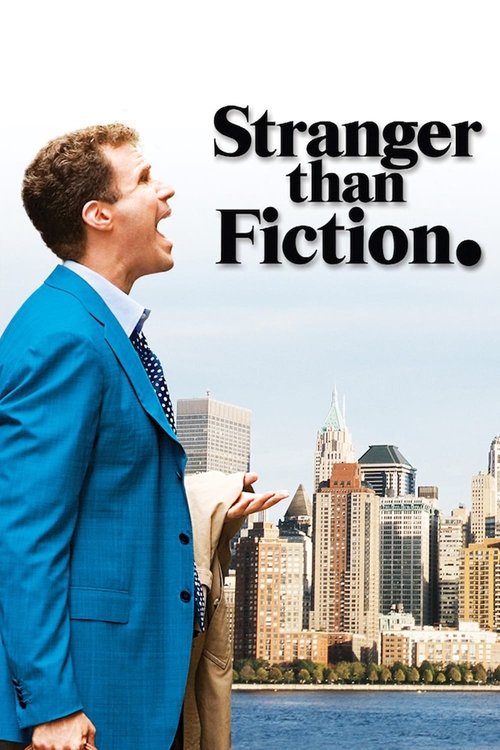
Stranger Than Fiction
Everybody knows that your life is a story. But what if a story was your life? Harold Crick (Will Ferrell) is your average I.R.S. Agent: monotonous, boring, and repetitive. But one day this all changes when Harold begins to hear an author inside of his head narrating his life. The narrator it is extraordinarily accurate, and Harold recognizes the voice as an esteemed author he saw on television. But when the narration reveals that he is going to die, Harold must find the author of the story, and ultimately his life, to convince her to change the ending of the story before it is too late.
Working with a mid-range budget of $30.0M, the film achieved a respectable showing with $53.7M in global revenue (+79% profit margin).
3 wins & 15 nominations
Roger Ebert
"A clever, heartfelt film transcending its high-concept premise. The film balances whimsy with existential depth, rare for comedy to engage seriously with mortality and meaning.The central question - how would you live if you knew you would die - resonates beyond its fantastical setup."Read Full Review


Narrative Tropes
19 totalPlot Structure
Story beats plotted across runtime


Narrative Arc
Emotional journey through the story's key moments
Story Circle
Blueprint 15-beat structure
Arcplot Score Breakdown
Weighted: Precision (70%) + Arc (15%) + Theme (15%)
Stranger Than Fiction (2006) demonstrates carefully calibrated narrative design, characteristic of Marc Forster's storytelling approach. This structural analysis examines how the film's 15-point plot structure maps to proven narrative frameworks across 1 hour and 53 minutes. With an Arcplot score of 8.3, the film showcases strong structural fundamentals.
Characters
Cast & narrative archetypes
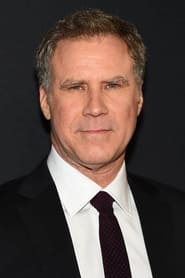
Harold Crick
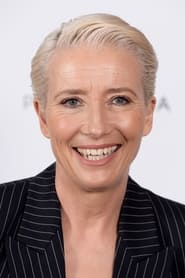
Karen Eiffel
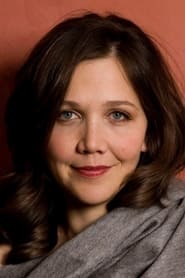
Ana Pascal
Professor Jules Hilbert

Penny Escher

Dave
Character Screen Time
Screen time mapped to story structure
Main Cast & Characters
Harold Crick
Played by Will Ferrell
100% screen time (105 min)
An IRS auditor whose mundane, hyper-organized life is disrupted when he begins hearing a narrator describing his every action - and predicting his imminent death.
Karen Eiffel
Played by Emma Thompson
54% screen time (57 min)
A reclusive author suffering from writer's block, struggling to find the perfect death for her protagonist - unaware that Harold Crick is real.
Ana Pascal
Played by Maggie Gyllenhaal
48% screen time (50 min)
A free-spirited baker who refuses to pay her taxes on principle, becoming the unexpected love of Harold's life.
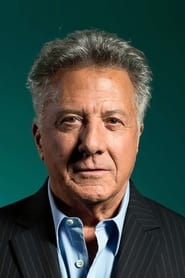
Professor Jules Hilbert
Played by Dustin Hoffman
29% screen time (30 min)
A literature professor who helps Harold determine if his life is a comedy or a tragedy - and how to change the ending.
Penny Escher
Played by Queen Latifah
23% screen time (24 min)
Karen's assistant, hired by the publisher to ensure the book gets finished. Provides grounding presence for the erratic author.
Dave
Played by Tony Hale
10% screen time (10 min)
Harold's co-worker and only friend at the IRS, representing his old life of routine and numbers.
Structural Analysis
The Status Quo at 0 minutes (0% through the runtime) establishes Silent montage of clocks and timepieces marking time. Harold's alarm goes off precisely on schedule. Karen's narration begins describing Harold Crick and his wristwatch. We see Harold's meticulous morning routine: brushing exactly 76 times, tying a single Windsor knot to save 43 seconds, running exactly 57 steps per block. Everything is measured, controlled, lifeless. Sterile blue-gray color palette. Harold is a machine, not a man - alive but not living.. Of particular interest, this early placement immediately immerses viewers in the story world.
The inciting incident occurs at 11 minutes when Harold is brushing his teeth robotically when he hears Karen's voice narrating his life in real-time: "This had been a day of very little thinking for Harold." He freezes. He hears it again, describing his actions as he does them. Then the ominous: "Little did he know..." which terrifies him because that phrase always precedes something bad. The narration isn't his thoughts - it's an external voice describing him like a character. His controlled world invaded by something he cannot explain or control.. At 9% through the film, this Disruption arrives earlier than typical, accelerating the narrative momentum. This beat shifts the emotional state to -3, launching the protagonist into the central conflict.
The First Threshold at 22 minutes marks the transition into Act II, occurring at 19% of the runtime. This reveals the protagonist's commitment to Harold makes TWO active choices into Act II: (1) Goes to see Dr. Mittag-Leffler and TELLS someone about the voice, breaking isolated silence. (2) When psychiatrist doesn't help, goes to library and begins researching, treating this as problem he can solve analytically. (3) Gets assigned to audit Ana Pascal's bakery - choice that will change everything. No longer passively enduring; actively investigating. Chooses to engage with new reality rather than retreat into routine., moving from reaction to action. The emotional journey here reflects -2.
At 48 minutes, the Midpoint arrives at 43% of the runtime—arriving early, accelerating into Act IIb complications. Of particular interest, this crucial beat FALSE DEFEAT. The voice narrates: "Little did he know that this simple seemingly innocuous act would result in his imminent death." Harold hears this while with Ana. Realizes with absolute certainty: he's going to die. This is NOT a comedy - it's a tragedy. He's protagonist of story ending in his death. Stakes skyrocket. Time pressure introduced: death is "imminent." Must decide: accept death passively or fight for life? Calls Hilbert in panic. Hilbert says if tragedy, must find author to change ending. Life or death now., fundamentally raising what's at risk. The emotional state shifts to 2, dividing the narrative into clear before-and-after phases.
The Collapse moment at 72 minutes (64% through) represents the emotional nadir. Here, ROCK BOTTOM. Harold discovers author is Karen Eiffel - reclusive novelist famous for killing protagonists. Tracks her down, confronts her. She doesn't believe him at first - thinks he's crazy. When she realizes he's REAL (knows things only she's written), she's horrified. But tells truth: she's already written his death. It's her best work. Ending is perfect. She won't change it. Harold asks to read manuscript. She refuses. "Whiff of death" is literal - author exists and intends to kill him. Fate sealed. Cannot convince her to spare him., illustrates the protagonist at their lowest point with -5. This beat's placement in the final quarter sets up the climactic reversal.
The Second Threshold at 83 minutes initiates the final act resolution at 73% of the runtime. SYNTHESIS REVELATION. Harold makes active choice: RETURNS manuscript to Karen and tells her to finish it. Chooses death over asking her to compromise art. Synthesis combines A Story (Harold's transformation/mortality) with B Story (love and authenticity). Learned from Ana to live by his values, not others' expectations. His value: art and beauty matter. If death creates something beautiful/meaningful, life has meaning. Choosing authentically. SIMULTANEOUSLY: Karen reads Harold's note. Realizes Harold is REAL, has READ his death, ACCEPTED it. New information changes everything. Sees Harold as human, not character. Empathy awakens. Makes counter-choice: will save Harold by rewriting ending, even if compromises perfect story., demonstrating the transformation achieved throughout the journey. The emotional culmination reaches 2.
Emotional Journey
Stranger Than Fiction's emotional architecture traces a deliberate progression from 2 to 9. The narrative's emotional pivot at the midpoint—2—divides the journey into distinct phases, with the first half building toward this moment of transformation and the second half exploring its consequences. With 5 core emotional states, the narrative maintains focused emotional clarity, allowing sustained thematic development.
Narrative Framework
This structural analysis employs a 15-point narrative structure framework that maps key story moments. By mapping Stranger Than Fiction against these established plot points, we can identify how Marc Forster utilizes or subverts traditional narrative conventions. The plot point approach reveals not only adherence to structural principles but also creative choices that distinguish Stranger Than Fiction within the comedy genre.
Marc Forster's Structural Approach
Among the 10 Marc Forster films analyzed on Arcplot, the average structural score is 7.3, reflecting strong command of classical structure. Stranger Than Fiction represents one of the director's most structurally precise works. For comparative analysis, explore the complete Marc Forster filmography.
Comparative Analysis
Additional comedy films include The Bad Guys, Ella Enchanted and The Evening Star. For more Marc Forster analyses, see Finding Neverland, Christopher Robin and The Kite Runner.
Plot Points by Act
Act I
SetupStatus Quo
Silent montage of clocks and timepieces marking time. Harold's alarm goes off precisely on schedule. Karen's narration begins describing Harold Crick and his wristwatch. We see Harold's meticulous morning routine: brushing exactly 76 times, tying a single Windsor knot to save 43 seconds, running exactly 57 steps per block. Everything is measured, controlled, lifeless. Sterile blue-gray color palette. Harold is a machine, not a man - alive but not living.
Theme
During Harold's work at the IRS, Karen's narration comments on Harold's "infinite numbers, endless calculations and remarkably few words" contrasting with the richness of life he's missing. The meta-theme emerges: he's becoming aware he's in a story. The narration notes how "his wristwatch would delight in the feeling of the crisp wind rushing over its face" - the watch feels more than Harold does. The core problem stated: Harold is unconscious, automated, unaware of living.
Worldbuilding
Harold's world established: IRS senior agent, living alone in sterile apartment, superficial coworker Dave, mathematical genius put to soulless use. He has no hobbies, no relationships, no joy. Every action is timed and calculated. Apartment has no personal touches. Work is numbers. Life is numbers. Everything about control and efficiency. Six things needing fixing: joyless work, no relationships, no passion, mechanical living, fear of spontaneity, emotional disconnection from life.
Disruption
Harold is brushing his teeth robotically when he hears Karen's voice narrating his life in real-time: "This had been a day of very little thinking for Harold." He freezes. He hears it again, describing his actions as he does them. Then the ominous: "Little did he know..." which terrifies him because that phrase always precedes something bad. The narration isn't his thoughts - it's an external voice describing him like a character. His controlled world invaded by something he cannot explain or control.
Resistance
Harold tries to rationalize the voice. Is he going crazy? Makes appointment with psychiatrist Dr. Mittag-Leffler but can't explain it well. The voice continues intermittently, always accurately describing his actions. He tests it - does things unpredictably to see if voice follows. It does. Wrestles with: This can't be real. But it is real. Should he tell someone? Will they think he's insane? Most importantly: voice said "little did he know" - something bad is coming. Should he try to prevent it?
Act II
ConfrontationFirst Threshold
Harold makes TWO active choices into Act II: (1) Goes to see Dr. Mittag-Leffler and TELLS someone about the voice, breaking isolated silence. (2) When psychiatrist doesn't help, goes to library and begins researching, treating this as problem he can solve analytically. (3) Gets assigned to audit Ana Pascal's bakery - choice that will change everything. No longer passively enduring; actively investigating. Chooses to engage with new reality rather than retreat into routine.
Mirror World
Harold arrives at Ana's bakery to audit her taxes. Ana Pascal is everything Harold isn't: passionate, principled, spontaneous, alive. She refuses to pay portion of taxes on ethical grounds (won't fund military). First meeting contentious - she sees him as government robot, he sees her as law-breaker. But immediate spark beneath conflict. Professor Hilbert also introduced as literary expert who will mentor Harold. B Story is romantic (Ana) + mentorship (Hilbert). Both teach Harold about living authentically vs. following rules.
Premise
The "promise of the premise" - Harold navigates life while being narrated. Professor Hilbert treats this as literary problem: Is Harold in comedy or tragedy? They run tests - magical powers? Budding romance? Harold spends more time with Ana during audit, genuine connection develops. Brings her flours as apology. Voice continues narrating, sometimes helping (describing feelings for Ana), sometimes threatening (ominous foreshadowing). Harold starts taking Hilbert's advice to "live his life" - brings Ana cookies, flowers, tries to connect.
Midpoint
FALSE DEFEAT. The voice narrates: "Little did he know that this simple seemingly innocuous act would result in his imminent death." Harold hears this while with Ana. Realizes with absolute certainty: he's going to die. This is NOT a comedy - it's a tragedy. He's protagonist of story ending in his death. Stakes skyrocket. Time pressure introduced: death is "imminent." Must decide: accept death passively or fight for life? Calls Hilbert in panic. Hilbert says if tragedy, must find author to change ending. Life or death now.
Opposition
EXTERNAL: Harold desperately searches for author with Hilbert's help. Narrow to list of authors, test them one by one. Narration continues ominously describing actions. Karen Eiffel shown struggling to figure out how to kill Harold - choosing death methods, testing them. "Bad guys" are fate itself and Karen's creative process. Time running out. INTERNAL: Harold falls deeper in love with Ana, making death prospect more painful. Wants to LIVE now that finally alive. Relationship becomes sexually and emotionally intimate. More to live for = more to lose.
Collapse
ROCK BOTTOM. Harold discovers author is Karen Eiffel - reclusive novelist famous for killing protagonists. Tracks her down, confronts her. She doesn't believe him at first - thinks he's crazy. When she realizes he's REAL (knows things only she's written), she's horrified. But tells truth: she's already written his death. It's her best work. Ending is perfect. She won't change it. Harold asks to read manuscript. She refuses. "Whiff of death" is literal - author exists and intends to kill him. Fate sealed. Cannot convince her to spare him.
Crisis
EMOTIONAL NADIR. After Karen refuses to change ending, Harold sits alone in apartment. Could beg more. Could fight. Instead makes choice: asks Karen for manuscript so he can read his own death. Wants to know how he dies. Wants to understand his story. Hilbert reads it first, calls: "It's a masterpiece. You'll die, but die as part of most beautiful story ever told." Harold reads it. Death is perfect, meaningful. Moment of complete acceptance - will die, and it will give life meaning. Sits with this. Could rage, but feels peace. Chooses to accept death if it means Karen's art survives.
Act III
ResolutionSecond Threshold
SYNTHESIS REVELATION. Harold makes active choice: RETURNS manuscript to Karen and tells her to finish it. Chooses death over asking her to compromise art. Synthesis combines A Story (Harold's transformation/mortality) with B Story (love and authenticity). Learned from Ana to live by his values, not others' expectations. His value: art and beauty matter. If death creates something beautiful/meaningful, life has meaning. Choosing authentically. SIMULTANEOUSLY: Karen reads Harold's note. Realizes Harold is REAL, has READ his death, ACCEPTED it. New information changes everything. Sees Harold as human, not character. Empathy awakens. Makes counter-choice: will save Harold by rewriting ending, even if compromises perfect story.
Synthesis
EXECUTING NEW PLAN. Harold lives his life. Plays guitar with passion. With Ana. Fully alive. Then - the bus. Boy's bike falls into street. Bus coming. Harold sees it happening. Could choose stay safe (old Harold) or sacrifice himself (new Harold). Chooses to save boy - throwing him out of way. Bus hits Harold. Gravely injured but alive. Wristwatch - symbol of old controlled life - destroyed. Shrapnel from watch saves him by slowing impact. KAREN'S SIDE: Rewrites ending. Instead of killing Harold, has him nearly die saving someone. Watch saves him. Sacrifices perfect tragic ending to give Harold life. "Merely good" now instead of great, but right.
Transformation
MIRROR OF OPENING. Karen's narration returns, different now. Describes Harold and Ana together, happy, alive. Harold with guitar. Harold laughing. Narration no longer ominous but celebratory. Says: "And so it was: A wristwatch saved Harold Crick." Final image shows Harold with Ana, fully alive, fully present, choosing moment by moment. Instead of opening's sterile blue world of counting/routine, warm colors, organic life, genuine connection. Wristwatch that once controlled Harold is destroyed but paradoxically saved him. Harold counted everything in opening - now counts nothing and has everything.