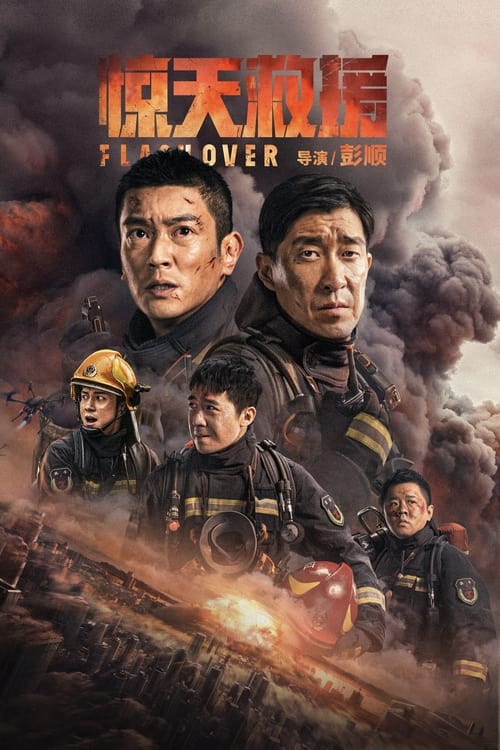
Flashover
A large blast hits the gas pipeline in the industrial park due to a sudden earthquake, which triggers massive explosions and engulfs the neighboring area in flames. Facing the escalating fire danger, the Fire and Rescue Force quickly reaches the hazardous zone to hold the fire and cut a firebreak, in the meantime, many survivors are pulled out of the rubble.
The film earned $5.2M at the global box office.
Plot Structure
Story beats plotted across runtime


Narrative Arc
Emotional journey through the story's key moments
Story Circle
Blueprint 15-beat structure
Arcplot Score Breakdown
Weighted: Precision (70%) + Arc (15%) + Theme (15%)
Flashover (2023) showcases precise plot construction, characteristic of Oxide Pang Chun's storytelling approach. This structural analysis examines how the film's 11-point plot structure maps to proven narrative frameworks across 1 hour and 54 minutes. With an Arcplot score of 7.0, the film balances conventional beats with creative variation.
Structural Analysis
The Status Quo at 1 minutes (1% through the runtime) establishes The firefighting team is shown in their daily routine at the station, conducting drills and maintaining equipment. The protagonist is established as a skilled but haunted firefighter still recovering from a past incident.. Structural examination shows that this early placement immediately immerses viewers in the story world.
The inciting incident occurs at 14 minutes when An alarm sounds for a massive fire at a chemical plant or industrial facility. The scale of the emergency is immediately apparent - this is the big one they've trained for but hoped would never come. Multiple teams are dispatched.. At 12% through the film, this Disruption aligns precisely with traditional story structure. This beat shifts the emotional landscape, launching the protagonist into the central conflict.
At 57 minutes, the Midpoint arrives at 50% of the runtime—precisely centered, creating perfect narrative symmetry. The analysis reveals that this crucial beat A false victory turns to disaster: just as they think they've contained the fire or completed a major rescue, a chemical tank explodes or a structural collapse occurs. The stakes raise dramatically - what they thought was dangerous is now potentially catastrophic. The easy part is over., fundamentally raising what's at risk. The emotional intensity shifts, dividing the narrative into clear before-and-after phases.
The Collapse moment at 86 minutes (75% through) represents the emotional nadir. Here, A team member dies, or the protagonist fails to save someone, or he becomes trapped in conditions identical to his past trauma. This is the whiff of death - the moment where all seems lost and the protagonist confronts his deepest fear made real., reveals the protagonist at their lowest point. This beat's placement in the final quarter sets up the climactic reversal.
The Synthesis at 91 minutes initiates the final act resolution at 80% of the runtime. The finale rescue operation. The protagonist executes a desperate plan to save remaining civilians and stop the catastrophic spread. He faces his fear directly, uses everything he's learned, and leads his team through the final, most dangerous push to victory., demonstrating the transformation achieved throughout the journey.
Emotional Journey
Flashover's emotional architecture traces a deliberate progression across 11 carefully calibrated beats.
Narrative Framework
This structural analysis employs a 15-point narrative structure framework that maps key story moments. By mapping Flashover against these established plot points, we can identify how Oxide Pang Chun utilizes or subverts traditional narrative conventions. The plot point approach reveals not only adherence to structural principles but also creative choices that distinguish Flashover within the drama genre.
Oxide Pang Chun's Structural Approach
Among the 3 Oxide Pang Chun films analyzed on Arcplot, the average structural score is 7.2, reflecting strong command of classical structure. Flashover takes a more unconventional approach compared to the director's typical style. For comparative analysis, explore the complete Oxide Pang Chun filmography.
Comparative Analysis
Additional drama films include Eye for an Eye, South Pacific and Kiss of the Spider Woman. For more Oxide Pang Chun analyses, see The Messengers, Bangkok Dangerous.
Plot Points by Act
Act I
SetupStatus Quo
The firefighting team is shown in their daily routine at the station, conducting drills and maintaining equipment. The protagonist is established as a skilled but haunted firefighter still recovering from a past incident.
Theme
A senior officer or mentor figure tells the protagonist that being a firefighter isn't about being fearless, it's about facing your fears to save others. This establishes the film's central theme of courage through confronting trauma.
Worldbuilding
Introduction to the firefighting station dynamics, team relationships, and the protagonist's personal life. We see family connections, the weight of the job, and hints of past trauma that still affects the protagonist. The city's vulnerability to industrial fires is established.
Disruption
An alarm sounds for a massive fire at a chemical plant or industrial facility. The scale of the emergency is immediately apparent - this is the big one they've trained for but hoped would never come. Multiple teams are dispatched.
Resistance
The team prepares and travels to the site, receiving updates about the severity of the situation. The protagonist debates whether he's ready for this, haunted by flashbacks to his previous trauma. Command establishes strategy while the true danger becomes clear.
Act II
ConfrontationPremise
The firefighting sequences deliver on the promise of the premise - intense rescue operations, dangerous chemical fire scenarios, creative problem-solving under pressure, and the team working together to save lives while navigating the spreading inferno.
Midpoint
A false victory turns to disaster: just as they think they've contained the fire or completed a major rescue, a chemical tank explodes or a structural collapse occurs. The stakes raise dramatically - what they thought was dangerous is now potentially catastrophic. The easy part is over.
Opposition
The fire spreads beyond control. Resources run low. Team members are injured or separated. The protagonist's old fears resurface as conditions mirror his past trauma. Every rescue becomes harder, every decision more desperate. Time is running out before total disaster.
Collapse
A team member dies, or the protagonist fails to save someone, or he becomes trapped in conditions identical to his past trauma. This is the whiff of death - the moment where all seems lost and the protagonist confronts his deepest fear made real.
Crisis
In the darkness and smoke, isolated or injured, the protagonist processes the loss and faces his moment of despair. He must decide whether to give up or find meaning in the sacrifice. The dark night of the soul where he questions everything.
Act III
ResolutionSynthesis
The finale rescue operation. The protagonist executes a desperate plan to save remaining civilians and stop the catastrophic spread. He faces his fear directly, uses everything he's learned, and leads his team through the final, most dangerous push to victory.