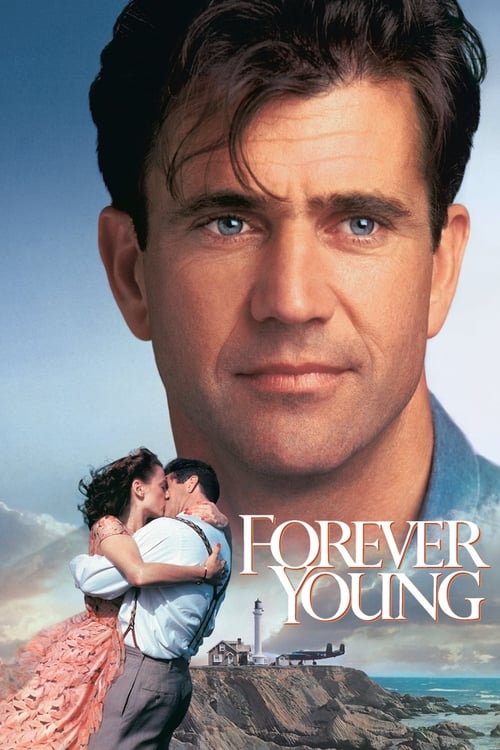
Forever Young
A 1939 test pilot asks his best friend to use him as a guinea pig for a cryogenics experiment. Daniel McCormick wants to be frozen for a year so that he doesn't have to watch his love lying in a coma. The next thing Daniel knows is that he's been awoken in 1992.
Despite a moderate budget of $20.0M, Forever Young became a commercial juggernaut, earning $128.0M worldwide—a remarkable 540% return.


Plot Structure
Story beats plotted across runtime


Narrative Arc
Emotional journey through the story's key moments
Story Circle
Blueprint 15-beat structure
Arcplot Score Breakdown
Weighted: Precision (70%) + Arc (15%) + Theme (15%)
Forever Young (1992) exhibits strategically placed narrative architecture, characteristic of Steve Miner's storytelling approach. This structural analysis examines how the film's 15-point plot structure maps to proven narrative frameworks across 1 hour and 42 minutes. With an Arcplot score of 7.1, the film balances conventional beats with creative variation.
Characters
Cast & narrative archetypes

Daniel McCormick
Claire Cooper
Nat Cooper
Helen
Harry Finley
John
Main Cast & Characters
Daniel McCormick
Played by Mel Gibson
A 1939 test pilot who volunteers for cryogenic freezing after his girlfriend falls into a coma, awakening 53 years later in 1992.
Claire Cooper
Played by Jamie Lee Curtis
A single mother working at a warehouse who discovers Daniel and helps him adapt to the modern world while developing romantic feelings.
Nat Cooper
Played by Elijah Wood
Claire's curious and adventurous young son who becomes Daniel's first friend in the modern world and helps him navigate 1990s culture.
Helen
Played by Isabel Glasser
Daniel's true love from 1939, a teacher who falls into a coma after being struck by a car, prompting Daniel to volunteer for the experiment.
Harry Finley
Played by George Wendt
Daniel's best friend from 1939 and fellow pilot who supervised the cryogenic experiment and lived to old age.
John
Played by Nicolas Coster
A military scientist involved in the original 1939 cryogenic experiment who becomes concerned when Daniel awakens.
Structural Analysis
The Status Quo at 1 minutes (1% through the runtime) establishes 1939: Test pilot Daniel McCormick flies daring missions and enjoys his adventurous life with best friend Harry and girlfriend Helen. He's fearless, living fully in the moment.. Notably, this early placement immediately immerses viewers in the story world.
The inciting incident occurs at 11 minutes when Helen is hit by a car and falls into a coma. Doctors say she may never wake up. Daniel's world collapses; his future with Helen is destroyed in an instant.. At 11% through the film, this Disruption aligns precisely with traditional story structure. This beat shifts the emotional landscape, launching the protagonist into the central conflict.
The First Threshold at 25 minutes marks the transition into Act II, occurring at 24% of the runtime. This shows the protagonist's commitment to Daniel volunteers for the one-year cryogenic experiment, asking to be frozen until Helen wakes. He actively chooses suspended animation over living in a world without her., moving from reaction to action.
At 51 minutes, the Midpoint arrives at 50% of the runtime—precisely centered, creating perfect narrative symmetry. Significantly, this crucial beat Daniel and Claire share a romantic flight in a vintage plane and kiss. He feels alive again, finding unexpected love. False victory: he seems to be adapting, but he's aging rapidly and doesn't know it., fundamentally raising what's at risk. The emotional intensity shifts, dividing the narrative into clear before-and-after phases.
The Collapse moment at 76 minutes (74% through) represents the emotional nadir. Here, Daniel finds elderly Harry in a nursing home. Harry doesn't recognize him at first, then realizes the experiment failed catastrophically. Daniel learns Helen woke from her coma and lived a full life. She's dead. Everything he sacrificed for is gone., demonstrates the protagonist at their lowest point. This beat's placement in the final quarter sets up the climactic reversal.
The Second Threshold at 81 minutes initiates the final act resolution at 80% of the runtime. Harry tells Daniel he must be refrozen to survive and suggests modern medicine might save him. Daniel realizes Claire and Nat are his present - the life worth living for. He chooses to fight for the future, not the past., demonstrating the transformation achieved throughout the journey.
Emotional Journey
Forever Young's emotional architecture traces a deliberate progression across 15 carefully calibrated beats.
Narrative Framework
This structural analysis employs proven narrative structure principles that track dramatic progression. By mapping Forever Young against these established plot points, we can identify how Steve Miner utilizes or subverts traditional narrative conventions. The plot point approach reveals not only adherence to structural principles but also creative choices that distinguish Forever Young within the adventure genre.
Steve Miner's Structural Approach
Among the 7 Steve Miner films analyzed on Arcplot, the average structural score is 7.1, reflecting strong command of classical structure. Forever Young takes a more unconventional approach compared to the director's typical style. For comparative analysis, explore the complete Steve Miner filmography.
Comparative Analysis
Additional adventure films include The Black Stallion, The Bad Guys and Puss in Boots. For more Steve Miner analyses, see Friday the 13th Part 2, House and Friday the 13th Part III.
Plot Points by Act
Act I
SetupStatus Quo
1939: Test pilot Daniel McCormick flies daring missions and enjoys his adventurous life with best friend Harry and girlfriend Helen. He's fearless, living fully in the moment.
Theme
Harry tells Daniel about the cryogenics experiment, joking "You could sleep through the boring parts and wake up when things get interesting." Foreshadows the danger of trying to escape time.
Worldbuilding
Establishing 1939: Daniel's work as a test pilot, his romance with Helen, their playful relationship. He plans to propose. World of military aviation, wartime preparation, and passionate young love.
Disruption
Helen is hit by a car and falls into a coma. Doctors say she may never wake up. Daniel's world collapses; his future with Helen is destroyed in an instant.
Resistance
Devastated, Daniel visits comatose Helen daily. Harry suggests the cryogenics experiment as a way to "wait" for her to wake up. Daniel resists, debates, but can't bear living without her.
Act II
ConfrontationFirst Threshold
Daniel volunteers for the one-year cryogenic experiment, asking to be frozen until Helen wakes. He actively chooses suspended animation over living in a world without her.
Mirror World
1992: Daniel is accidentally discovered by young boys Nat and Felix. He meets Claire, Nat's single mother - a woman living fully in the present, raising her son despite hardship. She represents moving forward.
Premise
Fish-out-of-water fun: Daniel experiences 1992, amazed by technology and cultural changes. Claire and Nat help him adapt. He bonds with the boy, teaching him courage. Romance develops with Claire despite his confusion.
Midpoint
Daniel and Claire share a romantic flight in a vintage plane and kiss. He feels alive again, finding unexpected love. False victory: he seems to be adapting, but he's aging rapidly and doesn't know it.
Opposition
Daniel begins aging rapidly due to the flawed experiment. Military authorities hunt for him. He searches for Harry, discovering 53 years have passed. The past catches up; his body is failing.
Collapse
Daniel finds elderly Harry in a nursing home. Harry doesn't recognize him at first, then realizes the experiment failed catastrophically. Daniel learns Helen woke from her coma and lived a full life. She's dead. Everything he sacrificed for is gone.
Crisis
Daniel processes that Helen lived and died without him. He's dying from accelerated aging. Harry reveals Helen left something for Daniel. Dark night of realizing he wasted his life frozen in the past.
Act III
ResolutionSecond Threshold
Harry tells Daniel he must be refrozen to survive and suggests modern medicine might save him. Daniel realizes Claire and Nat are his present - the life worth living for. He chooses to fight for the future, not the past.
Synthesis
Race against time: Daniel, Claire, and Harry evade military forces to reach the cryogenics facility. Daniel is refrozen. Claire waits. Two years later, he's revived with the aging stopped. They reunite.
Transformation
Daniel, now living in 1992, plays with Nat and embraces Claire. Mirror of opening: once frozen by fear of loss, now fully alive and present. He's learned to live in the now, not suspended in yesterday.