
Gorky Park
An investigator on the Moscow police force relentlessly pursues the solution to a triple homicide which occurred in Moscow's Gorky Park. He finds that no one really wants him to solve the crime because it is just the tip of a complex conspiracy which involves the highest levels of the Moscow city government.
The film earned $15.9M at the global box office.
Nominated for 1 BAFTA Award1 win & 2 nominations


Plot Structure
Story beats plotted across runtime


Narrative Arc
Emotional journey through the story's key moments
Story Circle
Blueprint 15-beat structure
Arcplot Score Breakdown
Weighted: Precision (70%) + Arc (15%) + Theme (15%)
Gorky Park (1983) demonstrates carefully calibrated plot construction, characteristic of Michael Apted's storytelling approach. This structural analysis examines how the film's 15-point plot structure maps to proven narrative frameworks across 2 hours and 8 minutes. With an Arcplot score of 6.7, the film balances conventional beats with creative variation.
Characters
Cast & narrative archetypes

Arkady Renko

Irina Asanova
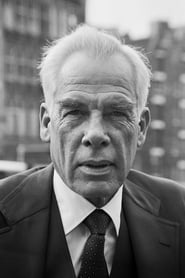
Jack Osborne
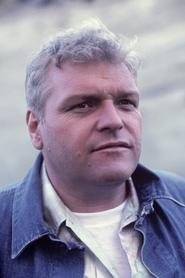
William Kirwill
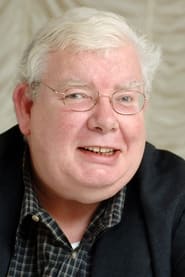
Major Pribluda
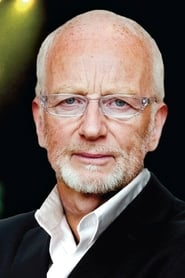
Professor Andreev
Main Cast & Characters
Arkady Renko
Played by William Hurt
Soviet militia investigator tasked with solving a triple murder in Moscow's Gorky Park, navigating both the mystery and political corruption.
Irina Asanova
Played by Joanna Pacula
Dissident fur merchant and love interest who becomes entangled in the murder investigation and Renko's dangerous pursuit of truth.
Jack Osborne
Played by Lee Marvin
American fur importer with connections to the murders, representing Western capitalism and moral ambiguity in Cold War Moscow.
William Kirwill
Played by Brian Dennehy
New York detective seeking revenge for his brother's murder, bringing American-style justice to the Soviet investigation.
Major Pribluda
Played by Richard Griffiths
KGB officer who monitors Renko's investigation, representing the oppressive Soviet state apparatus and political interference.
Professor Andreev
Played by Ian McDiarmid
Forensic anthropologist who helps Renko reconstruct the victims' faces, providing crucial scientific expertise to the investigation.
Structural Analysis
The Status Quo at 1 minutes (1% through the runtime) establishes Winter in Moscow. Three frozen bodies are discovered in Gorky Park, their faces and fingertips removed to prevent identification. The bleak Soviet landscape establishes Renko's world of bureaucratic oppression and moral compromise.. Of particular interest, this early placement immediately immerses viewers in the story world.
The inciting incident occurs at 15 minutes when The KGB attempts to take over the investigation, indicating the victims have connections to matters of state security. Renko realizes this is no ordinary murder but something that threatens powerful interests.. At 12% through the film, this Disruption aligns precisely with traditional story structure. This beat shifts the emotional landscape, launching the protagonist into the central conflict.
The First Threshold at 32 minutes marks the transition into Act II, occurring at 25% of the runtime. This illustrates the protagonist's commitment to Renko chooses to continue investigating despite KGB warnings and his superior's orders to drop the case. He actively defies the system, committing himself to finding the truth regardless of personal consequences., moving from reaction to action.
At 64 minutes, the Midpoint arrives at 50% of the runtime—precisely centered, creating perfect narrative symmetry. The analysis reveals that this crucial beat Renko discovers Osborne's elaborate sable smuggling operation and that the KGB is complicit. This false defeat reveals the conspiracy extends to the highest levels, making his investigation nearly impossible., fundamentally raising what's at risk. The emotional intensity shifts, dividing the narrative into clear before-and-after phases.
The Collapse moment at 96 minutes (75% through) represents the emotional nadir. Here, Renko is removed from the case and faces exile to Siberia. Kirwill's death weighs on him. Irina has seemingly betrayed him by cooperating with Osborne. Everything he fought for appears lost., reveals the protagonist at their lowest point. This beat's placement in the final quarter sets up the climactic reversal.
The Second Threshold at 102 minutes initiates the final act resolution at 80% of the runtime. Renko learns Irina's apparent betrayal was a survival tactic and discovers Osborne plans to flee with her. He realizes he can still expose the truth by confronting Osborne directly at the sable farm., demonstrating the transformation achieved throughout the journey.
Emotional Journey
Gorky Park's emotional architecture traces a deliberate progression across 15 carefully calibrated beats.
Narrative Framework
This structural analysis employs structural analysis methodology used to understand storytelling architecture. By mapping Gorky Park against these established plot points, we can identify how Michael Apted utilizes or subverts traditional narrative conventions. The plot point approach reveals not only adherence to structural principles but also creative choices that distinguish Gorky Park within the crime genre.
Michael Apted's Structural Approach
Among the 13 Michael Apted films analyzed on Arcplot, the average structural score is 7.1, reflecting strong command of classical structure. Gorky Park takes a more unconventional approach compared to the director's typical style. For comparative analysis, explore the complete Michael Apted filmography.
Comparative Analysis
Additional crime films include The Bad Guys, Rustom and The Whole Ten Yards. For more Michael Apted analyses, see Coal Miner's Daughter, Amazing Grace and Extreme Measures.
Plot Points by Act
Act I
SetupStatus Quo
Winter in Moscow. Three frozen bodies are discovered in Gorky Park, their faces and fingertips removed to prevent identification. The bleak Soviet landscape establishes Renko's world of bureaucratic oppression and moral compromise.
Theme
A colleague warns Renko about pursuing cases too aggressively in a system where truth is dangerous: "Some crimes are not meant to be solved." This encapsulates the theme of seeking justice within a corrupt system.
Worldbuilding
Renko investigates the grotesque crime scene while navigating Soviet bureaucracy. We see his strained marriage, his distrust of the KGB, and his methodical investigative approach. The forensic reconstruction of faces begins.
Disruption
The KGB attempts to take over the investigation, indicating the victims have connections to matters of state security. Renko realizes this is no ordinary murder but something that threatens powerful interests.
Resistance
Renko resists pressure to abandon the case while forensic artist reconstructs the victims' faces. He discovers American connections and learns of Jack Osborne, a wealthy businessman. Professor Andreev serves as his technical guide.
Act II
ConfrontationFirst Threshold
Renko chooses to continue investigating despite KGB warnings and his superior's orders to drop the case. He actively defies the system, committing himself to finding the truth regardless of personal consequences.
Mirror World
Renko meets Irina Asanova, a dissident connected to the victims. She represents freedom and the courage to resist the system. Their relationship will challenge his careful existence within Soviet constraints.
Premise
Renko pursues leads connecting American businessman Osborne to illegal sable trading and the murders. He navigates between KGB surveillance, his growing feelings for Irina, and the dangerous truth about international smuggling.
Midpoint
Renko discovers Osborne's elaborate sable smuggling operation and that the KGB is complicit. This false defeat reveals the conspiracy extends to the highest levels, making his investigation nearly impossible.
Opposition
The KGB actively sabotages Renko's investigation. Osborne operates with impunity. Renko's marriage crumbles. His ally Kirwill, an NYPD detective, is killed. Evidence disappears. The system closes in from all sides.
Collapse
Renko is removed from the case and faces exile to Siberia. Kirwill's death weighs on him. Irina has seemingly betrayed him by cooperating with Osborne. Everything he fought for appears lost.
Crisis
Renko contemplates his fate in the oppressive system he serves. Stripped of authority and facing punishment, he must decide whether truth and justice matter enough to risk everything.
Act III
ResolutionSecond Threshold
Renko learns Irina's apparent betrayal was a survival tactic and discovers Osborne plans to flee with her. He realizes he can still expose the truth by confronting Osborne directly at the sable farm.
Synthesis
Renko travels to confront Osborne at the remote sable breeding facility. In the climactic confrontation, the truth about the murders emerges. Osborne is killed, and Irina has the chance to escape to the West.
Transformation
Renko remains in Russia as Irina escapes West. Unlike the frozen anonymity of the opening, Renko has become a man who chose truth over safety. He stands alone but with his integrity intact, transformed by his pursuit of justice.