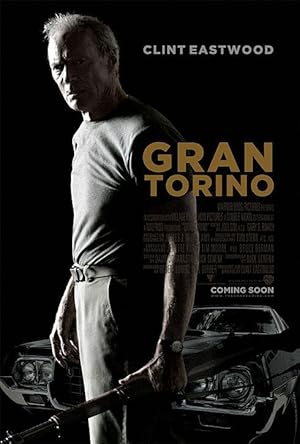
Gran Torino
Walt Kowalski (Clint Eastwood) is a widower who holds onto his prejudices despite the changes in his Michigan neighborhood and the world around him. Kowalski is a grumpy, tough-minded, unhappy old man who can't get along with either his kids or his neighbors. He is a Korean War veteran whose prize possession is a 1972 Gran Torino he keeps in mint condition. When his neighbor Thao Lor (Bee Vang), a young Hmong teenager under pressure from his gang member cousin, tries to steal his Gran Torino, Kowalski sets out to reform the youth. Drawn against his will into the life of Thao's family, Kowalski is soon taking steps to protect them from the gangs that infest their neighborhood.
Despite a respectable budget of $33.0M, Gran Torino became a commercial juggernaut, earning $270.0M worldwide—a remarkable 718% return.
21 wins & 23 nominations


Plot Structure
Story beats plotted across runtime


Narrative Arc
Emotional journey through the story's key moments
Story Circle
Blueprint 15-beat structure
Arcplot Score Breakdown
Weighted: Precision (70%) + Arc (15%) + Theme (15%)
Gran Torino (2008) exemplifies precise narrative architecture, characteristic of Clint Eastwood's storytelling approach. This structural analysis examines how the film's 15-point plot structure maps to proven narrative frameworks across 1 hour and 56 minutes. With an Arcplot score of 2.8, the film takes an unconventional approach to traditional narrative frameworks.
Characters
Cast & narrative archetypes

Walt Kowalski
Thao Vang Lor
Sue Lor
Father Janovich
Spider
Main Cast & Characters
Walt Kowalski
Played by Clint Eastwood
A Korean War veteran and retired auto worker who is a bitter, racist widower struggling with his changing neighborhood and estranged family.
Thao Vang Lor
Played by Bee Vang
A shy Hmong teenager pressured by his cousin's gang to steal Walt's prized Gran Torino, who becomes Walt's unlikely protégé.
Sue Lor
Played by Ahney Her
Thao's outspoken and intelligent older sister who bridges the cultural gap between Walt and her family.
Father Janovich
Played by Christopher Carley
A young Catholic priest who promised Walt's late wife he would get Walt to go to confession.
Spider
Played by Doua Moua
Thao's volatile cousin and gang leader who terrorizes the Lor family and tries to recruit Thao.
Structural Analysis
The Status Quo at 1 minutes (1% through the runtime) establishes Walt Kowalski stands at his wife's funeral, bitter and scowling at his disrespectful grandchildren and disconnected family. A Korean War veteran isolated in his changing Detroit neighborhood, surrounded by Hmong immigrants he regards with open contempt.. Significantly, this early placement immediately immerses viewers in the story world.
The inciting incident occurs at 13 minutes when Thao attempts to steal Walt's prized Gran Torino as a gang initiation. Walt catches him at gunpoint, and though Thao escapes, the incident forces Walt into direct conflict with his Hmong neighbors and the gang violence threatening them.. At 11% through the film, this Disruption aligns precisely with traditional story structure. This beat shifts the emotional landscape, launching the protagonist into the central conflict.
The First Threshold at 27 minutes marks the transition into Act II, occurring at 23% of the runtime. This reveals the protagonist's commitment to Walt actively chooses to mentor Thao, taking him to the barber and teaching him "man" talk, construction skills, and how to get a job. He stops being a passive neighbor and becomes an active father figure, crossing into a world of connection he'd refused since his wife's death., moving from reaction to action.
At 52 minutes, the Midpoint arrives at 45% of the runtime—arriving early, accelerating into Act IIb complications. Notably, this crucial beat Spider's gang drives by and shoots up the Lor family home in retaliation for Walt's interference. The stakes escalate from verbal threats to deadly violence. Walt realizes his protection has made things worse, and the gang will not back down., fundamentally raising what's at risk. The emotional intensity shifts, dividing the narrative into clear before-and-after phases.
The Collapse moment at 78 minutes (67% through) represents the emotional nadir. Here, Sue reveals she was raped by the gang. Walt sees her brutalized and broken. This is his "all is lost" moment—his surrogate daughter destroyed, his protection meaningless. He locks Thao in his basement to prevent him from getting killed seeking revenge. Walt faces the death of hope and innocence., reveals the protagonist at their lowest point. This beat's placement in the final quarter sets up the climactic reversal.
The Second Threshold at 83 minutes initiates the final act resolution at 72% of the runtime. Walt realizes the only way to save Thao and end the cycle of violence is self-sacrifice. He takes Thao's gun, ensuring the boy can't follow. He understands that his death—witnessed by neighbors—will imprison the gang without making Thao a killer. Redemption through sacrifice becomes clear., demonstrating the transformation achieved throughout the journey.
Emotional Journey
Gran Torino's emotional architecture traces a deliberate progression across 15 carefully calibrated beats.
Narrative Framework
This structural analysis employs systematic plot point analysis that identifies crucial turning points. By mapping Gran Torino against these established plot points, we can identify how Clint Eastwood utilizes or subverts traditional narrative conventions. The plot point approach reveals not only adherence to structural principles but also creative choices that distinguish Gran Torino within the drama genre.
Clint Eastwood's Structural Approach
Among the 32 Clint Eastwood films analyzed on Arcplot, the average structural score is 6.5, demonstrating varied approaches to story architecture. Gran Torino takes a more unconventional approach compared to the director's typical style. For comparative analysis, explore the complete Clint Eastwood filmography.
Comparative Analysis
Additional drama films include After Thomas, South Pacific and Dirty Dancing: Havana Nights. For more Clint Eastwood analyses, see True Crime, Million Dollar Baby and The Gauntlet.
Plot Points by Act
Act I
SetupStatus Quo
Walt Kowalski stands at his wife's funeral, bitter and scowling at his disrespectful grandchildren and disconnected family. A Korean War veteran isolated in his changing Detroit neighborhood, surrounded by Hmong immigrants he regards with open contempt.
Theme
Father Janovich tells Walt that his late wife wanted him to go to confession, saying "You're living on borrowed time." The theme of redemption and facing one's past sins is introduced, though Walt dismisses it with hostility.
Worldbuilding
Walt's isolated existence is established: widowed, estranged from his sons, clinging to his 1972 Gran Torino and his rundown house in a neighborhood transformed by Hmong families. His racism, military past, and Ford factory career define him. Next door, Thao Vang Lor lives with his family, pressured by his cousin Spider's gang.
Disruption
Thao attempts to steal Walt's prized Gran Torino as a gang initiation. Walt catches him at gunpoint, and though Thao escapes, the incident forces Walt into direct conflict with his Hmong neighbors and the gang violence threatening them.
Resistance
The Hmong community insists Thao work for Walt to restore his family's honor. Walt resists involvement, but gradually accepts Thao's labor. Sue, Thao's outspoken sister, begins breaking through Walt's prejudice with her fearlessness. Walt debates whether to remain isolated or engage with these neighbors he doesn't understand.
Act II
ConfrontationFirst Threshold
Walt actively chooses to mentor Thao, taking him to the barber and teaching him "man" talk, construction skills, and how to get a job. He stops being a passive neighbor and becomes an active father figure, crossing into a world of connection he'd refused since his wife's death.
Mirror World
Walt's deepening relationship with Thao and Sue represents the thematic mirror: they offer him family, purpose, and redemption. Sue especially embodies the lesson he needs—openness, forgiveness, cultural bridge-building—everything his biological family failed to provide.
Premise
Walt transforms into a mentor and protector. He teaches Thao work ethics, gets him a construction job, and spends time with the Lor family, experiencing connection and respect. He confronts the gang harassing Sue and Thao multiple times, becoming the neighborhood guardian. His casual racism fades into genuine affection.
Midpoint
Spider's gang drives by and shoots up the Lor family home in retaliation for Walt's interference. The stakes escalate from verbal threats to deadly violence. Walt realizes his protection has made things worse, and the gang will not back down.
Opposition
Gang violence intensifies. Walt becomes increasingly protective but also aware of his limitations and failing health (coughing blood). Thao wants revenge. The gang beats Thao brutally and sexually assaults Sue. Walt's rage grows, but so does his realization that violence will only perpetuate the cycle.
Collapse
Sue reveals she was raped by the gang. Walt sees her brutalized and broken. This is his "all is lost" moment—his surrogate daughter destroyed, his protection meaningless. He locks Thao in his basement to prevent him from getting killed seeking revenge. Walt faces the death of hope and innocence.
Crisis
Walt sits in darkness, contemplating his options. He goes to confession with Father Janovich, finally revealing a sliver of his Korean War guilt. He gets a haircut, makes arrangements, and prepares himself mentally. He processes his rage and loss, finding a different path than vengeance.
Act III
ResolutionSecond Threshold
Walt realizes the only way to save Thao and end the cycle of violence is self-sacrifice. He takes Thao's gun, ensuring the boy can't follow. He understands that his death—witnessed by neighbors—will imprison the gang without making Thao a killer. Redemption through sacrifice becomes clear.
Synthesis
Walt confronts Spider's gang unarmed, provoking them while neighbors watch and call police. He reaches for his lighter (resembling a gun), and the gang shoots him dead in front of witnesses. His sacrifice ensures their arrest and conviction, protecting Thao and Sue without perpetuating violence. His final act is complete selflessness.
Transformation
Thao receives Walt's Gran Torino in his will, not Walt's biological family. Thao drives the car with Daisy (Walt's dog) along the lake, embodying everything Walt taught him. The bitter, isolated racist has been transformed in death into a redeemer who chose love over blood, sacrifice over vengeance.