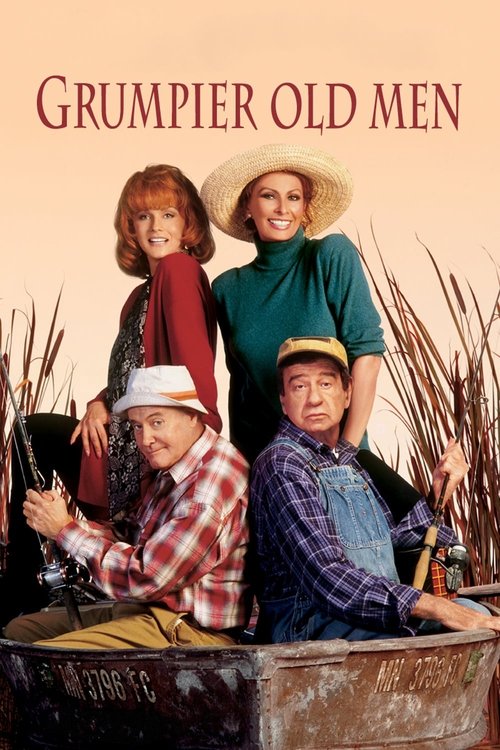
Grumpier Old Men
A family wedding reignites the ancient feud between next-door neighbors and fishing buddies John and Max. Meanwhile, a sultry Italian divorcée opens a restaurant at the local bait shop, alarming the locals who worry she'll scare the fish away. But she's less interested in seafood than she is in cooking up a hot time with Max.
Despite a moderate budget of $25.0M, Grumpier Old Men became a financial success, earning $71.5M worldwide—a 186% return.
2 wins & 2 nominations


Plot Structure
Story beats plotted across runtime


Narrative Arc
Emotional journey through the story's key moments
Story Circle
Blueprint 15-beat structure
Arcplot Score Breakdown
Weighted: Precision (70%) + Arc (15%) + Theme (15%)
Grumpier Old Men (1995) exhibits strategically placed narrative architecture, characteristic of Howard Deutch's storytelling approach. This structural analysis examines how the film's 15-point plot structure maps to proven narrative frameworks across 1 hour and 41 minutes. With an Arcplot score of 7.7, the film showcases strong structural fundamentals.
Characters
Cast & narrative archetypes

Max Goldman
John Gustafson
Maria Ragetti
Ariel Gustafson
Melanie Gustafson
Jacob Goldman
Main Cast & Characters
Max Goldman
Played by Walter Matthau
Grumpy widower locked in a lifelong feud with his neighbor John, hiding a warm heart beneath his cantankerous exterior.
John Gustafson
Played by Jack Lemmon
Max's equally stubborn rival and former best friend, recently married to Ariel, still engaging in their legendary pranks and arguments.
Maria Ragetti
Played by Sophia Loren
Attractive Italian restaurateur who moves to town and becomes the object of both Max and John's romantic attention.
Ariel Gustafson
Played by Ann-Margret
John's new wife who brings warmth and patience to their household while tolerating the ongoing feud with Max.
Melanie Gustafson
Played by Daryl Hannah
John's daughter who loves her father but worries about his antics and the stress they cause.
Jacob Goldman
Played by Kevin Pollak
Max's son who serves as a grounded, responsible presence trying to manage his father's behavior.
Structural Analysis
The Status Quo at 1 minutes (1% through the runtime) establishes Max and John continue their lifelong feud with pranks and insults, but both are now happily married after finding love in their old age. The opening shows their contentious but familiar dynamic as elderly neighbors.. Structural examination shows that this early placement immediately immerses viewers in the story world.
The inciting incident occurs at 12 minutes when Maria Ragetti, a beautiful Italian woman, moves into the neighborhood and opens a restaurant. Her arrival disrupts the status quo as she inadvertently becomes a source of new conflict between Max and John, and challenges their marriages.. At 11% through the film, this Disruption aligns precisely with traditional story structure. This beat shifts the emotional landscape, launching the protagonist into the central conflict.
The First Threshold at 25 minutes marks the transition into Act II, occurring at 25% of the runtime. This demonstrates the protagonist's commitment to Both Max and John actively choose to scheme against Maria's restaurant, deciding to sabotage her business. This decision launches them into Act 2 and creates the central conflict that will threaten their marriages and friendship., moving from reaction to action.
At 51 minutes, the Midpoint arrives at 50% of the runtime—precisely centered, creating perfect narrative symmetry. Notably, this crucial beat False defeat: Ariel and Maria discover their husbands' schemes against Maria Ragetti. The wives are furious, and both marriages are suddenly in jeopardy. The stakes raise dramatically as fun turns to serious consequences., fundamentally raising what's at risk. The emotional intensity shifts, dividing the narrative into clear before-and-after phases.
The Collapse moment at 75 minutes (74% through) represents the emotional nadir. Here, All is lost: Both wives serve divorce papers. Max and John face losing everything - their marriages, their homes, their dignity. The metaphorical death of their marriages and their identity as married men., reveals the protagonist at their lowest point. This beat's placement in the final quarter sets up the climactic reversal.
The Second Threshold at 81 minutes initiates the final act resolution at 80% of the runtime. Synthesis moment: Max and John realize they must put aside their egos and work together (combining their competitive energy with genuine love) to win back their wives. They formulate a plan to make amends to Maria and prove their growth., demonstrating the transformation achieved throughout the journey.
Emotional Journey
Grumpier Old Men's emotional architecture traces a deliberate progression across 15 carefully calibrated beats.
Narrative Framework
This structural analysis employs structural analysis methodology used to understand storytelling architecture. By mapping Grumpier Old Men against these established plot points, we can identify how Howard Deutch utilizes or subverts traditional narrative conventions. The plot point approach reveals not only adherence to structural principles but also creative choices that distinguish Grumpier Old Men within the romance genre.
Howard Deutch's Structural Approach
Among the 9 Howard Deutch films analyzed on Arcplot, the average structural score is 7.5, reflecting strong command of classical structure. Grumpier Old Men represents one of the director's most structurally precise works. For comparative analysis, explore the complete Howard Deutch filmography.
Comparative Analysis
Additional romance films include South Pacific, Dirty Dancing: Havana Nights and The Evening Star. For more Howard Deutch analyses, see The Whole Ten Yards, Pretty in Pink and Getting Even with Dad.
Plot Points by Act
Act I
SetupStatus Quo
Max and John continue their lifelong feud with pranks and insults, but both are now happily married after finding love in their old age. The opening shows their contentious but familiar dynamic as elderly neighbors.
Theme
Ariel mentions to Maria that "It's never too late to start over" when discussing the new neighbor moving in, establishing the film's theme about second chances and new beginnings regardless of age.
Worldbuilding
Establishment of the neighborhood dynamics, Max and John's marriages to Ariel and Maria respectively, the fishing culture, and the tight-knit Minnesota community. Shows both couples settling into married life.
Disruption
Maria Ragetti, a beautiful Italian woman, moves into the neighborhood and opens a restaurant. Her arrival disrupts the status quo as she inadvertently becomes a source of new conflict between Max and John, and challenges their marriages.
Resistance
Max and John separately resist the changes Maria brings to the neighborhood. Their wives grow suspicious of their interest in Maria. The men debate how to handle the situation while trying to maintain their marriages and one-up each other.
Act II
ConfrontationFirst Threshold
Both Max and John actively choose to scheme against Maria's restaurant, deciding to sabotage her business. This decision launches them into Act 2 and creates the central conflict that will threaten their marriages and friendship.
Mirror World
John Gustafson Sr. (their elderly father figure) appears and offers wisdom about marriage and forgiveness. He represents the thematic mirror - showing what grace and acceptance look like in lasting relationships.
Premise
The "fun and games" of watching Max and John execute increasingly elaborate pranks against Maria while trying to hide their schemes from their wives. Comic escalation as their plans backfire and create more chaos in their marriages.
Midpoint
False defeat: Ariel and Maria discover their husbands' schemes against Maria Ragetti. The wives are furious, and both marriages are suddenly in jeopardy. The stakes raise dramatically as fun turns to serious consequences.
Opposition
Ariel and Maria kick out Max and John. The men must live together in John's ice fishing shack, forcing them to confront their childish behavior. Their wives grow closer to each other and further from their husbands. Pressure intensifies as wedding anniversary approaches.
Collapse
All is lost: Both wives serve divorce papers. Max and John face losing everything - their marriages, their homes, their dignity. The metaphorical death of their marriages and their identity as married men.
Crisis
Dark night of the soul: Max and John sit in despair, reflecting on how their stubbornness and immaturity cost them the best things in their lives. They process their failures and begin to understand what really matters.
Act III
ResolutionSecond Threshold
Synthesis moment: Max and John realize they must put aside their egos and work together (combining their competitive energy with genuine love) to win back their wives. They formulate a plan to make amends to Maria and prove their growth.
Synthesis
The finale: Max and John execute their plan, making a grand public apology to Maria and their wives. They organize a romantic gesture, demonstrate genuine change, and repair relationships with the community. Final confrontation of their flaws.
Transformation
Closing image mirrors opening: Max and John still bicker and compete, but now with their wives lovingly by their sides, showing they've matured enough to keep their marriages while staying true to themselves. The feud continues but no longer threatens what matters.