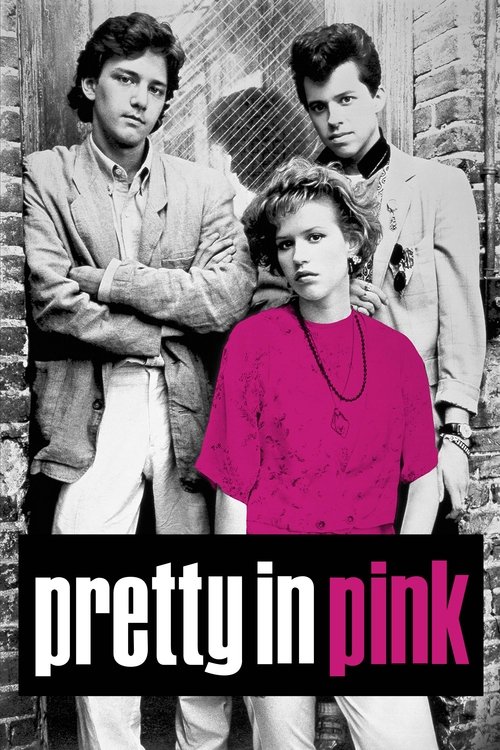
Pretty in Pink
Andie is an outcast, hanging out either with her older boss, who owns the record store where she works, or her quirky high school classmate Duckie, who has a crush on her. When one of the rich and popular kids at school, Blane, asks Andie out, it seems too good to be true. As Andie starts falling for Blane, she begins to realize that dating someone from a different social sphere is not easy.
Despite its tight budget of $9.0M, Pretty in Pink became a financial success, earning $40.5M worldwide—a 350% return. The film's unique voice engaged audiences, illustrating how strong storytelling can transcend budget limitations.


Plot Structure
Story beats plotted across runtime


Narrative Arc
Emotional journey through the story's key moments
Story Circle
Blueprint 15-beat structure
Arcplot Score Breakdown
Weighted: Precision (70%) + Arc (15%) + Theme (15%)
Pretty in Pink (1986) exemplifies carefully calibrated narrative architecture, characteristic of Howard Deutch's storytelling approach. This structural analysis examines how the film's 15-point plot structure maps to proven narrative frameworks across 1 hour and 37 minutes. With an Arcplot score of 7.4, the film balances conventional beats with creative variation.
Characters
Cast & narrative archetypes

Andie Walsh
Blane McDonough
Duckie Dale
Steff McKee
Iona
Jack Walsh
Main Cast & Characters
Andie Walsh
Played by Molly Ringwald
A working-class high school senior who works at a record store and struggles to fit in with the wealthy crowd while staying true to herself.
Blane McDonough
Played by Andrew McCarthy
A wealthy, sensitive prep school student who falls for Andie despite pressure from his social circle.
Duckie Dale
Played by Jon Cryer
Andie's quirky, devoted best friend who harbors unrequited romantic feelings for her and provides comic relief.
Steff McKee
Played by James Spader
Blane's arrogant, wealthy best friend who actively works to sabotage Blane and Andie's relationship.
Iona
Played by Annie Potts
Andie's punk rock mentor and record store manager who encourages her to take risks in love and life.
Jack Walsh
Played by Harry Dean Stanton
Andie's unemployed father who is struggling with depression after losing his wife.
Structural Analysis
The Status Quo at 1 minutes (1% through the runtime) establishes Andie wakes up in her eclectic bedroom, surrounded by vintage clothes and records, establishing her as creative, individualistic, and from a working-class background. She gets ready for school with her own unique style.. Significantly, this early placement immediately immerses viewers in the story world.
The inciting incident occurs at 12 minutes when Blane, a wealthy popular student, approaches Andie in the hallway and shows genuine interest in her, crossing the social divide. He asks about her and seems intrigued by her uniqueness, disrupting her comfortable outsider status.. At 13% through the film, this Disruption is delayed, allowing extended setup of the story world. This beat shifts the emotional landscape, launching the protagonist into the central conflict.
The First Threshold at 25 minutes marks the transition into Act II, occurring at 26% of the runtime. This demonstrates the protagonist's commitment to Andie agrees to go on a date with Blane. She makes the active choice to cross the social divide and enter a relationship with someone from a completely different world, despite warnings from friends and her own doubts., moving from reaction to action.
At 50 minutes, the Midpoint arrives at 51% of the runtime—precisely centered, creating perfect narrative symmetry. The analysis reveals that this crucial beat Blane invites Andie to the prom, but Steff (his wealthy best friend) makes clear his disapproval and threatens their friendship. The stakes raise as Blane must choose between his social world and Andie. The easy romance phase ends; real consequences emerge., fundamentally raising what's at risk. The emotional intensity shifts, dividing the narrative into clear before-and-after phases.
The Collapse moment at 72 minutes (74% through) represents the emotional nadir. Here, Blane caves to social pressure and lies to Andie, claiming he already asked someone else to prom. He abandons her, choosing his social status over their relationship. Andie's belief in authentic connection dies; her hope that love could transcend class collapses., shows the protagonist at their lowest point. This beat's placement in the final quarter sets up the climactic reversal.
The Second Threshold at 77 minutes initiates the final act resolution at 80% of the runtime. Andie decides to attend prom on her own terms. She creates her own dress from two vintage dresses, synthesizing her unique style with the formal occasion. She chooses to show up authentically as herself, not for Blane but for her own dignity., demonstrating the transformation achieved throughout the journey.
Emotional Journey
Pretty in Pink's emotional architecture traces a deliberate progression across 15 carefully calibrated beats.
Narrative Framework
This structural analysis employs systematic plot point analysis that identifies crucial turning points. By mapping Pretty in Pink against these established plot points, we can identify how Howard Deutch utilizes or subverts traditional narrative conventions. The plot point approach reveals not only adherence to structural principles but also creative choices that distinguish Pretty in Pink within the romance genre.
Howard Deutch's Structural Approach
Among the 9 Howard Deutch films analyzed on Arcplot, the average structural score is 7.5, reflecting strong command of classical structure. Pretty in Pink takes a more unconventional approach compared to the director's typical style. For comparative analysis, explore the complete Howard Deutch filmography.
Comparative Analysis
Additional romance films include South Pacific, Dirty Dancing: Havana Nights and The Evening Star. For more Howard Deutch analyses, see The Whole Ten Yards, Grumpier Old Men and Getting Even with Dad.
Plot Points by Act
Act I
SetupStatus Quo
Andie wakes up in her eclectic bedroom, surrounded by vintage clothes and records, establishing her as creative, individualistic, and from a working-class background. She gets ready for school with her own unique style.
Theme
Iona tells Andie at the record store: "You said you couldn't be with someone who didn't believe in you. You gotta believe in yourself." This establishes the film's core theme about self-worth and authenticity over social acceptance.
Worldbuilding
Establishment of Andie's world: her working-class life with unemployed father, her job at TRAX record store with Iona, her friendship with Duckie, the social divide at school between rich kids and poor kids, and her outsider status.
Disruption
Blane, a wealthy popular student, approaches Andie in the hallway and shows genuine interest in her, crossing the social divide. He asks about her and seems intrigued by her uniqueness, disrupting her comfortable outsider status.
Resistance
Andie debates whether to trust Blane's interest. Duckie expresses jealousy and warns her about rich kids. Iona encourages her to take a chance. Blane pursues her, and despite her hesitation about crossing class lines, they begin connecting.
Act II
ConfrontationFirst Threshold
Andie agrees to go on a date with Blane. She makes the active choice to cross the social divide and enter a relationship with someone from a completely different world, despite warnings from friends and her own doubts.
Mirror World
Andie and Blane's first date - they connect authentically at a house party away from school. Blane represents the thematic counterpoint: someone who seems to accept her for who she is, teaching her she deserves respect regardless of class.
Premise
The romance blossoms as Andie and Blane date secretly and openly. They explore each other's worlds - she visits his wealthy neighborhood, he sees her life. The premise delivers: a cross-class romance that feels genuine and transformative for both.
Midpoint
Blane invites Andie to the prom, but Steff (his wealthy best friend) makes clear his disapproval and threatens their friendship. The stakes raise as Blane must choose between his social world and Andie. The easy romance phase ends; real consequences emerge.
Opposition
Pressure mounts from all sides: Steff actively campaigns against Andie, Blane grows distant and conflicted, Duckie confesses his love complicating things further, and Andie's insecurities about class differences intensify. The opposition closes in.
Collapse
Blane caves to social pressure and lies to Andie, claiming he already asked someone else to prom. He abandons her, choosing his social status over their relationship. Andie's belief in authentic connection dies; her hope that love could transcend class collapses.
Crisis
Andie processes the heartbreak and betrayal. She nearly gives up on prom entirely. Iona and her father encourage her. She realizes she must reclaim her sense of self-worth independent of Blane's validation or society's approval.
Act III
ResolutionSecond Threshold
Andie decides to attend prom on her own terms. She creates her own dress from two vintage dresses, synthesizing her unique style with the formal occasion. She chooses to show up authentically as herself, not for Blane but for her own dignity.
Synthesis
Andie arrives at prom in her handmade dress. She faces the judgmental crowd with dignity. Blane confronts Steff about his cruelty, choosing authenticity over social acceptance. Blane apologizes to Andie, and she forgives him, both having learned to value themselves.
Transformation
Andie and Blane kiss in the parking lot, reunited but transformed. Unlike the opening where Andie was defined by her outsider status, she now stands confident in who she is, having proven her worth to herself. She chose self-respect over acceptance.