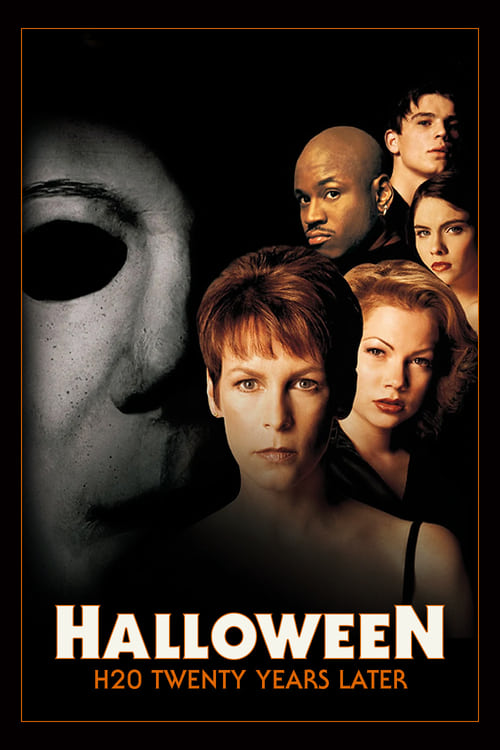
Halloween H20: 20 Years Later
Two decades after surviving a massacre on October 31, 1978, former baby sitter Laurie Strode finds herself hunted by persistent knife-wielder Michael Myers. Laurie now lives in Northern California under an assumed name, where she works as the headmistress of a private school. But it's not far enough to escape Myers, who soon discovers her whereabouts. As Halloween descends upon Laurie's peaceful community, a feeling of dread weighs upon her -- with good reason.
Despite a mid-range budget of $17.0M, Halloween H20: 20 Years Later became a commercial success, earning $75.0M worldwide—a 341% return.
2 wins & 12 nominations


Plot Structure
Story beats plotted across runtime


Narrative Arc
Emotional journey through the story's key moments
Story Circle
Blueprint 15-beat structure
Arcplot Score Breakdown
Weighted: Precision (70%) + Arc (15%) + Theme (15%)
Halloween H20: 20 Years Later (1998) exhibits meticulously timed plot construction, characteristic of Steve Miner's storytelling approach. This structural analysis examines how the film's 15-point plot structure maps to proven narrative frameworks across 1 hour and 26 minutes. With an Arcplot score of 7.5, the film showcases strong structural fundamentals.
Characters
Cast & narrative archetypes

Laurie Strode
John Tate
Michael Myers
Will Brennan
Molly Cartwell
Marion Chambers
Charlie Deveraux
Main Cast & Characters
Laurie Strode
Played by Jamie Lee Curtis
School headmistress living under assumed name, haunted by Michael Myers for 20 years, struggling with PTSD and alcoholism while protecting her son.
John Tate
Played by Josh Hartnett
Laurie's teenage son who doesn't know the full truth about his mother's past, frustrated by her overprotectiveness.
Michael Myers
Played by Chris Durand
Relentless masked killer who returns after 20 years to finish what he started with his sister Laurie.
Will Brennan
Played by Adam Arkin
School counselor and Laurie's romantic interest who tries to help her confront her trauma.
Molly Cartwell
Played by Michelle Williams
John's girlfriend, a smart and resourceful student at the private school.
Marion Chambers
Played by Nancy Stephens
Nurse who worked with Dr. Loomis, attempts to protect Laurie's location but becomes Michael's first victim.
Charlie Deveraux
Played by LL Cool J
School security guard who becomes one of Michael's victims during the Halloween night massacre.
Structural Analysis
The Status Quo at 1 minutes (1% through the runtime) establishes Opening flashback to 1978 Halloween night massacre, establishing Laurie's traumatic past and the horror she survived. Sets up her current life lived in fear and hiding.. Significantly, this early placement immediately immerses viewers in the story world.
The inciting incident occurs at 11 minutes when Michael Myers kills Nurse Marion to obtain Laurie's file, discovering her location. The past literally comes for her - the 20-year reprieve is over.. At 13% through the film, this Disruption is delayed, allowing extended setup of the story world. This beat shifts the emotional landscape, launching the protagonist into the central conflict.
The First Threshold at 22 minutes marks the transition into Act II, occurring at 25% of the runtime. This indicates the protagonist's commitment to Laurie chooses to stay at the school on Halloween night instead of fleeing. She sends most students away but remains, subconsciously ready to face her demon rather than keep running., moving from reaction to action.
At 42 minutes, the Midpoint arrives at 49% of the runtime—precisely centered, creating perfect narrative symmetry. The analysis reveals that this crucial beat Laurie discovers Michael is real and on campus (false defeat). Her worst fear confirmed - he's found her after 20 years. The hunt is on. Stakes raised: her son is in danger., fundamentally raising what's at risk. The emotional intensity shifts, dividing the narrative into clear before-and-after phases.
The Collapse moment at 62 minutes (72% through) represents the emotional nadir. Here, Michael has John cornered. Laurie believes her son is dead - the ultimate cost of her past catching up. Her running and hiding led to this: her child paying for her trauma., indicates the protagonist at their lowest point. This beat's placement in the final quarter sets up the climactic reversal.
The Second Threshold at 66 minutes initiates the final act resolution at 77% of the runtime. Laurie transforms from victim to hunter. "Michael!" she screams, calling him out. She sends others to safety and arms herself with axe - choosing to end this, not survive it. Synthesis of survival skills and maternal fury., demonstrating the transformation achieved throughout the journey.
Emotional Journey
Halloween H20: 20 Years Later's emotional architecture traces a deliberate progression across 15 carefully calibrated beats.
Narrative Framework
This structural analysis employs structural analysis methodology used to understand storytelling architecture. By mapping Halloween H20: 20 Years Later against these established plot points, we can identify how Steve Miner utilizes or subverts traditional narrative conventions. The plot point approach reveals not only adherence to structural principles but also creative choices that distinguish Halloween H20: 20 Years Later within the horror genre.
Steve Miner's Structural Approach
Among the 7 Steve Miner films analyzed on Arcplot, the average structural score is 7.1, reflecting strong command of classical structure. Halloween H20: 20 Years Later represents one of the director's most structurally precise works. For comparative analysis, explore the complete Steve Miner filmography.
Comparative Analysis
Additional horror films include Thinner, A Nightmare on Elm Street and Mary Reilly. For more Steve Miner analyses, see Friday the 13th Part 2, House and Forever Young.
Plot Points by Act
Act I
SetupStatus Quo
Opening flashback to 1978 Halloween night massacre, establishing Laurie's traumatic past and the horror she survived. Sets up her current life lived in fear and hiding.
Theme
Laurie's son John tells her "You have to let go" regarding her paranoia and drinking. The theme: confronting trauma versus running from it, and the cost of both choices.
Worldbuilding
Establishment of Laurie's new identity as Keri Tate, headmistress at private school in California. Shows her alcoholism, paranoia, strained relationship with son John, and her inability to move past October 31, 1978.
Disruption
Michael Myers kills Nurse Marion to obtain Laurie's file, discovering her location. The past literally comes for her - the 20-year reprieve is over.
Resistance
Laurie debates whether her fears are paranoia or real threat. She struggles between her instinct that Michael is coming and everyone telling her to let go. John plans to defy her and stay at school for Halloween.
Act II
ConfrontationFirst Threshold
Laurie chooses to stay at the school on Halloween night instead of fleeing. She sends most students away but remains, subconsciously ready to face her demon rather than keep running.
Mirror World
Deepening relationship with Will, the guidance counselor who represents normalcy and emotional openness. He doesn't know her secret but offers unconditional support - the life she could have if she conquers her fear.
Premise
Classic slasher "fun and games" - Michael stalks the campus while teenagers party. Tension builds as he kills security guard and closes in. Laurie experiences moments of normalcy with Will while dread mounts.
Midpoint
Laurie discovers Michael is real and on campus (false defeat). Her worst fear confirmed - he's found her after 20 years. The hunt is on. Stakes raised: her son is in danger.
Opposition
Michael systematically kills Laurie's friends while hunting John. Laurie's old survival skills resurface but she's protecting others now, not just herself. The killer closes in on her son.
Collapse
Michael has John cornered. Laurie believes her son is dead - the ultimate cost of her past catching up. Her running and hiding led to this: her child paying for her trauma.
Crisis
Laurie processes the loss and her twenty years of fear. Dark night of the soul where she confronts what running has cost her versus what fighting might have saved.
Act III
ResolutionSecond Threshold
Laurie transforms from victim to hunter. "Michael!" she screams, calling him out. She sends others to safety and arms herself with axe - choosing to end this, not survive it. Synthesis of survival skills and maternal fury.
Synthesis
Laurie hunts Michael through the school, saves her son, battles Michael repeatedly. Final confrontation ends with her trapping him and stealing coroner's van with his body inside to ensure he's dead.
Transformation
Laurie decapitates Michael, finally ending her nightmare. Her face shows peace and resolution - no longer running, no longer afraid. She faced her demon and won. The 20-year cycle of fear is broken.