
Indiana Jones and the Last Crusade
An art collector appeals to Indiana Jones to embark on a search for the Holy Grail. He learns that another archaeologist has disappeared while searching for the precious goblet, and the missing man is his own father, Dr. Henry Jones. The artifact is much harder to find than they expected, and its powers are too much for those impure of heart.
Despite a respectable budget of $48.0M, Indiana Jones and the Last Crusade became a massive hit, earning $474.2M worldwide—a remarkable 888% return.
1 Oscar. 9 wins & 24 nominations


Plot Structure
Story beats plotted across runtime


Narrative Arc
Emotional journey through the story's key moments
Story Circle
Blueprint 15-beat structure
Arcplot Score Breakdown
Weighted: Precision (70%) + Arc (15%) + Theme (15%)
Indiana Jones and the Last Crusade (1989) exemplifies deliberately positioned dramatic framework, characteristic of Steven Spielberg's storytelling approach. This structural analysis examines how the film's 15-point plot structure maps to proven narrative frameworks across 2 hours and 7 minutes. With an Arcplot score of 4.1, the film takes an unconventional approach to traditional narrative frameworks.
Characters
Cast & narrative archetypes

Indiana Jones
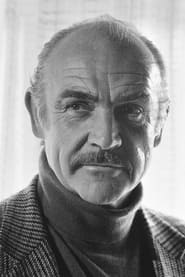
Professor Henry Jones Sr.

Elsa Schneider
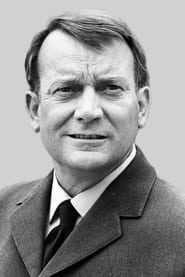
Marcus Brody

Sallah

Walter Donovan
Main Cast & Characters
Indiana Jones
Played by Harrison Ford
Adventurous archaeologist seeking the Holy Grail while navigating a complex relationship with his estranged father.
Professor Henry Jones Sr.
Played by Sean Connery
Indy's father, a medieval literature professor obsessed with finding the Holy Grail, intellectually brilliant but emotionally distant.
Elsa Schneider
Played by Alison Doody
Austrian art professor who seduces both Jones men while secretly working with the Nazis to find the Grail.
Marcus Brody
Played by Denholm Elliott
Museum curator and Indy's loyal friend, bumbling but well-meaning academic who gets captured by Nazis.
Sallah
Played by John Rhys-Davies
Indy's Egyptian friend and excavator who helps rescue Henry Sr. and provides comic relief with his large family.
Walter Donovan
Played by Julian Glover
Wealthy American businessman funding the Grail expedition who betrays Indy to side with the Nazis for immortality.
Structural Analysis
The Status Quo at 1 minutes (1% through the runtime) establishes 1912: Young Indy races on horseback with Boy Scouts, adventurous but still an innocent youth under adult supervision, establishing his early passion for archaeology and artifacts.. Of particular interest, this early placement immediately immerses viewers in the story world.
The inciting incident occurs at 13 minutes when Donovan arrives at Indy's college revealing that Dr. Henry Jones Sr. Has vanished while searching for the Holy Grail, and the Nazis are involved. Indy's estranged father is in danger.. At 11% through the film, this Disruption aligns precisely with traditional story structure. This beat shifts the emotional landscape, launching the protagonist into the central conflict.
The First Threshold at 28 minutes marks the transition into Act II, occurring at 22% of the runtime. This shows the protagonist's commitment to Indy departs for Venice to find his father, actively choosing to enter the quest despite their troubled relationship. He crosses from the academic world into the adventure world., moving from reaction to action.
At 57 minutes, the Midpoint arrives at 45% of the runtime—arriving early, accelerating into Act IIb complications. Notably, this crucial beat False victory becomes false defeat: Indy finds his father, but immediately discovers Elsa is a Nazi agent and Donovan is the villain. They're captured, the diary is stolen, and the Nazis now have everything they need. Stakes raised dramatically., fundamentally raising what's at risk. The emotional intensity shifts, dividing the narrative into clear before-and-after phases.
The Collapse moment at 85 minutes (67% through) represents the emotional nadir. Here, Henry Jones Sr. Is shot by Donovan and lies dying in the desert temple. All is lost: the only way to save him is the Grail itself, forcing Indy to brave the deadly trials. Literal "whiff of death."., reveals the protagonist at their lowest point. This beat's placement in the final quarter sets up the climactic reversal.
The Second Threshold at 91 minutes initiates the final act resolution at 72% of the runtime. Indy combines his archaeological knowledge (academic skills) with faith and humility (what his father taught him). He chooses to enter the trials: "This is the time for faith." New synthesis of intellect and belief enables the final challenge., demonstrating the transformation achieved throughout the journey.
Emotional Journey
Indiana Jones and the Last Crusade's emotional architecture traces a deliberate progression across 15 carefully calibrated beats.
Narrative Framework
This structural analysis employs systematic plot point analysis that identifies crucial turning points. By mapping Indiana Jones and the Last Crusade against these established plot points, we can identify how Steven Spielberg utilizes or subverts traditional narrative conventions. The plot point approach reveals not only adherence to structural principles but also creative choices that distinguish Indiana Jones and the Last Crusade within the action genre.
Steven Spielberg's Structural Approach
Among the 33 Steven Spielberg films analyzed on Arcplot, the average structural score is 5.8, showcasing experimental approaches to narrative form. Indiana Jones and the Last Crusade takes a more unconventional approach compared to the director's typical style. For comparative analysis, explore the complete Steven Spielberg filmography.
Comparative Analysis
Additional action films include The Bad Guys, Puss in Boots and Venom: The Last Dance. For more Steven Spielberg analyses, see The Adventures of Tintin, Close Encounters of the Third Kind and War Horse.
Plot Points by Act
Act I
SetupStatus Quo
1912: Young Indy races on horseback with Boy Scouts, adventurous but still an innocent youth under adult supervision, establishing his early passion for archaeology and artifacts.
Theme
The treasure hunter tells young Indy: "You lost today, kid. But that doesn't mean you have to like it." Theme stated: the cost of doing the right thing and the relationship between fathers and sons, duty and adventure.
Worldbuilding
Young Indy discovers the Cross of Coronado, loses it to treasure hunters, returns home to his emotionally distant father. Cut to 1938: adult Indy recovers the Cross, teaches archaeology, and lives as a professor/adventurer. His relationship with his father remains strained.
Disruption
Donovan arrives at Indy's college revealing that Dr. Henry Jones Sr. has vanished while searching for the Holy Grail, and the Nazis are involved. Indy's estranged father is in danger.
Resistance
Indy resists the quest initially, but Donovan and Marcus persuade him. Indy retrieves his father's Grail diary from Venice, debates the risk, and learns the stakes: immortality and ultimate power in Nazi hands. He prepares to leave.
Act II
ConfrontationFirst Threshold
Indy departs for Venice to find his father, actively choosing to enter the quest despite their troubled relationship. He crosses from the academic world into the adventure world.
Mirror World
Indy meets Dr. Elsa Schneider in Venice, his father's colleague and love interest. She represents both the thematic mirror (another archaeologist seeking the Grail) and the relationship subplot that will teach Indy about trust and betrayal.
Premise
Indy and Elsa explore Venice's catacombs, discover clues, survive attacks from the Brotherhood of the Cruciform Sword, escape burning petroleum, and travel to Austria where Indy infiltrates the castle and finally reunites with his father. Classic adventure "fun and games."
Midpoint
False victory becomes false defeat: Indy finds his father, but immediately discovers Elsa is a Nazi agent and Donovan is the villain. They're captured, the diary is stolen, and the Nazis now have everything they need. Stakes raised dramatically.
Opposition
Indy and Henry escape the castle, flee via motorcycle and biplane, race to Berlin to retrieve the diary, nearly get caught by Hitler himself, reunite with Sallah, and pursue the Nazis toward the Grail temple. The antagonists close in as father and son tensions persist.
Collapse
Henry Jones Sr. is shot by Donovan and lies dying in the desert temple. All is lost: the only way to save him is the Grail itself, forcing Indy to brave the deadly trials. Literal "whiff of death."
Crisis
Indy faces his dark night: his father is dying, and he must risk everything in the trials. He processes the weight of his choice and the relationship he never repaired. Emotional low point before resolve forms.
Act III
ResolutionSecond Threshold
Indy combines his archaeological knowledge (academic skills) with faith and humility (what his father taught him). He chooses to enter the trials: "This is the time for faith." New synthesis of intellect and belief enables the final challenge.
Synthesis
Indy survives the three trials (penitent man, Word of God, leap of faith), chooses the true Grail, heals his father, and reconciles with him. Elsa's greed causes her death. Indy nearly falls but his father calls him "Junior," and Indy lets the Grail go, choosing family over treasure. The temple collapses; they escape together.
Transformation
Indy, Henry, Marcus, and Sallah ride off into the sunset together. The closing image mirrors the opening: Indy on horseback, but now reconciled with his father, having learned that some things matter more than fortune and glory. The relationship is healed.