
Interstellar
Earth's future has been riddled by disasters, famines, and droughts. There is only one way to ensure mankind's survival: Interstellar travel. A newly discovered wormhole in the far reaches of our solar system allows a team of astronauts to go where no man has gone before, a planet that may have the right environment to sustain human life.
Despite a massive budget of $165.0M, Interstellar became a financial success, earning $746.6M worldwide—a 352% return. This commercial performance validated the ambitious narrative scope, illustrating how audiences embrace unconventional structure even at blockbuster scale.
1 Oscar. 44 wins & 148 nominations
Matt Zoller Seitz
"Nolan's most emotionally resonant work, a film that dares to be both intellectually ambitious and deeply human in its exploration of love across time and space."Read Full Review


Narrative Tropes
7 totalPlot Structure
Story beats plotted across runtime


Narrative Arc
Emotional journey through the story's key moments
Story Circle
Blueprint 15-beat structure
Arcplot Score Breakdown
Weighted: Precision (70%) + Arc (15%) + Theme (15%)
Interstellar (2014) exhibits strategically placed narrative design, characteristic of Christopher Nolan's storytelling approach. This structural analysis examines how the film's 15-point plot structure maps to proven narrative frameworks across 2 hours and 49 minutes. With an Arcplot score of 8.1, the film showcases strong structural fundamentals.
Characters
Cast & narrative archetypes









Donald



Doyle

Romilly

Character Screen Time
Screen time mapped to story structure
Main Cast & Characters
Cooper
Played by Matthew McConaughey
100% screen time (152 min)
A widower NASA pilot who reluctantly becomes a farmer, then joins the Endurance mission as lead pilot to save humanity.
Murph
Played by Jessica Chastain
38% screen time (57 min)
Cooper's daughter who becomes a NASA scientist. Represents the emotional heart and thematic core of the story - the love between parent and child that transcends time and space.
Dr. Amelia Brand
Played by Anne Hathaway
54% screen time (82 min)
Professor Brand's daughter and NASA scientist. Aboard the Endurance, she is responsible for planet colonization. Her love for Edmunds drives her judgment.
Professor John Brand
Played by Michael Caine
13% screen time (19 min)
High-ranking NASA scientist, Amelia's father, Cooper's former mentor, and director of the Lazarus and Endurance missions. Hides a devastating secret.
Dr. Mann
Played by Matt Damon
15% screen time (23 min)
NASA astronaut sent to an icy planet during the Lazarus program. Initially appears as a hero but reveals himself as the film's true antagonist.
TARS
Played by Bill Irwin
50% screen time (76 min)
Intelligent robot assigned to assist the Endurance crew. Provides comic relief with adjustable humor settings while being fiercely loyal.
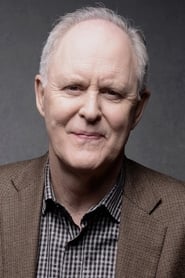
Donald
Played by John Lithgow
11% screen time (16 min)
Cooper's elderly father-in-law who helps raise Tom and Murph on the farm. Represents the old world and its values.
Tom Cooper
Played by Casey Affleck
9% screen time (13 min)
Cooper's son who takes charge of the family farm. Stubbornly clings to the land while the world dies around him.
Doyle
Played by Wes Bentley
18% screen time (27 min)
High-ranking NASA member and Endurance crew member. Dies on Miller's planet when a massive wave strikes.
Romilly
Played by David Gyasi
18% screen time (28 min)
High-ranking NASA member and Endurance crew member. Waits 23 years aboard the Endurance. Killed by Mann's trap.
CASE
Played by Josh Stewart
25% screen time (38 min)
Second robot assigned to the Endurance mission. More reserved than TARS.
Structural Analysis
The Status Quo at 1 minutes (1% through the runtime) establishes Earth is dying. Cooper is a farmer struggling with dust storms and crop failures. The world has given up on space exploration.. The analysis reveals that this early placement immediately immerses viewers in the story world.
The inciting incident occurs at 13 minutes when The "ghost" provides coordinates. Cooper and Murphy discover NASA's secret facility.. At 7% through the film, this Disruption arrives earlier than typical, accelerating the narrative momentum. This beat shifts the emotional state to -1, launching the protagonist into the central conflict.
The First Threshold at 28 minutes marks the transition into Act II, occurring at 16% of the runtime. This demonstrates the protagonist's commitment to Cooper decides to leave. The painful goodbye with Murphy, who refuses to forgive him. Launch sequence begins., moving from reaction to action. The emotional journey here reflects 1.
At 68 minutes, the Midpoint arrives at 40% of the runtime—significantly early, compressing the first half. Structural examination shows that this crucial beat Time dilation reveals 23 years have passed. Cooper watches decades of messages from his children. False victory turns to devastating loss., fundamentally raising what's at risk. The emotional state shifts to 9, dividing the narrative into clear before-and-after phases.
The Collapse moment at 103 minutes (61% through) represents the emotional nadir. Here, Mann's attempt to dock destroys the Endurance. The mission seems impossible. The whiff of death., indicates the protagonist at their lowest point with 2. This beat's placement in the final quarter sets up the climactic reversal.
The Second Threshold at 109 minutes initiates the final act resolution at 64% of the runtime. Cooper decides to sacrifice himself, using the black hole's gravity to slingshot Brand to Edmund's planet. A and B stories merge., demonstrating the transformation achieved throughout the journey. The emotional culmination reaches 2.
Emotional Journey
Interstellar's emotional architecture traces a deliberate progression from -6 to 9. The narrative's emotional pivot at the midpoint—9—divides the journey into distinct phases, with the first half building toward this moment of transformation and the second half exploring its consequences. The progression through 7 emotional states creates a balanced arc that avoids both monotony and excessive volatility.
Narrative Framework
This structural analysis employs a 15-point narrative structure framework that maps key story moments. By mapping Interstellar against these established plot points, we can identify how Christopher Nolan utilizes or subverts traditional narrative conventions. The plot point approach reveals not only adherence to structural principles but also creative choices that distinguish Interstellar within the adventure genre.
Christopher Nolan's Structural Approach
Among the 11 Christopher Nolan films analyzed on Arcplot, the average structural score is 7.3, reflecting strong command of classical structure. Interstellar represents one of the director's most structurally precise works. For comparative analysis, explore the complete Christopher Nolan filmography.
Comparative Analysis
Additional adventure films include The Black Stallion, The Bad Guys and Puss in Boots. For more Christopher Nolan analyses, see Oppenheimer, Dunkirk and The Prestige.
Plot Points by Act
Act I
SetupStatus Quo
Earth is dying. Cooper is a farmer struggling with dust storms and crop failures. The world has given up on space exploration.
Theme
Murphy asks Cooper about the ghost in her room. The theme of love transcending dimensions is planted.
Worldbuilding
We see Cooper's life as a farmer, his relationship with his kids, the parent-teacher conference revealing the dystopian education system.
Disruption
The "ghost" provides coordinates. Cooper and Murphy discover NASA's secret facility.
Resistance
Professor Brand asks Cooper to pilot the mission. Cooper wrestles with leaving his family vs. saving humanity.
Act II
ConfrontationFirst Threshold
Cooper decides to leave. The painful goodbye with Murphy, who refuses to forgive him. Launch sequence begins.
Mirror World
Cooper bonds with Amelia Brand. The relationship that will help carry the theme develops.
Premise
Journey through the wormhole. Exploring Miller's planet with massive waves. The promise of the premise - space exploration.
Midpoint
Time dilation reveals 23 years have passed. Cooper watches decades of messages from his children. False victory turns to devastating loss.
Opposition
Mann's planet. Dr. Mann betrays them. Internal and external conflicts intensify. The mission is falling apart.
Collapse
Mann's attempt to dock destroys the Endurance. The mission seems impossible. The whiff of death.
Crisis
Cooper and Brand discuss giving up vs. continuing. They're out of time and fuel. Everything seems lost.
Act III
ResolutionSecond Threshold
Cooper decides to sacrifice himself, using the black hole's gravity to slingshot Brand to Edmund's planet. A and B stories merge.
Synthesis
Cooper enters the tesseract/black hole. He realizes he is Murphy's "ghost" and sends the quantum data through time. Love transcends dimensions.
Transformation
Cooper wakes up near Saturn on Cooper Station. Reunites with elderly Murphy. She tells him to go find Brand. Full circle from opening.