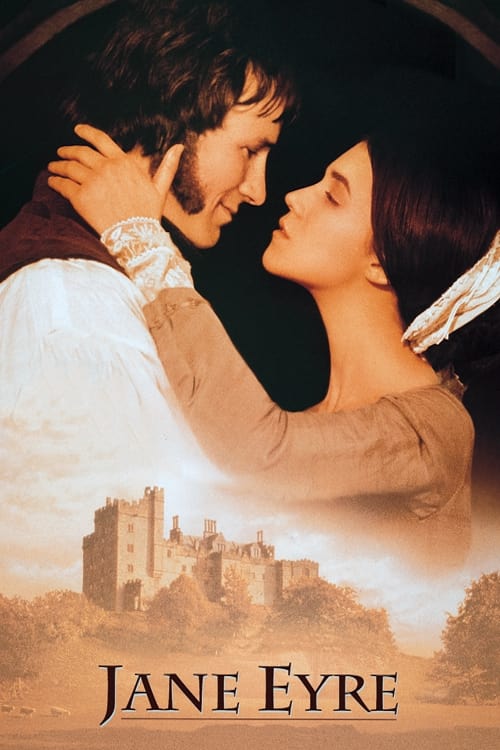
Jane Eyre
After a bleak childhood, Jane Eyre goes out into the world to become a governess. As she lives happily in her new position at Thornfield Hall, she meet the dark, cold, and abrupt master of the house, Mr. Rochester. Jane and her employer grow close in friendship and she soon finds herself falling in love with him. Happiness seems to have found Jane at last, but could Mr. Rochester's terrible secret be about to destroy it forever?
The film earned $5.2M at the global box office.


Plot Structure
Story beats plotted across runtime


Narrative Arc
Emotional journey through the story's key moments
Story Circle
Blueprint 15-beat structure
Arcplot Score Breakdown
Weighted: Precision (70%) + Arc (15%) + Theme (15%)
Jane Eyre (1996) exhibits precise narrative design, characteristic of Franco Zeffirelli's storytelling approach. This structural analysis examines how the film's 15-point plot structure maps to proven narrative frameworks across 1 hour and 52 minutes. With an Arcplot score of 6.1, the film takes an unconventional approach to traditional narrative frameworks.
Characters
Cast & narrative archetypes

Jane Eyre
Edward Rochester
Bertha Mason
St. John Rivers
Main Cast & Characters
Jane Eyre
Played by Charlotte Gainsbourg
An orphaned governess who seeks love and independence while maintaining her moral integrity and sense of self-worth.
Edward Rochester
Played by William Hurt
The brooding master of Thornfield Hall who falls in love with Jane but harbors a dark secret.
Bertha Mason
Played by Maria Schneider
Rochester's first wife, kept imprisoned in the attic due to her madness.
St. John Rivers
Played by Samuel West
A handsome but cold clergyman who offers Jane marriage without love.
Structural Analysis
The Status Quo at 1 minutes (1% through the runtime) establishes Young Jane is shown as an unloved orphan at Gateshead, reading alone and hiding from her cruel cousin John Reed. She is isolated, abused, and treated as less than human by her aunt's family.. The analysis reveals that this early placement immediately immerses viewers in the story world.
The inciting incident occurs at 13 minutes when Adult Jane advertises for a governess position and receives a response from Thornfield Hall. After eight years at Lowood, she chooses to leave and seek a new life, disrupting her stable but confined existence.. At 12% through the film, this Disruption aligns precisely with traditional story structure. This beat shifts the emotional landscape, launching the protagonist into the central conflict.
The First Threshold at 28 minutes marks the transition into Act II, occurring at 25% of the runtime. This demonstrates the protagonist's commitment to Jane encounters Rochester when his horse throws him on the moor. She helps the injured stranger without knowing his identity. This meeting sparks the central relationship and marks Jane's true entry into the world of Thornfield., moving from reaction to action.
At 56 minutes, the Midpoint arrives at 50% of the runtime—precisely centered, creating perfect narrative symmetry. The analysis reveals that this crucial beat Rochester proposes to Jane in the garden. Despite the class difference, he declares his love and she accepts. It appears Jane has achieved her deepest desire—love, belonging, and equality with a man who sees her true worth., fundamentally raising what's at risk. The emotional intensity shifts, dividing the narrative into clear before-and-after phases.
The Collapse moment at 84 minutes (75% through) represents the emotional nadir. Here, At the altar, Mason reveals Rochester is already married to Bertha Mason, who lives in Thornfield's attic. Jane's world collapses—her love, her future, her sense of Rochester's integrity all shatter. Rochester shows her the mad Bertha., indicates the protagonist at their lowest point. This beat's placement in the final quarter sets up the climactic reversal.
The Second Threshold at 90 minutes initiates the final act resolution at 80% of the runtime. Jane chooses herself over love. She flees Thornfield in the night, abandoning Rochester despite her heart's desire. She declares she must respect herself, marking her commitment to integrity over passion., demonstrating the transformation achieved throughout the journey.
Emotional Journey
Jane Eyre's emotional architecture traces a deliberate progression across 15 carefully calibrated beats.
Narrative Framework
This structural analysis employs structural analysis methodology used to understand storytelling architecture. By mapping Jane Eyre against these established plot points, we can identify how Franco Zeffirelli utilizes or subverts traditional narrative conventions. The plot point approach reveals not only adherence to structural principles but also creative choices that distinguish Jane Eyre within the drama genre.
Franco Zeffirelli's Structural Approach
Among the 6 Franco Zeffirelli films analyzed on Arcplot, the average structural score is 6.7, demonstrating varied approaches to story architecture. Jane Eyre takes a more unconventional approach compared to the director's typical style. For comparative analysis, explore the complete Franco Zeffirelli filmography.
Comparative Analysis
Additional drama films include After Thomas, South Pacific and Dirty Dancing: Havana Nights. For more Franco Zeffirelli analyses, see Tea with Mussolini, Hamlet and Romeo and Juliet.
Plot Points by Act
Act I
SetupStatus Quo
Young Jane is shown as an unloved orphan at Gateshead, reading alone and hiding from her cruel cousin John Reed. She is isolated, abused, and treated as less than human by her aunt's family.
Theme
Mrs. Reed tells Jane she has no right to live among her betters and that she must earn her place. This establishes the thematic conflict: Jane must find worth and belonging in a world that denies her both.
Worldbuilding
Jane's childhood suffering at Gateshead, punishment in the red room, and her years of hardship at Lowood School under Mr. Brocklehurst. Helen Burns befriends her and dies of consumption, teaching Jane about faith and endurance.
Disruption
Adult Jane advertises for a governess position and receives a response from Thornfield Hall. After eight years at Lowood, she chooses to leave and seek a new life, disrupting her stable but confined existence.
Resistance
Jane travels to Thornfield and is welcomed by Mrs. Fairfax. She meets her pupil Adèle and learns of the mysterious master, Mr. Rochester. She hears strange laughter from the third floor and wonders about the house's secrets.
Act II
ConfrontationFirst Threshold
Jane encounters Rochester when his horse throws him on the moor. She helps the injured stranger without knowing his identity. This meeting sparks the central relationship and marks Jane's true entry into the world of Thornfield.
Mirror World
Rochester begins engaging Jane in provocative conversation, treating her as an intellectual equal. Their unconventional relationship forms—he values her spirit and honesty rather than her station, introducing Jane to a world where she is seen.
Premise
Jane and Rochester's relationship deepens through spirited conversations and mutual respect. Rochester tests Jane's feelings through the Blanche Ingram ruse. The mysterious incidents continue—Grace Poole, the fire in Rochester's bedroom, the strange laughter.
Midpoint
Rochester proposes to Jane in the garden. Despite the class difference, he declares his love and she accepts. It appears Jane has achieved her deepest desire—love, belonging, and equality with a man who sees her true worth.
Opposition
Wedding preparations proceed, but Jane experiences disturbing omens. A strange woman tears her wedding veil. Mason arrives from the West Indies. The secrets of Thornfield close in as the wedding day approaches.
Collapse
At the altar, Mason reveals Rochester is already married to Bertha Mason, who lives in Thornfield's attic. Jane's world collapses—her love, her future, her sense of Rochester's integrity all shatter. Rochester shows her the mad Bertha.
Crisis
Rochester pleads with Jane to stay as his mistress, explaining Bertha's madness and his entrapment. Jane is torn between her love for him and her moral principles. She cannot become what society would make her—a kept woman without integrity.
Act III
ResolutionSecond Threshold
Jane chooses herself over love. She flees Thornfield in the night, abandoning Rochester despite her heart's desire. She declares she must respect herself, marking her commitment to integrity over passion.
Synthesis
Jane nearly dies on the moors and is taken in by the Rivers family. She learns she has inherited money and has cousins. St. John proposes a loveless marriage for missionary work. Jane hears Rochester's voice calling her across the moors and returns to find Thornfield burned, Bertha dead, and Rochester blind but free.
Transformation
Jane reunites with Rochester as equals—she now has independent means and he is humbled by his injuries. They marry freely, with Jane's integrity intact. The orphan who had nothing now has love, family, and self-respect on her own terms.