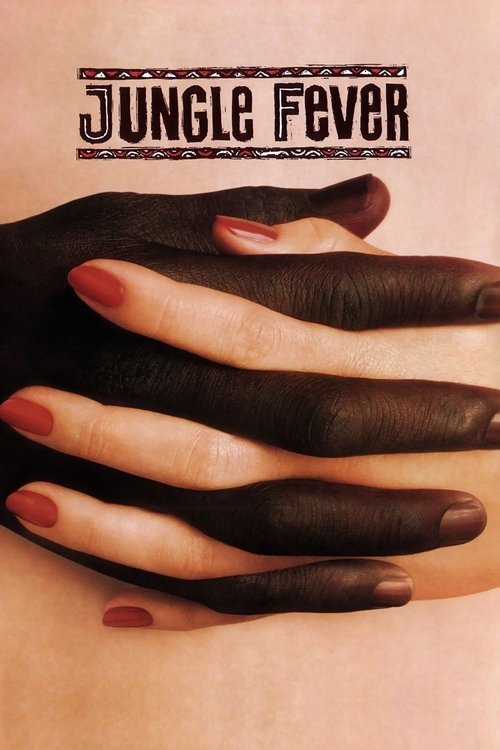
Jungle Fever
A successful and married black man contemplates having an affair with a white girl from work. He's quite rightly worried that the racial difference would make an already taboo relationship even worse.
Despite its modest budget of $14.0M, Jungle Fever became a solid performer, earning $32.5M worldwide—a 132% return.
6 wins & 11 nominations


Plot Structure
Story beats plotted across runtime


Narrative Arc
Emotional journey through the story's key moments
Story Circle
Blueprint 15-beat structure
Arcplot Score Breakdown
Weighted: Precision (70%) + Arc (15%) + Theme (15%)
Jungle Fever (1991) reveals carefully calibrated dramatic framework, characteristic of Spike Lee's storytelling approach. This structural analysis examines how the film's 15-point plot structure maps to proven narrative frameworks across 2 hours and 12 minutes. With an Arcplot score of 7.3, the film balances conventional beats with creative variation.
Characters
Cast & narrative archetypes

Flipper Purify
Angie Tucci
Drew Purify
Gator Purify
Paulie Carbone
The Good Reverend Doctor Purify
Lucinda Purify
Cyrus
Main Cast & Characters
Flipper Purify
Played by Wesley Snipes
A successful Black architect who begins an affair with his Italian-American secretary, challenging racial and social boundaries.
Angie Tucci
Played by Annabella Sciorra
An Italian-American secretary who falls in love with her Black boss, facing ostracism from her community.
Drew Purify
Played by Lonette McKee
Flipper's wife, a buyer for Bloomingdale's who is devastated by her husband's infidelity.
Gator Purify
Played by Samuel L. Jackson
Flipper's crack-addicted older brother who constantly asks family for money.
Paulie Carbone
Played by John Turturro
Angie's boyfriend who owns a neighborhood candy store and struggles with racial prejudice.
The Good Reverend Doctor Purify
Played by Ossie Davis
Flipper and Gator's strict, religious father who represents traditional moral authority.
Lucinda Purify
Played by Ruby Dee
The matriarch of the Purify family, wife of the Reverend, mother torn between her sons.
Cyrus
Played by Spike Lee
Flipper's friend and fellow architect who provides commentary on relationships and race.
Structural Analysis
The Status Quo at 2 minutes (2% through the runtime) establishes Flipper Purify, a successful Black architect, works at his firm in Manhattan. He has a stable marriage with Drew and daughter Ming, living a comfortable middle-class life in Harlem.. Of particular interest, this early placement immediately immerses viewers in the story world.
The inciting incident occurs at 14 minutes when Flipper and Angie, his new white temporary secretary, work late together at the office. Sexual tension builds, and they give in to temptation, beginning an affair that will upend both their lives.. At 11% through the film, this Disruption aligns precisely with traditional story structure. This beat shifts the emotional landscape, launching the protagonist into the central conflict.
The First Threshold at 33 minutes marks the transition into Act II, occurring at 25% of the runtime. This demonstrates the protagonist's commitment to Drew discovers the affair when Flipper confesses. She throws him out of their home. This irreversible revelation forces Flipper fully into the consequences of his choice, ending his old life and committing him to navigate the new reality., moving from reaction to action.
At 66 minutes, the Midpoint arrives at 50% of the runtime—precisely centered, creating perfect narrative symmetry. Structural examination shows that this crucial beat A pivotal confrontation occurs when Flipper and Angie face intense public scrutiny and racist attacks while together. The "fun" of their taboo romance is over; the relationship is now defined by external pressure rather than internal connection. The stakes escalate dramatically., fundamentally raising what's at risk. The emotional intensity shifts, dividing the narrative into clear before-and-after phases.
The Collapse moment at 97 minutes (73% through) represents the emotional nadir. Here, Flipper's father, a rigid preacher, shoots and kills Gator after his son's addiction destroys the family. This literal death shocks Flipper profoundly, forcing him to confront the destructive consequences of broken relationships and poor choices., illustrates the protagonist at their lowest point. This beat's placement in the final quarter sets up the climactic reversal.
The Second Threshold at 105 minutes initiates the final act resolution at 80% of the runtime. Flipper gains clarity: his affair was "jungle fever," not love. He chooses to end the relationship with Angie and attempt to rebuild his life with honesty. He synthesizes the painful lessons about race, identity, desire, and authentic connection., demonstrating the transformation achieved throughout the journey.
Emotional Journey
Jungle Fever's emotional architecture traces a deliberate progression across 15 carefully calibrated beats.
Narrative Framework
This structural analysis employs systematic plot point analysis that identifies crucial turning points. By mapping Jungle Fever against these established plot points, we can identify how Spike Lee utilizes or subverts traditional narrative conventions. The plot point approach reveals not only adherence to structural principles but also creative choices that distinguish Jungle Fever within the drama genre.
Spike Lee's Structural Approach
Among the 13 Spike Lee films analyzed on Arcplot, the average structural score is 7.0, demonstrating varied approaches to story architecture. Jungle Fever represents one of the director's most structurally precise works. For comparative analysis, explore the complete Spike Lee filmography.
Comparative Analysis
Additional drama films include After Thomas, South Pacific and Dirty Dancing: Havana Nights. For more Spike Lee analyses, see Summer of Sam, Inside Man and Clockers.
Plot Points by Act
Act I
SetupStatus Quo
Flipper Purify, a successful Black architect, works at his firm in Manhattan. He has a stable marriage with Drew and daughter Ming, living a comfortable middle-class life in Harlem.
Theme
During a conversation, characters discuss interracial relationships and societal judgment. The film's central question is posed: Can love transcend racial boundaries in a society divided by prejudice?
Worldbuilding
Establishment of contrasting worlds: Flipper's Harlem neighborhood, his architectural firm, and Angie Tucci's working-class Italian-American Bensonhurst community. Introduction of supporting characters including Flipper's wife Drew, friend Cyrus, and Angie's boyfriend Paulie.
Disruption
Flipper and Angie, his new white temporary secretary, work late together at the office. Sexual tension builds, and they give in to temptation, beginning an affair that will upend both their lives.
Resistance
Flipper struggles with guilt over the affair while continuing to see Angie secretly. Both grapple with internal conflict about crossing racial boundaries. Flipper debates whether to continue or end it, caught between desire and the knowledge that society won't accept their relationship.
Act II
ConfrontationFirst Threshold
Drew discovers the affair when Flipper confesses. She throws him out of their home. This irreversible revelation forces Flipper fully into the consequences of his choice, ending his old life and committing him to navigate the new reality.
Mirror World
Flipper moves in with Angie. Their relationship becomes the thematic mirror exploring interracial romance, societal racism, and whether their connection is genuine love or simply "jungle fever" - exotic attraction based on racial curiosity rather than real intimacy.
Premise
Flipper and Angie attempt to build a relationship while facing hostility from both communities. Angie's father beats her, Flipper's friends question his motives, and they experience public racism. Parallel story: Paulie develops feelings for a Black customer, exploring similar themes from another angle.
Midpoint
A pivotal confrontation occurs when Flipper and Angie face intense public scrutiny and racist attacks while together. The "fun" of their taboo romance is over; the relationship is now defined by external pressure rather than internal connection. The stakes escalate dramatically.
Opposition
Pressure mounts from all sides. Flipper's crack-addicted brother Gator creates family turmoil. Drew refuses reconciliation. Both Black and white communities intensify their judgment. Flipper and Angie's relationship strains as they realize their bond may be based on curiosity rather than love.
Collapse
Flipper's father, a rigid preacher, shoots and kills Gator after his son's addiction destroys the family. This literal death shocks Flipper profoundly, forcing him to confront the destructive consequences of broken relationships and poor choices.
Crisis
Flipper mourns his brother and processes the tragedy. In his dark night, he recognizes that his relationship with Angie was never built on genuine love but on racial curiosity and rebellion. He must face the truth about his motivations and what he truly wants.
Act III
ResolutionSecond Threshold
Flipper gains clarity: his affair was "jungle fever," not love. He chooses to end the relationship with Angie and attempt to rebuild his life with honesty. He synthesizes the painful lessons about race, identity, desire, and authentic connection.
Synthesis
Flipper ends the relationship with Angie, who returns to Bensonhurst. He attempts reconciliation with Drew, though the outcome remains uncertain. Both characters face their communities and the consequences of their choices with new self-awareness. Paulie also makes his choice about pursuing an interracial relationship.
Transformation
Flipper encounters a young Black crack addict offering herself for money. His anguished cry of "NO!" echoes through the street - a cry against the destruction, the loss, the societal sickness. He's transformed from naive to painfully aware, but without easy resolution. The film offers truth over comfort.