
Lawrence of Arabia
Due to his knowledge of the native Bedouin tribes, British Lieutenant T.E. Lawrence is sent to Arabia to find Prince Faisal and serve as a liaison between the Arabs and the British in their fight against the Turks. With the aid of native Sherif Ali, Lawrence rebels against the orders of his superior officer and strikes out on a daring camel journey across the harsh desert to attack a well-guarded Turkish port.
Despite a respectable budget of $15.0M, Lawrence of Arabia became a financial success, earning $70.0M worldwide—a 367% return.
7 Oscars. 31 wins & 14 nominations


Plot Structure
Story beats plotted across runtime


Narrative Arc
Emotional journey through the story's key moments
Story Circle
Blueprint 15-beat structure
Arcplot Score Breakdown
Weighted: Precision (70%) + Arc (15%) + Theme (15%)
Lawrence of Arabia (1962) showcases carefully calibrated story structure, characteristic of David Lean's storytelling approach. This structural analysis examines how the film's 15-point plot structure maps to proven narrative frameworks across 3 hours and 42 minutes. With an Arcplot score of 4.5, the film takes an unconventional approach to traditional narrative frameworks.
Characters
Cast & narrative archetypes
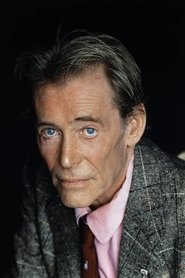
T.E. Lawrence

Prince Faisal
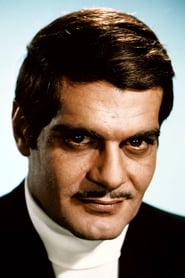
Sherif Ali ibn el Kharish
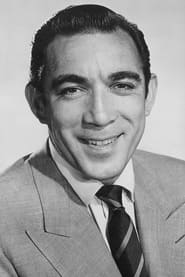
Auda abu Tayi
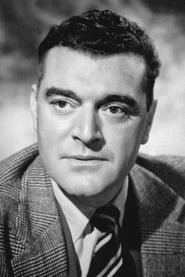
General Allenby
Mr. Dryden
Colonel Brighton
Jackson Bentley
Main Cast & Characters
T.E. Lawrence
Played by Peter O'Toole
A British lieutenant who leads Arab tribes in revolt against the Ottoman Empire, struggling with his identity and the brutality of war.
Prince Faisal
Played by Alec Guinness
Diplomatic Arab leader who unites the tribes and works with Lawrence to achieve Arab independence.
Sherif Ali ibn el Kharish
Played by Omar Sharif
Fierce Bedouin warrior who becomes Lawrence's closest ally and friend through the campaign.
Auda abu Tayi
Played by Anthony Quinn
Powerful and vain chief of the Howeitat tribe who joins Lawrence's cause for glory and gold.
General Allenby
Played by Jack Hawkins
British commanding officer in Cairo who manipulates Lawrence and the Arab revolt for British interests.
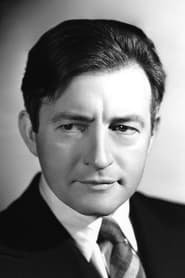
Mr. Dryden
Played by Claude Rains
British political officer who represents diplomatic interests and cynically views the Arab revolt as a strategic tool.
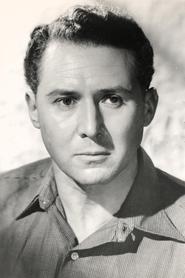
Colonel Brighton
Played by Anthony Quayle
Conventional British officer who doubts Lawrence's unorthodox methods and Arab capabilities.
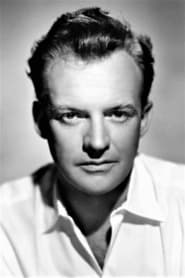
Jackson Bentley
Played by Arthur Kennedy
American journalist who documents Lawrence's exploits and helps create the legend of 'Lawrence of Arabia.'
Structural Analysis
The Status Quo at 2 minutes (1% through the runtime) establishes Lawrence dies in a motorcycle accident in 1935 England. At his memorial, dignitaries offer conflicting accounts of who he was, establishing the mystery of his identity that the film will explore.. Of particular interest, this early placement immediately immerses viewers in the story world.
The inciting incident occurs at 24 minutes when Mr. Dryden of the Arab Bureau offers Lawrence the assignment to assess Prince Faisal's revolt against the Turks. Lawrence is given the chance to escape his desk and enter the desert world he's romanticized.. At 11% through the film, this Disruption aligns precisely with traditional story structure. This beat shifts the emotional landscape, launching the protagonist into the central conflict.
The First Threshold at 50 minutes marks the transition into Act II, occurring at 22% of the runtime. This reveals the protagonist's commitment to Lawrence proposes the audacious plan to cross the Nefud Desert and take Aqaba from the landward side. Against all advice, he chooses to lead fifty men on the impossible journey. He actively commits to becoming part of the Arab revolt., moving from reaction to action.
At 100 minutes, the Midpoint arrives at 45% of the runtime—arriving early, accelerating into Act IIb complications. Of particular interest, this crucial beat The fall of Aqaba—Lawrence's greatest triumph. He has achieved the impossible and proven himself. But the false victory reveals itself: he must execute Gasim, the man he saved, to prevent tribal war. Lawrence discovers he enjoys killing, beginning his corruption., fundamentally raising what's at risk. The emotional intensity shifts, dividing the narrative into clear before-and-after phases.
The Collapse moment at 149 minutes (67% through) represents the emotional nadir. Here, After escaping Deraa, Lawrence is broken. He tells Ali, "They know... I'm just an ordinary man." The assault has destroyed his sense of invulnerability and specialness. He declares he's leaving Arabia, wanting only to be an ordinary soldier again., demonstrates the protagonist at their lowest point. This beat's placement in the final quarter sets up the climactic reversal.
The Second Threshold at 159 minutes initiates the final act resolution at 72% of the runtime. Lawrence agrees to return and lead the Arabs to Damascus, but not for noble reasons—Allenby appeals to his vanity by promoting him to Colonel. Lawrence re-enters the war corrupted, now fighting for glory and revenge rather than liberation., demonstrating the transformation achieved throughout the journey.
Emotional Journey
Lawrence of Arabia's emotional architecture traces a deliberate progression across 15 carefully calibrated beats.
Narrative Framework
This structural analysis employs systematic plot point analysis that identifies crucial turning points. By mapping Lawrence of Arabia against these established plot points, we can identify how David Lean utilizes or subverts traditional narrative conventions. The plot point approach reveals not only adherence to structural principles but also creative choices that distinguish Lawrence of Arabia within the adventure genre.
David Lean's Structural Approach
Among the 7 David Lean films analyzed on Arcplot, the average structural score is 6.1, demonstrating varied approaches to story architecture. Lawrence of Arabia takes a more unconventional approach compared to the director's typical style. For comparative analysis, explore the complete David Lean filmography.
Comparative Analysis
Additional adventure films include The Black Stallion, The Bad Guys and Puss in Boots. For more David Lean analyses, see Summertime, Ryan's Daughter and A Passage to India.
Plot Points by Act
Act I
SetupStatus Quo
Lawrence dies in a motorcycle accident in 1935 England. At his memorial, dignitaries offer conflicting accounts of who he was, establishing the mystery of his identity that the film will explore.
Theme
Colonel Brighton tells Lawrence, "You're the kind of creature I can't stand... the kind that's always trying to prove something." This establishes the film's examination of Lawrence's need for validation and the danger of his messianic self-image.
Worldbuilding
Cairo, 1916. Lawrence serves as a British Army cartographer, bored and insubordinate. We see his eccentricity, his fascination with Arabia, and his alienation from military culture. He demonstrates his unusual tolerance for pain by extinguishing a match with his fingers.
Disruption
Mr. Dryden of the Arab Bureau offers Lawrence the assignment to assess Prince Faisal's revolt against the Turks. Lawrence is given the chance to escape his desk and enter the desert world he's romanticized.
Resistance
Lawrence journeys into the desert with his Bedouin guide Tafas. He encounters Sherif Ali at a well, who kills Tafas for drinking without permission. Lawrence is horrified but continues to Faisal's camp, where he debates strategy with the Prince and British officers.
Act II
ConfrontationFirst Threshold
Lawrence proposes the audacious plan to cross the Nefud Desert and take Aqaba from the landward side. Against all advice, he chooses to lead fifty men on the impossible journey. He actively commits to becoming part of the Arab revolt.
Mirror World
Sherif Ali joins Lawrence's expedition, and the two begin their complex relationship. Ali challenges Lawrence's beliefs while recognizing his uniqueness. Their bond represents Lawrence's integration into Arab culture and his thematic counterpoint—a man at peace with his identity.
Premise
The epic crossing of the Nefud Desert. Lawrence goes back alone to rescue Gasim, earning legendary status. He unites warring tribes, dons white robes, and leads the triumphant attack on Aqaba. Lawrence becomes "El Aurens," savior of the Arabs.
Midpoint
The fall of Aqaba—Lawrence's greatest triumph. He has achieved the impossible and proven himself. But the false victory reveals itself: he must execute Gasim, the man he saved, to prevent tribal war. Lawrence discovers he enjoys killing, beginning his corruption.
Opposition
Lawrence becomes a celebrity but loses himself. He conducts guerrilla raids on Turkish trains, reveling in destruction. British and Arab political agendas diverge. Lawrence is captured in Deraa and brutally tortured and assaulted by the Turkish Bey, shattering his self-image.
Collapse
After escaping Deraa, Lawrence is broken. He tells Ali, "They know... I'm just an ordinary man." The assault has destroyed his sense of invulnerability and specialness. He declares he's leaving Arabia, wanting only to be an ordinary soldier again.
Crisis
Lawrence returns to British headquarters in Jerusalem, hollow and traumatized. He sits alone at the officers' club, unrecognized. Allenby manipulates his vanity and guilt, convincing him to return for the final push to Damascus despite Lawrence's desire to quit.
Act III
ResolutionSecond Threshold
Lawrence agrees to return and lead the Arabs to Damascus, but not for noble reasons—Allenby appeals to his vanity by promoting him to Colonel. Lawrence re-enters the war corrupted, now fighting for glory and revenge rather than liberation.
Synthesis
Lawrence leads the final campaign. At Tafas village, he orders "No prisoners" and massacres retreating Turks in a blood frenzy. The Arabs take Damascus but cannot govern it—their council collapses amid tribal disputes. Lawrence watches his dream die as the British take control.
Transformation
Lawrence leaves Damascus, his mission failed, his soul hollowed. Faisal and Allenby negotiate Arabia's future without him. Lawrence is driven away in a staff car, passed by motorcyclists—foreshadowing his death. The man who sought to be extraordinary ends up erased from history.