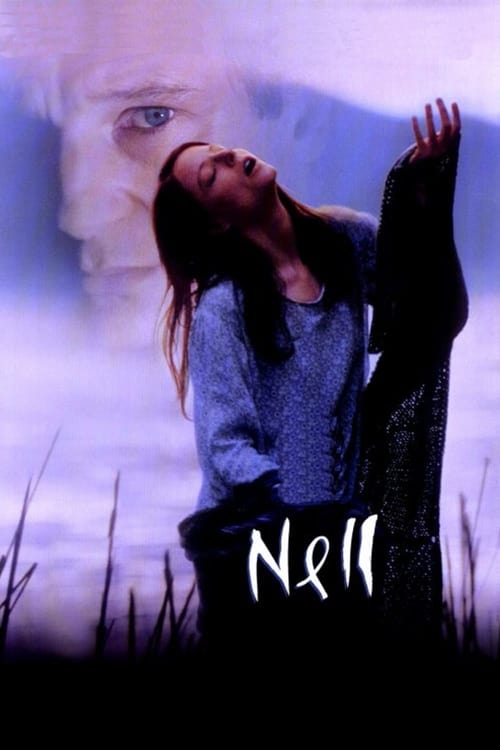
Nell
In a remote woodland cabin, a small town doctor discovers Nell — a beautiful young hermit woman with many secrets.
Despite a mid-range budget of $31.0M, Nell became a financial success, earning $106.7M worldwide—a 244% return.
Nominated for 1 Oscar. 5 wins & 7 nominations


Plot Structure
Story beats plotted across runtime


Narrative Arc
Emotional journey through the story's key moments
Story Circle
Blueprint 15-beat structure
Arcplot Score Breakdown
Weighted: Precision (70%) + Arc (15%) + Theme (15%)
Nell (1994) showcases carefully calibrated plot construction, characteristic of Michael Apted's storytelling approach. This structural analysis examines how the film's 15-point plot structure maps to proven narrative frameworks across 1 hour and 52 minutes. With an Arcplot score of 7.2, the film balances conventional beats with creative variation.
Characters
Cast & narrative archetypes

Nell Kellty
Dr. Jerome Lovell
Dr. Paula Olsen
Main Cast & Characters
Nell Kellty
Played by Jodie Foster
A young woman raised in isolation who speaks her own language and knows nothing of modern civilization.
Dr. Jerome Lovell
Played by Liam Neeson
A small-town doctor who discovers Nell and becomes her protector and advocate.
Dr. Paula Olsen
Played by Natasha Richardson
A psychology researcher who initially views Nell as a research subject but develops genuine care for her.
Structural Analysis
The Status Quo at 1 minutes (1% through the runtime) establishes Nell lives in complete isolation in her cabin in the North Carolina woods, speaking her unique language, tending to her dying mother. She exists in a primitive, innocent world untouched by modern civilization.. Structural examination shows that this early placement immediately immerses viewers in the story world.
The inciting incident occurs at 13 minutes when Nell's mother dies, leaving her completely alone. Jerome discovers Nell and her unique condition, triggering interest from the medical and psychological communities. Her protected isolation is disrupted by the arrival of outsiders.. At 12% through the film, this Disruption aligns precisely with traditional story structure. This beat shifts the emotional landscape, launching the protagonist into the central conflict.
The First Threshold at 28 minutes marks the transition into Act II, occurring at 25% of the runtime. This shows the protagonist's commitment to Jerome makes the active choice to move into the woods near Nell's cabin to observe and protect her. He commits to understanding her world on her terms rather than forcing her into his. This decision launches him into Nell's mirror world., moving from reaction to action.
At 56 minutes, the Midpoint arrives at 50% of the runtime—precisely centered, creating perfect narrative symmetry. Structural examination shows that this crucial beat Nell emerges from her shell significantly, connecting deeply with Jerome and Paula. She ventures into town for the first time, seeming to adapt. This appears to be a victory - Nell can join civilization - but it's false. The media and scientific community's interest intensifies, threatening her wellbeing., fundamentally raising what's at risk. The emotional intensity shifts, dividing the narrative into clear before-and-after phases.
The Collapse moment at 83 minutes (74% through) represents the emotional nadir. Here, Nell is forcibly taken from her home and placed in a hospital for observation and evaluation. She becomes catatonic, retreating completely inward, essentially dying spiritually. Jerome watches helplessly as the system destroys what made Nell special. All seems lost., illustrates the protagonist at their lowest point. This beat's placement in the final quarter sets up the climactic reversal.
The Second Threshold at 89 minutes initiates the final act resolution at 80% of the runtime. Jerome and Paula synthesize their understanding: Nell doesn't need to become like them; they need to defend her right to be herself. They realize the answer isn't civilization or isolation, but respect for Nell's autonomy. Armed with this insight, they prepare to fight for her in court., demonstrating the transformation achieved throughout the journey.
Emotional Journey
Nell's emotional architecture traces a deliberate progression across 15 carefully calibrated beats.
Narrative Framework
This structural analysis employs a 15-point narrative structure framework that maps key story moments. By mapping Nell against these established plot points, we can identify how Michael Apted utilizes or subverts traditional narrative conventions. The plot point approach reveals not only adherence to structural principles but also creative choices that distinguish Nell within the drama genre.
Michael Apted's Structural Approach
Among the 13 Michael Apted films analyzed on Arcplot, the average structural score is 7.1, reflecting strong command of classical structure. Nell represents one of the director's most structurally precise works. For comparative analysis, explore the complete Michael Apted filmography.
Comparative Analysis
Additional drama films include After Thomas, South Pacific and Dirty Dancing: Havana Nights. For more Michael Apted analyses, see Coal Miner's Daughter, Amazing Grace and Extreme Measures.
Plot Points by Act
Act I
SetupStatus Quo
Nell lives in complete isolation in her cabin in the North Carolina woods, speaking her unique language, tending to her dying mother. She exists in a primitive, innocent world untouched by modern civilization.
Theme
Dr. Jerome Lovell discusses the nature of civilization and wildness with the sheriff, questioning what it means to be 'civilized' versus 'free.' The theme of society's impact on natural humanity is introduced.
Worldbuilding
Establishment of Nell's isolated world, her unique language and behavior patterns, her relationship with her deceased mother. Introduction of Jerome as a small-town doctor and Paula Olsen as a psychologist from the city. The contrast between Nell's natural existence and the modern world is set up.
Disruption
Nell's mother dies, leaving her completely alone. Jerome discovers Nell and her unique condition, triggering interest from the medical and psychological communities. Her protected isolation is disrupted by the arrival of outsiders.
Resistance
Debate over Nell's fate begins. Paula wants to study her in a controlled environment; Jerome wants to protect her autonomy. Legal proceedings are initiated. Jerome begins cautious attempts to communicate with Nell, learning her language patterns. The question of what's best for Nell - civilization or freedom - is debated.
Act II
ConfrontationFirst Threshold
Jerome makes the active choice to move into the woods near Nell's cabin to observe and protect her. He commits to understanding her world on her terms rather than forcing her into his. This decision launches him into Nell's mirror world.
Mirror World
Jerome and Paula begin to connect with Nell emotionally. Nell starts to trust them, showing them her world - the lake, the forest, her rituals. A relationship develops that will teach Jerome and Paula about authenticity, connection, and what it means to be human.
Premise
The promise of the premise: watching Nell interact with Jerome and Paula, learning her language, understanding her psychology shaped by her stroke-affected twin sister and isolated upbringing. Beautiful moments of discovery, connection across worlds, and Nell beginning to trust. Jerome and Paula decode her unique speech patterns and worldview.
Midpoint
Nell emerges from her shell significantly, connecting deeply with Jerome and Paula. She ventures into town for the first time, seeming to adapt. This appears to be a victory - Nell can join civilization - but it's false. The media and scientific community's interest intensifies, threatening her wellbeing.
Opposition
Pressure mounts from the legal system, medical establishment, and media to institutionalize Nell for study. Paula's professional ambitions conflict with her growing affection for Nell. Nell is traumatized by invasive observation and the chaos of civilization. Jerome fights to protect her but loses ground against institutional forces.
Collapse
Nell is forcibly taken from her home and placed in a hospital for observation and evaluation. She becomes catatonic, retreating completely inward, essentially dying spiritually. Jerome watches helplessly as the system destroys what made Nell special. All seems lost.
Crisis
Jerome and Paula experience their dark night, realizing they've failed Nell by trying to bring her into their world. They process their complicity in her suffering and search for a way to save her. Nell remains withdrawn and unreachable in the hospital.
Act III
ResolutionSecond Threshold
Jerome and Paula synthesize their understanding: Nell doesn't need to become like them; they need to defend her right to be herself. They realize the answer isn't civilization or isolation, but respect for Nell's autonomy. Armed with this insight, they prepare to fight for her in court.
Synthesis
The courtroom finale. Nell finds her voice and speaks powerfully (in her own language, translated by Jerome) about loneliness, connection, and the human need for love that transcends civilization. Her testimony demonstrates profound wisdom. The judge rules in her favor, allowing her to return home with protections in place.
Transformation
Years later, Nell lives freely in her cabin, but now with chosen connections to Jerome, Paula, and a small community who respect her world. She has a daughter. The final image shows Nell swimming in her lake, still wild and free, but no longer isolated - transformed from alone to authentically connected on her own terms.