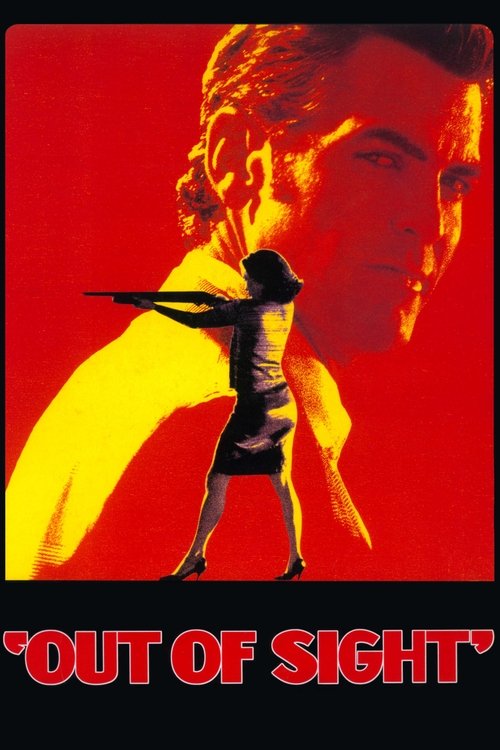
Out of Sight
Meet Jack Foley, a smooth criminal who bends the law and is determined to make one last heist. Karen Sisco is a federal marshal who chooses all the right moves … and all the wrong guys. Now they're willing to risk it all to find out if there's more between them than just the law.
Working with a respectable budget of $48.0M, the film achieved a steady performer with $77.7M in global revenue (+62% profit margin).
Nominated for 2 Oscars. 13 wins & 15 nominations


Plot Structure
Story beats plotted across runtime


Narrative Arc
Emotional journey through the story's key moments
Story Circle
Blueprint 15-beat structure
Arcplot Score Breakdown
Weighted: Precision (70%) + Arc (15%) + Theme (15%)
Out of Sight (1998) reveals strategically placed plot construction, characteristic of Steven Soderbergh's storytelling approach. This structural analysis examines how the film's 15-point plot structure maps to proven narrative frameworks across 2 hours and 3 minutes. With an Arcplot score of 6.5, the film balances conventional beats with creative variation.
Characters
Cast & narrative archetypes

Jack Foley
Karen Sisco
Buddy Bragg
Maurice Miller
Richard Ripley
Marshall Sisco
Glenn Michaels
Adele Delisi
Main Cast & Characters
Jack Foley
Played by George Clooney
A charming career bank robber who escapes from prison and falls for the federal marshal pursuing him. Intelligent and smooth, he's tired of the life but can't seem to quit.
Karen Sisco
Played by Jennifer Lopez
A tough, smart federal marshal who becomes romantically entangled with the fugitive she's hunting. She struggles between her duty and her attraction to Jack.
Buddy Bragg
Played by Ving Rhames
Jack's loyal best friend and partner in crime who helps orchestrate the prison escape. A steadfast ally who worries about Jack's judgment regarding Karen.
Maurice Miller
Played by Don Cheadle
A violent ex-convict and former boxer who plans to rob Richard Ripley. Brutal and unpredictable, he represents the darker side of the criminal world.
Richard Ripley
Played by Albert Brooks
A wealthy Wall Street criminal hiding uncut diamonds in his Detroit mansion. Arrogant and condescending, he becomes the target of multiple heist plots.
Marshall Sisco
Played by Dennis Farina
Karen's father, a retired cop turned private investigator. He loves his daughter but worries about her dangerous profession and romantic choices.
Glenn Michaels
Played by Steve Zahn
An incompetent criminal who helped Jack escape prison. Nervous and unreliable, he becomes a liability to everyone around him.
Adele Delisi
Played by Catherine Keener
Jack's ex-wife and former magician's assistant. She still cares for Jack but has moved on with her life.
Structural Analysis
The Status Quo at 1 minutes (1% through the runtime) establishes Jack Foley walks out of a Florida bank in his suit, having just robbed it. He's a career criminal, smooth and professional, but his car won't start—establishing his life of crime that's starting to fall apart.. The analysis reveals that this early placement immediately immerses viewers in the story world.
The inciting incident occurs at 15 minutes when The prison break occurs. Jack and Buddy escape, forcing federal marshal Karen Sisco into a car trunk with Jack. This disrupts both their lives: Jack becomes a fugitive with a marshal on his trail, and Karen becomes personally involved with a criminal she should be hunting.. At 12% through the film, this Disruption aligns precisely with traditional story structure. This beat shifts the emotional landscape, launching the protagonist into the central conflict.
The First Threshold at 31 minutes marks the transition into Act II, occurring at 26% of the runtime. This shows the protagonist's commitment to Jack commits to pursuing both the diamond heist and Karen. He travels to Detroit to stake out Ripley's mansion. This is his active choice to enter a new world—not just planning another robbery, but pursuing a relationship that could destroy them both., moving from reaction to action.
At 62 minutes, the Midpoint arrives at 50% of the runtime—precisely centered, creating perfect narrative symmetry. Significantly, this crucial beat Jack and Karen sleep together in the Detroit hotel scene (revealed through the non-linear timeline). It's a false victory—they've consummated their relationship, but this intimacy raises the stakes tremendously. Now both have everything to lose, and the opposing forces of law and crime will collide., fundamentally raising what's at risk. The emotional intensity shifts, dividing the narrative into clear before-and-after phases.
The Collapse moment at 93 minutes (76% through) represents the emotional nadir. Here, The heist at Ripley's mansion goes wrong. Glenn Michaels' violence spirals out of control, leading to deaths. The dream of the perfect score collapses. Jack realizes that his criminal life and his feelings for Karen cannot coexist—one must die. The "whiff of death" is both literal (violence at the mansion) and metaphorical (death of the fantasy)., illustrates the protagonist at their lowest point. This beat's placement in the final quarter sets up the climactic reversal.
The Second Threshold at 99 minutes initiates the final act resolution at 81% of the runtime. Jack makes the realization that he must face Karen directly and accept the consequences. Karen understands she must do her job, but she can do it with honor and respect for what they shared. Both gain clarity: their connection was real, but their worlds are incompatible., demonstrating the transformation achieved throughout the journey.
Emotional Journey
Out of Sight's emotional architecture traces a deliberate progression across 15 carefully calibrated beats.
Narrative Framework
This structural analysis employs proven narrative structure principles that track dramatic progression. By mapping Out of Sight against these established plot points, we can identify how Steven Soderbergh utilizes or subverts traditional narrative conventions. The plot point approach reveals not only adherence to structural principles but also creative choices that distinguish Out of Sight within the romance genre.
Steven Soderbergh's Structural Approach
Among the 17 Steven Soderbergh films analyzed on Arcplot, the average structural score is 7.1, reflecting strong command of classical structure. Out of Sight takes a more unconventional approach compared to the director's typical style. For comparative analysis, explore the complete Steven Soderbergh filmography.
Comparative Analysis
Additional romance films include South Pacific, Dirty Dancing: Havana Nights and The Evening Star. For more Steven Soderbergh analyses, see Ocean's Twelve, Ocean's Thirteen and Contagion.
Plot Points by Act
Act I
SetupStatus Quo
Jack Foley walks out of a Florida bank in his suit, having just robbed it. He's a career criminal, smooth and professional, but his car won't start—establishing his life of crime that's starting to fall apart.
Theme
In the trunk of the getaway car, Jack and Karen Sisco discuss what they do for a living. The theme emerges: Can two people on opposite sides of the law connect on a deeper level? "It's like seeing someone for the first time... like you could be passing on the street."
Worldbuilding
We learn Jack's history as a gentleman bank robber who avoids violence. In prison, he meets Buddy Bragg and learns about a potential diamond score from white-collar criminal Richard Ripley. Karen Sisco is introduced as a tough federal marshal. The prison break is planned and executed, with Jack and Karen ending up in a car trunk together during the escape.
Disruption
The prison break occurs. Jack and Buddy escape, forcing federal marshal Karen Sisco into a car trunk with Jack. This disrupts both their lives: Jack becomes a fugitive with a marshal on his trail, and Karen becomes personally involved with a criminal she should be hunting.
Resistance
Jack debates his next move while on the run. He's drawn to Karen but knows getting involved is dangerous. Karen struggles with her attraction to Jack while maintaining her professional duty. Jack reconnects with Buddy to plan the Ripley diamond heist. Both Jack and Karen try to resist their connection.
Act II
ConfrontationFirst Threshold
Jack commits to pursuing both the diamond heist and Karen. He travels to Detroit to stake out Ripley's mansion. This is his active choice to enter a new world—not just planning another robbery, but pursuing a relationship that could destroy them both.
Mirror World
Jack and Karen's relationship deepens through the film's non-linear storytelling. The famous bar scene is revealed where they meet "accidentally" and spend the evening together. This relationship becomes the mirror world that carries the theme of connection across divides.
Premise
The "fun and games" of a criminal and a federal marshal falling for each other. Jack cases Ripley's operation in Detroit. Karen investigates Jack's background and tracks him. Their chemistry builds through the intercut timeline. The heist plans develop while their romance intensifies, showing the promise of the premise: a sexy, dangerous game of cat and mouse.
Midpoint
Jack and Karen sleep together in the Detroit hotel scene (revealed through the non-linear timeline). It's a false victory—they've consummated their relationship, but this intimacy raises the stakes tremendously. Now both have everything to lose, and the opposing forces of law and crime will collide.
Opposition
The pressure intensifies on all sides. Karen's investigation closes in on Jack. Buddy's violent associate Glenn Michaels becomes increasingly dangerous and unpredictable. The heist planning becomes complicated. Karen must choose between her career and her feelings. Jack's past catches up as the opposing forces of law enforcement and criminal violence converge.
Collapse
The heist at Ripley's mansion goes wrong. Glenn Michaels' violence spirals out of control, leading to deaths. The dream of the perfect score collapses. Jack realizes that his criminal life and his feelings for Karen cannot coexist—one must die. The "whiff of death" is both literal (violence at the mansion) and metaphorical (death of the fantasy).
Crisis
Jack processes the disaster of the heist and confronts the impossibility of his situation. Karen faces her own dark night, knowing she must arrest the man she loves. Both sit in their separate darkness, understanding that their worlds cannot merge.
Act III
ResolutionSecond Threshold
Jack makes the realization that he must face Karen directly and accept the consequences. Karen understands she must do her job, but she can do it with honor and respect for what they shared. Both gain clarity: their connection was real, but their worlds are incompatible.
Synthesis
The finale brings resolution. Karen tracks Jack to Detroit. The final confrontation occurs where they face each other with full honesty. Jack doesn't run. Karen arrests him, but with mutual respect and acknowledgment of their connection. The synthesis: they remain true to who they are while honoring what they meant to each other.
Transformation
Jack in prison receives a visit from Karen. Through the glass, they share a look of deep understanding and connection. The final image mirrors the opening—Jack is still a criminal, Karen still a marshal—but both are transformed by having experienced genuine connection across an impossible divide. The look they share says everything.