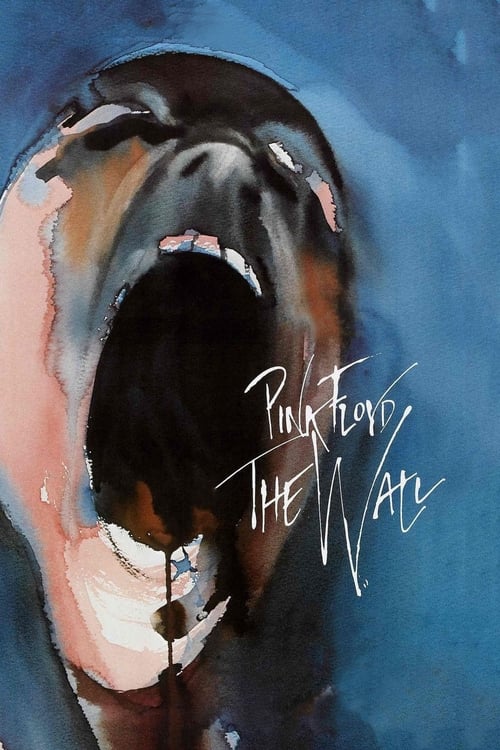
Pink Floyd: The Wall
A troubled rock star descends into madness in the midst of his physical and social isolation from everyone.
Working with a tight budget of $12.0M, the film achieved a steady performer with $22.2M in global revenue (+85% profit margin).
2 BAFTA 3 wins & 2 nominations
Plot Structure
Story beats plotted across runtime


Narrative Arc
Emotional journey through the story's key moments
Story Circle
Blueprint 15-beat structure
Arcplot Score Breakdown
Weighted: Precision (70%) + Arc (15%) + Theme (15%)
Pink Floyd: The Wall (1982) reveals precise narrative architecture, characteristic of Alan Parker's storytelling approach. This structural analysis examines how the film's 15-point plot structure maps to proven narrative frameworks across 1 hour and 35 minutes. With an Arcplot score of 7.4, the film balances conventional beats with creative variation.
Characters
Cast & narrative archetypes

Pink
Pink's Mother
Pink's Wife
The Schoolmaster
Young Pink
Pink's Father
The Groupie
The Manager
Main Cast & Characters
Pink
Played by Bob Geldof
A troubled rock star who builds a metaphorical wall around himself following a lifetime of trauma, isolation, and emotional numbness, culminating in a complete psychological breakdown.
Pink's Mother
Played by Christine Hargreaves
Pink's overprotective and smothering mother who, after losing her husband in WWII, obsessively controls her son's life and contributes to his emotional isolation.
Pink's Wife
Played by Eleanor David
Pink's unfaithful wife whose affair represents another betrayal that adds bricks to Pink's emotional wall.
The Schoolmaster
Played by Alex McAvoy
A cruel, sadistic teacher who humiliates and beats the students, representing the oppressive education system that crushes individuality and creativity.
Young Pink
Played by Kevin McKeon
Pink as a child, shown experiencing the formative traumas including his father's death, school abuse, and maternal smothering that will shape his adult isolation.
Pink's Father
Played by James Laurenson
Pink's father who died as a soldier in WWII at Anzio, appearing only in photographs and Pink's imaginings, representing the foundational loss in Pink's life.
The Groupie
Played by Jenny Wright
A young woman Pink picks up after a concert, whom he invites back to his hotel room but ultimately destroys it in a violent rage, unable to connect.
The Manager
Played by Bob Hoskins
Pink's band manager who represents the exploitative music industry that commodifies artists and cares only about keeping the show running.
Structural Analysis
The Status Quo at 1 minutes (1% through the runtime) establishes Pink Floyd performs in a hotel room as an empty, isolated rock star. His catatonic state in the hotel establishes the broken "present" from which the story will unfold in flashback.. Significantly, this early placement immediately immerses viewers in the story world.
The inciting incident occurs at 12 minutes when Pink discovers his wife's infidelity through a phone call. This betrayal in his adult life becomes the catalyst that accelerates his complete psychological retreat behind the wall.. At 13% through the film, this Disruption is delayed, allowing extended setup of the story world. This beat shifts the emotional landscape, launching the protagonist into the central conflict.
The First Threshold at 24 minutes marks the transition into Act II, occurring at 25% of the runtime. This demonstrates the protagonist's commitment to Pink makes the active choice to completely withdraw. He trashes his hotel room and begins constructing the final bricks of his psychological wall, fully committing to isolation and madness., moving from reaction to action.
At 48 minutes, the Midpoint arrives at 51% of the runtime—precisely centered, creating perfect narrative symmetry. Structural examination shows that this crucial beat Pink's manager and doctor forcibly inject him with drugs to make him functional enough to perform. This false "victory" of being made to function is actually a defeat—he's now a puppet, completely controlled., fundamentally raising what's at risk. The emotional intensity shifts, dividing the narrative into clear before-and-after phases.
The Collapse moment at 72 minutes (76% through) represents the emotional nadir. Here, Pink puts himself on trial in his own mind. All the authority figures from his life (teacher, mother, wife) testify against him. He reaches his darkest moment of complete self-condemnation and psychological death., indicates the protagonist at their lowest point. This beat's placement in the final quarter sets up the climactic reversal.
The Second Threshold at 76 minutes initiates the final act resolution at 80% of the runtime. The judge (himself) orders: "Tear down the wall!" Pink realizes that the wall protecting him is also imprisoning him. He must choose to dismantle his defenses despite the pain it will bring., demonstrating the transformation achieved throughout the journey.
Emotional Journey
Pink Floyd: The Wall's emotional architecture traces a deliberate progression across 15 carefully calibrated beats.
Narrative Framework
This structural analysis employs systematic plot point analysis that identifies crucial turning points. By mapping Pink Floyd: The Wall against these established plot points, we can identify how Alan Parker utilizes or subverts traditional narrative conventions. The plot point approach reveals not only adherence to structural principles but also creative choices that distinguish Pink Floyd: The Wall within the music genre.
Alan Parker's Structural Approach
Among the 9 Alan Parker films analyzed on Arcplot, the average structural score is 7.0, reflecting strong command of classical structure. Pink Floyd: The Wall represents one of the director's most structurally precise works. For comparative analysis, explore the complete Alan Parker filmography.
Comparative Analysis
Additional music films include South Pacific, Dirty Dancing: Havana Nights and Yesterday. For more Alan Parker analyses, see Fame, The Road to Wellville and The Life of David Gale.
Plot Points by Act
Act I
SetupStatus Quo
Pink Floyd performs in a hotel room as an empty, isolated rock star. His catatonic state in the hotel establishes the broken "present" from which the story will unfold in flashback.
Theme
The teacher humiliates young Pink in class, mocking his poetry. The theme of isolation, authoritarian control, and the crushing of individuality is established through institutional oppression.
Worldbuilding
Flashbacks establish Pink's traumatic childhood: his father's death in WWII, his overprotective mother, brutal schooling system, and early experiences of loss and control that begin building his emotional wall.
Disruption
Pink discovers his wife's infidelity through a phone call. This betrayal in his adult life becomes the catalyst that accelerates his complete psychological retreat behind the wall.
Resistance
Pink spirals deeper into isolation, mixing memories of his wife, his mother's suffocating love, and his father's absence. He debates whether to continue performing and engaging with reality or to fully retreat.
Act II
ConfrontationFirst Threshold
Pink makes the active choice to completely withdraw. He trashes his hotel room and begins constructing the final bricks of his psychological wall, fully committing to isolation and madness.
Mirror World
Pink's relationship with his groupie serves as a dark mirror to real connection. She represents the possibility of human intimacy, but Pink is too damaged to accept it, treating her as just another brick.
Premise
Pink fully inhabits his isolated world behind the wall. Animated sequences and surreal imagery explore his psychological imprisonment, childhood trauma, and the complete barriers he's constructed against feeling.
Midpoint
Pink's manager and doctor forcibly inject him with drugs to make him functional enough to perform. This false "victory" of being made to function is actually a defeat—he's now a puppet, completely controlled.
Opposition
Pink transforms into a fascist dictator figure in his delusions. His wall becomes a tool of oppression rather than protection. The increasingly violent imagery shows his complete psychological deterioration.
Collapse
Pink puts himself on trial in his own mind. All the authority figures from his life (teacher, mother, wife) testify against him. He reaches his darkest moment of complete self-condemnation and psychological death.
Crisis
Pink sits in judgment of himself, confronting the full weight of his isolation and the damage done by others and by his own choices. The trial continues as he processes his total emotional collapse.
Act III
ResolutionSecond Threshold
The judge (himself) orders: "Tear down the wall!" Pink realizes that the wall protecting him is also imprisoning him. He must choose to dismantle his defenses despite the pain it will bring.
Synthesis
The wall crumbles in spectacular fashion. Pink confronts all his traumas as the barriers fall. The fantasy collapses, the fascist imagery dissolves, and he begins the painful process of returning to reality and vulnerability.
Transformation
Children clean up debris from the ruins of the wall. The cycle may continue, but there's ambiguous hope that the next generation might break free from inherited trauma and oppression.