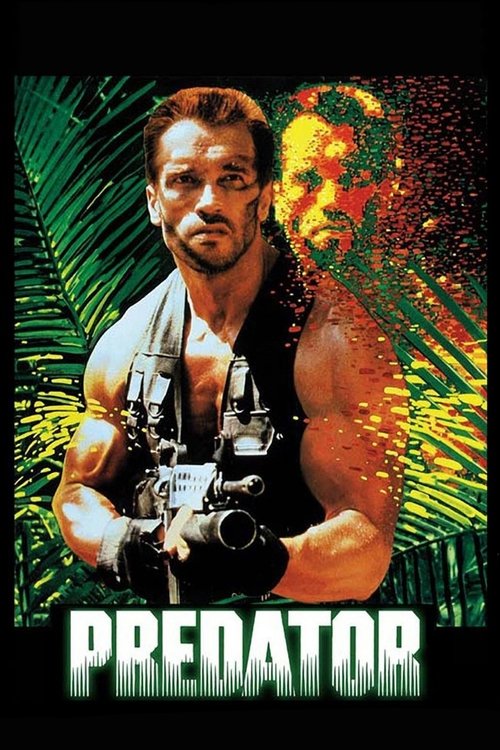
Predator
A team of elite commandos on a secret mission in a Central American jungle come to find themselves hunted by an extraterrestrial warrior.
Despite a moderate budget of $15.0M, Predator became a box office phenomenon, earning $98.3M worldwide—a remarkable 555% return.
Nominated for 1 Oscar. 3 wins & 6 nominations


Plot Structure
Story beats plotted across runtime


Narrative Arc
Emotional journey through the story's key moments
Story Circle
Blueprint 15-beat structure
Arcplot Score Breakdown
Weighted: Precision (70%) + Arc (15%) + Theme (15%)
Predator (1987) exhibits strategically placed narrative architecture, characteristic of John McTiernan's storytelling approach. This structural analysis examines how the film's 15-point plot structure maps to proven narrative frameworks across 1 hour and 47 minutes. With an Arcplot score of 6.9, the film balances conventional beats with creative variation.
Structural Analysis
The Status Quo at 1 minutes (1% through the runtime) establishes Dutch and his elite special forces team arrive in Central America, confident and equipped with advanced military technology. They represent the peak of human military capability.. Notably, this early placement immediately immerses viewers in the story world.
The inciting incident occurs at 12 minutes when The team discovers the skinned bodies of their Green Beret predecessors hanging from trees. Something far worse than guerrillas is in the jungle.. At 12% through the film, this Disruption aligns precisely with traditional story structure. This beat shifts the emotional landscape, launching the protagonist into the central conflict.
The First Threshold at 26 minutes marks the transition into Act II, occurring at 24% of the runtime. This indicates the protagonist's commitment to Hawkins is killed and dragged away by an unseen predator. The team is now being hunted. Dutch chooses to pursue the threat rather than extract, entering a deadly new game., moving from reaction to action.
At 53 minutes, the Midpoint arrives at 50% of the runtime—precisely centered, creating perfect narrative symmetry. Significantly, this crucial beat Blain is killed by the Predator's plasma weapon. The team unleashes massive firepower in response, seemingly winning. But they find only glowing green blood—no body. Their technology has failed them., fundamentally raising what's at risk. The emotional intensity shifts, dividing the narrative into clear before-and-after phases.
The Collapse moment at 78 minutes (73% through) represents the emotional nadir. Here, Billy sacrifices himself in a last stand. Dutch is alone, separated from Anna, all his teammates dead. He falls down a waterfall, wounded and stripped of his weapons and technology., indicates the protagonist at their lowest point. This beat's placement in the final quarter sets up the climactic reversal.
The Second Threshold at 85 minutes initiates the final act resolution at 80% of the runtime. Dutch realizes he can beat the Predator not with technology, but by becoming primitive—using the jungle itself. He sends Anna away and chooses to face the creature alone with crude weapons and traps., demonstrating the transformation achieved throughout the journey.
Emotional Journey
Predator's emotional architecture traces a deliberate progression across 15 carefully calibrated beats.
Narrative Framework
This structural analysis employs structural analysis methodology used to understand storytelling architecture. By mapping Predator against these established plot points, we can identify how John McTiernan utilizes or subverts traditional narrative conventions. The plot point approach reveals not only adherence to structural principles but also creative choices that distinguish Predator within the science fiction genre.
John McTiernan's Structural Approach
Among the 11 John McTiernan films analyzed on Arcplot, the average structural score is 7.0, reflecting strong command of classical structure. Predator takes a more unconventional approach compared to the director's typical style. For comparative analysis, explore the complete John McTiernan filmography.
Comparative Analysis
Additional science fiction films include The Postman, Mad Max 2 and AVP: Alien vs. Predator. For more John McTiernan analyses, see Die Hard, Die Hard: With a Vengeance and Medicine Man.
Plot Points by Act
Act I
SetupStatus Quo
Dutch and his elite special forces team arrive in Central America, confident and equipped with advanced military technology. They represent the peak of human military capability.
Theme
Dillon tells Dutch "We're a rescue team, not assassins," establishing the tension between civilized rules and savage survival that will define the story.
Worldbuilding
Introduction of Dutch's team, their camaraderie, skills, and military hardware. The jungle environment is established. They learn their mission is to rescue hostages from guerrillas.
Disruption
The team discovers the skinned bodies of their Green Beret predecessors hanging from trees. Something far worse than guerrillas is in the jungle.
Resistance
Dutch debates whether to continue the mission. They raid the guerrilla camp successfully, demonstrating their superior firepower and tactics. They take Anna as a prisoner/guide.
Act II
ConfrontationFirst Threshold
Hawkins is killed and dragged away by an unseen predator. The team is now being hunted. Dutch chooses to pursue the threat rather than extract, entering a deadly new game.
Mirror World
Anna, the guerrilla prisoner, represents the indigenous knowledge and primal survival instinct that Dutch will need. She knows the jungle and its dangers in ways the soldiers don't.
Premise
The team attempts to fight the Predator using military tactics and technology. Team members are killed one by one. They try traps, tracking, and firepower, but nothing works against the invisible enemy.
Midpoint
Blain is killed by the Predator's plasma weapon. The team unleashes massive firepower in response, seemingly winning. But they find only glowing green blood—no body. Their technology has failed them.
Opposition
The Predator systematically picks off the team. Mac, Dillon, and Poncho are killed. Dutch discovers the creature hunts by thermal vision. The squad's technology and weapons prove useless.
Collapse
Billy sacrifices himself in a last stand. Dutch is alone, separated from Anna, all his teammates dead. He falls down a waterfall, wounded and stripped of his weapons and technology.
Crisis
Dutch, covered in cold mud at the waterfall, processes the deaths of his team. In his darkest moment, he discovers the mud masks his heat signature—the Predator walked right past him.
Act III
ResolutionSecond Threshold
Dutch realizes he can beat the Predator not with technology, but by becoming primitive—using the jungle itself. He sends Anna away and chooses to face the creature alone with crude weapons and traps.
Synthesis
Dutch builds primitive traps and weapons from the jungle. He covers himself in mud and fights the Predator using guerrilla tactics, fire, and cunning. He defeats the creature with a counterweight log trap.
Transformation
Dutch, caked in mud and stripped of civilization, stares at the Predator's self-destruct device. He survives as a primal warrior, having learned that survival requires abandoning technology and embracing raw instinct.