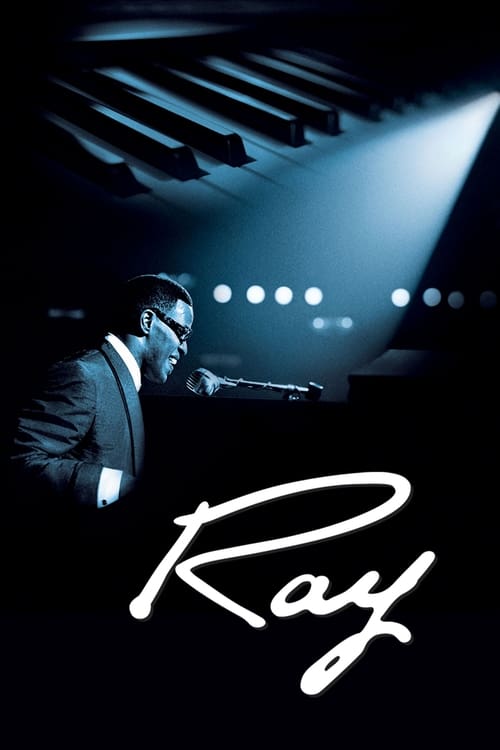
Ray
Born on a sharecropping plantation in Northern Florida, Ray Charles went blind at seven. Inspired by a fiercely independent mom who insisted he make his own way, He found his calling and his gift behind a piano keyboard. Touring across the Southern musical circuit, the soulful singer gained a reputation and then exploded with worldwide fame when he pioneered coupling gospel and country together.
Despite a moderate budget of $40.0M, Ray became a commercial success, earning $124.7M worldwide—a 212% return.
2 Oscars. 53 wins & 55 nominations


Plot Structure
Story beats plotted across runtime


Narrative Arc
Emotional journey through the story's key moments
Story Circle
Blueprint 15-beat structure
Arcplot Score Breakdown
Weighted: Precision (70%) + Arc (15%) + Theme (15%)
Ray (2004) showcases meticulously timed plot construction, characteristic of Taylor Hackford's storytelling approach. This structural analysis examines how the film's 15-point plot structure maps to proven narrative frameworks across 2 hours and 32 minutes. With an Arcplot score of 6.6, the film balances conventional beats with creative variation.
Characters
Cast & narrative archetypes

Ray Charles Robinson
Della Bea Robinson
Margie Hendricks
Aretha Robinson
Quincy Jones
Jeff Brown
Ahmet Ertegun
Joe Adams
Main Cast & Characters
Ray Charles Robinson
Played by Jamie Foxx
A musical genius who overcomes blindness, addiction, and personal demons to become one of America's greatest entertainers.
Della Bea Robinson
Played by Kerry Washington
Ray's devoted wife who struggles with his infidelities and addiction while trying to hold their family together.
Margie Hendricks
Played by Regina King
A passionate Raelette singer who becomes Ray's long-term mistress and bears his child.
Aretha Robinson
Played by Sharon Warren
Ray's strong-willed mother who instills independence and resilience in him despite his blindness.
Quincy Jones
Played by Larenz Tate
A young trumpeter and arranger who becomes Ray's friend and collaborator early in his career.
Jeff Brown
Played by Clifton Powell
Ray's loyal road manager and friend who tries to help him through his struggles with addiction.
Ahmet Ertegun
Played by Curtis Armstrong
Atlantic Records co-founder who recognizes Ray's talent and helps launch his career.
Joe Adams
Played by Harry Lennix
Ray's business manager who helps him negotiate better deals and take control of his career.
Structural Analysis
The Status Quo at 2 minutes (1% through the runtime) establishes Young Ray arrives at a bus station in Seattle, alone and blind, carrying his belongings. This establishes Ray's ordinary world as a struggling blind musician trying to make it on his own, far from home.. Significantly, this early placement immediately immerses viewers in the story world.
The inciting incident occurs at 18 minutes when Ray is offered a chance to join Lowell Fulson's touring band, giving him his first real opportunity to break out of small-time clubs. This opportunity disrupts his static Seattle existence and sets him on the path to bigger things.. At 12% through the film, this Disruption aligns precisely with traditional story structure. This beat shifts the emotional landscape, launching the protagonist into the central conflict.
The First Threshold at 38 minutes marks the transition into Act II, occurring at 25% of the runtime. This shows the protagonist's commitment to Ray chooses to combine gospel and blues despite objections, recording "I Got a Woman." This active choice to create his own revolutionary sound, mixing the sacred and secular, launches him into a new world of fame and artistic identity—crossing a line he can never uncross., moving from reaction to action.
At 76 minutes, the Midpoint arrives at 50% of the runtime—precisely centered, creating perfect narrative symmetry. Structural examination shows that this crucial beat Ray successfully negotiates an unprecedented deal with ABC-Paramount, gaining ownership of his master recordings—something unheard of for a black artist in 1959. This false victory represents the peak of his professional success, but the stakes are raised as his personal life (addiction, infidelity, family) begins to crumble. The fun and games are over., fundamentally raising what's at risk. The emotional intensity shifts, dividing the narrative into clear before-and-after phases.
The Collapse moment at 114 minutes (75% through) represents the emotional nadir. Here, Ray is arrested for heroin possession in an Indiana hotel room. Margie Hendricks dies from an overdose. This double devastation represents Ray's absolute low point—the literal death of someone he loved and his own metaphorical death as he faces prison and the loss of everything. His addiction has finally destroyed what he cared about most., reveals the protagonist at their lowest point. This beat's placement in the final quarter sets up the climactic reversal.
The Second Threshold at 122 minutes initiates the final act resolution at 80% of the runtime. In a vision, Ray's mother tells him to forgive himself for George's death and grants him permission to let go of his guilt. This revelation allows Ray to finally understand what he needs: not independence at all costs, but the ability to be vulnerable and accept help. He commits to going to rehab and getting clean., demonstrating the transformation achieved throughout the journey.
Emotional Journey
Ray's emotional architecture traces a deliberate progression across 15 carefully calibrated beats.
Narrative Framework
This structural analysis employs a 15-point narrative structure framework that maps key story moments. By mapping Ray against these established plot points, we can identify how Taylor Hackford utilizes or subverts traditional narrative conventions. The plot point approach reveals not only adherence to structural principles but also creative choices that distinguish Ray within the drama genre.
Taylor Hackford's Structural Approach
Among the 9 Taylor Hackford films analyzed on Arcplot, the average structural score is 7.1, reflecting strong command of classical structure. Ray takes a more unconventional approach compared to the director's typical style. For comparative analysis, explore the complete Taylor Hackford filmography.
Comparative Analysis
Additional drama films include After Thomas, South Pacific and Dirty Dancing: Havana Nights. For more Taylor Hackford analyses, see Dolores Claiborne, Parker and Bound by Honor.
Plot Points by Act
Act I
SetupStatus Quo
Young Ray arrives at a bus station in Seattle, alone and blind, carrying his belongings. This establishes Ray's ordinary world as a struggling blind musician trying to make it on his own, far from home.
Theme
Ray's mother's voice from a flashback tells young Ray: "You might not have your sight, but you got your independence." This theme of self-reliance versus dependency will echo throughout Ray's journey with addiction, relationships, and artistic control.
Worldbuilding
Ray navigates the 1948 Seattle music scene, playing piano in small clubs, establishing his extraordinary musical talent despite his blindness. We see his childhood trauma of watching his brother George drown, his mother's tough love teaching him independence, and his growing heroin habit. The world of segregation, touring black musicians, and Ray's exceptional ear are established.
Disruption
Ray is offered a chance to join Lowell Fulson's touring band, giving him his first real opportunity to break out of small-time clubs. This opportunity disrupts his static Seattle existence and sets him on the path to bigger things.
Resistance
Ray tours with Fulson, learning the road life and the music business. He meets Della Bea, who becomes his wife, and begins to develop his unique sound. He debates whether to imitate others or find his own voice, wrestling with his growing addiction and the pressure to conform to musical expectations.
Act II
ConfrontationFirst Threshold
Ray chooses to combine gospel and blues despite objections, recording "I Got a Woman." This active choice to create his own revolutionary sound, mixing the sacred and secular, launches him into a new world of fame and artistic identity—crossing a line he can never uncross.
Mirror World
Ray's relationship with Margie Hendricks deepens as she joins the Raelettes. Margie represents passion, artistic partnership, and truth—she challenges Ray emotionally and creatively, serving as the thematic mirror that will force him to confront his inability to truly connect with others.
Premise
The promise of the premise: watching Ray Charles become Ray Charles. He creates hit after hit, builds his empire, demands ownership of his masters from Atlantic Records, assembles his band and the Raelettes, and experiences the creative freedom and success the audience came to see. Ray explores his new world of fame, creative control, and artistic revolution.
Midpoint
Ray successfully negotiates an unprecedented deal with ABC-Paramount, gaining ownership of his master recordings—something unheard of for a black artist in 1959. This false victory represents the peak of his professional success, but the stakes are raised as his personal life (addiction, infidelity, family) begins to crumble. The fun and games are over.
Opposition
Ray's heroin addiction intensifies as his fame grows. The pressure mounts from all sides: his wife Della confronts him about his affairs, Margie demands more from him emotionally, the IRS investigates him, and he faces arrest for drug possession. His refusal to play segregated venues in Georgia brings political pressure. His demons close in as he loses control.
Collapse
Ray is arrested for heroin possession in an Indiana hotel room. Margie Hendricks dies from an overdose. This double devastation represents Ray's absolute low point—the literal death of someone he loved and his own metaphorical death as he faces prison and the loss of everything. His addiction has finally destroyed what he cared about most.
Crisis
Ray sits in despair, facing the consequences of his choices. He processes Margie's death and his own arrest. In the darkness, he confronts the ghost of his mother and the trauma of his brother George's death—the source of his guilt and his need to numb himself. This is his dark night of the soul.
Act III
ResolutionSecond Threshold
In a vision, Ray's mother tells him to forgive himself for George's death and grants him permission to let go of his guilt. This revelation allows Ray to finally understand what he needs: not independence at all costs, but the ability to be vulnerable and accept help. He commits to going to rehab and getting clean.
Synthesis
Ray enters rehab and endures painful withdrawal. He applies his lifetime of independence and strength (his old world skills) with his new understanding of vulnerability and connection (from the mirror world). He successfully gets clean, reconciles with Della, takes responsibility for his actions, and reclaims his life and career on honest terms.
Transformation
Ray performs "Georgia On My Mind" in a concert, fully present and sober, having achieved both artistic immortality and personal redemption. Unlike the opening image of a young man running from his past, we now see Ray having made peace with his demons, surrounded by people he's reconnected with authentically. He has transformed from isolated genius to whole human being.