Rent
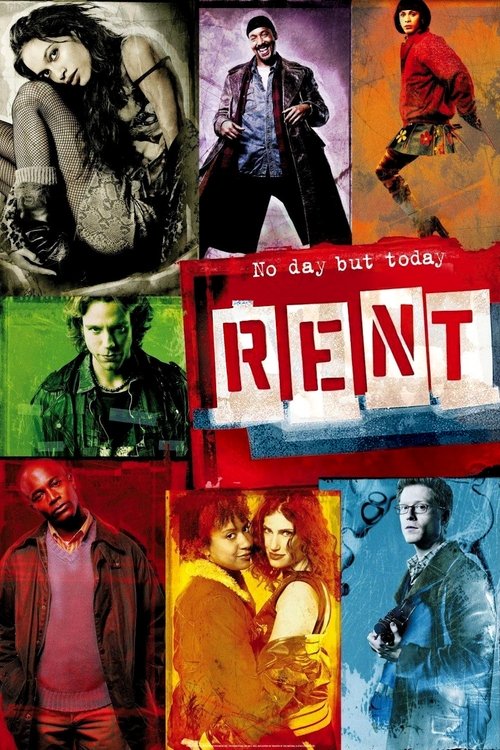
This rock opera tells the story of one year in the life of a group of bohemians struggling in late 1980s East Village, New York, USA. The film centers around Mark and Roger, two roommates. While a tragedy has made Roger numb to new experiences, Mark begins capturing their world through his attempts to make a personal movie. In the year that follows, they and their friends deal with love, loss, and working together.
The film disappointed at the box office against its mid-range budget of $40.0M, earning $31.7M globally (-21% loss).
1 win & 22 nominations


Plot Structure
Story beats plotted across runtime


Narrative Arc
Emotional journey through the story's key moments
Story Circle
Blueprint 15-beat structure
Arcplot Score Breakdown
Weighted: Precision (70%) + Arc (15%) + Theme (15%)
Rent (2005) demonstrates deliberately positioned plot construction, characteristic of Chris Columbus's storytelling approach. This structural analysis examines how the film's 15-point plot structure maps to proven narrative frameworks across 2 hours and 15 minutes. With an Arcplot score of 7.6, the film showcases strong structural fundamentals.
Characters
Cast & narrative archetypes

Mark Cohen
Roger Davis
Mimi Marquez
Tom Collins
Angel Dumott Schunard
Maureen Johnson
Joanne Jefferson
Benjamin Coffin III
Main Cast & Characters
Mark Cohen
Played by Anthony Rapp
A struggling documentary filmmaker trying to find his voice while dealing with loss and the AIDS crisis in New York's East Village.
Roger Davis
Played by Adam Pascal
A HIV-positive rock musician struggling with addiction, trauma, and writer's block after his girlfriend's suicide.
Mimi Marquez
Played by Rosario Dawson
An HIV-positive exotic dancer and drug addict who falls in love with Roger while fighting her own demons.
Tom Collins
Played by Jesse L. Martin
An anarchist philosophy professor living with AIDS who finds unexpected love with Angel.
Angel Dumott Schunard
Played by Wilson Jermaine Heredia
An HIV-positive drag queen street drummer whose joyful spirit and love inspire the group despite facing mortality.
Maureen Johnson
Played by Idina Menzel
A provocative performance artist and Mark's ex-girlfriend who brings chaos and passion wherever she goes.
Joanne Jefferson
Played by Tracie Thoms
A successful civil rights lawyer and Maureen's girlfriend who struggles to reconcile her conventional values with bohemian life.
Benjamin Coffin III
Played by Taye Diggs
The group's former roommate turned landlord and sellout who demands rent and represents corporate gentrification.
Structural Analysis
The Status Quo at 1 minutes (1% through the runtime) establishes Mark films his documentary on Christmas Eve 1989 in New York's East Village. The bohemian artists struggle with rent, poverty, and the AIDS crisis, establishing their communal life of creativity over commerce.. The analysis reveals that this early placement immediately immerses viewers in the story world.
The inciting incident occurs at 15 minutes when Benny threatens eviction and reveals his plan to evict the homeless from the lot next door to build a cyber studio, demanding Mark and Roger pay a year's rent or help clear the protest. Their safe haven is suddenly at risk.. At 11% through the film, this Disruption aligns precisely with traditional story structure. This beat shifts the emotional landscape, launching the protagonist into the central conflict.
The First Threshold at 32 minutes marks the transition into Act II, occurring at 23% of the runtime. This illustrates the protagonist's commitment to The group attends Maureen's performance "Over the Moon" and actively joins the protest against Benny's plans. They commit to their bohemian values and community, choosing resistance and art over compromise and financial security., moving from reaction to action.
At 68 minutes, the Midpoint arrives at 50% of the runtime—precisely centered, creating perfect narrative symmetry. Of particular interest, this crucial beat The group's unity fractures during "La Vie Boheme" aftermath. Benny shuts off their power. Mimi's drug addiction is revealed. Roger learns Mimi is also HIV-positive and pushes her away out of fear. The celebration gives way to harsh reality and relationship cracks., fundamentally raising what's at risk. The emotional intensity shifts, dividing the narrative into clear before-and-after phases.
The Collapse moment at 99 minutes (73% through) represents the emotional nadir. Here, Angel dies from AIDS complications. The group's beacon of love and joy is extinguished, bringing literal death and the loss of their spiritual center. The funeral represents the death of their innocence and illusion that love alone can protect them., demonstrates the protagonist at their lowest point. This beat's placement in the final quarter sets up the climactic reversal.
The Second Threshold at 108 minutes initiates the final act resolution at 80% of the runtime. Mark screens his documentary and realizes he's captured the answer: their love IS the legacy. Roger returns, having finally written his song for Mimi. They understand that choosing love despite inevitable loss is the point - "No Day But Today" means living fully now., demonstrating the transformation achieved throughout the journey.
Emotional Journey
Rent's emotional architecture traces a deliberate progression across 15 carefully calibrated beats.
Narrative Framework
This structural analysis employs structural analysis methodology used to understand storytelling architecture. By mapping Rent against these established plot points, we can identify how Chris Columbus utilizes or subverts traditional narrative conventions. The plot point approach reveals not only adherence to structural principles but also creative choices that distinguish Rent within the drama genre.
Chris Columbus's Structural Approach
Among the 15 Chris Columbus films analyzed on Arcplot, the average structural score is 6.3, demonstrating varied approaches to story architecture. Rent represents one of the director's most structurally precise works. For comparative analysis, explore the complete Chris Columbus filmography.
Comparative Analysis
Additional drama films include After Thomas, South Pacific and Dirty Dancing: Havana Nights. For more Chris Columbus analyses, see Harry Potter and the Philosopher's Stone, Nine Months and Harry Potter and the Prisoner of Azkaban.
Plot Points by Act
Act I
SetupStatus Quo
Mark films his documentary on Christmas Eve 1989 in New York's East Village. The bohemian artists struggle with rent, poverty, and the AIDS crisis, establishing their communal life of creativity over commerce.
Theme
During "Rent," the group declares "how do you measure a year in the life?" and answers "measure in love" - establishing the central theme that love and human connection matter more than material success or time remaining.
Worldbuilding
Introduction of the ensemble: Mark and Roger as struggling artists, Collins beaten on the street, Angel's drag performance, Mimi as a dancer, and Benny as their former friend turned landlord demanding rent. The world of HIV-positive bohemians choosing art over stability is established.
Disruption
Benny threatens eviction and reveals his plan to evict the homeless from the lot next door to build a cyber studio, demanding Mark and Roger pay a year's rent or help clear the protest. Their safe haven is suddenly at risk.
Resistance
The group debates how to respond to Benny's ultimatum. Angel and Collins fall in love. Mimi meets Roger, who resists connection due to his HIV status and fear of loss. Maureen prepares her protest performance. They choose solidarity over selling out.
Act II
ConfrontationFirst Threshold
The group attends Maureen's performance "Over the Moon" and actively joins the protest against Benny's plans. They commit to their bohemian values and community, choosing resistance and art over compromise and financial security.
Mirror World
Angel and Collins' loving relationship demonstrates living fully despite illness. Their joyful, authentic connection ("I'll Cover You") serves as the thematic mirror showing how love conquers fear of loss and death.
Premise
The promise of the premise: bohemian life in full bloom. The community celebrates together at the Life Cafe, relationships deepen (Roger and Mimi, Angel and Collins), creative pursuits flourish, and they live by their motto "No Day But Today" despite poverty and illness.
Midpoint
The group's unity fractures during "La Vie Boheme" aftermath. Benny shuts off their power. Mimi's drug addiction is revealed. Roger learns Mimi is also HIV-positive and pushes her away out of fear. The celebration gives way to harsh reality and relationship cracks.
Opposition
Relationships deteriorate as fear and illness close in. Roger isolates himself. Mimi's addiction worsens. Maureen and Joanne's relationship strains. Mark feels increasingly like an outsider. "Without You" captures the pain of connection threatened by loss and self-sabotage.
Collapse
Angel dies from AIDS complications. The group's beacon of love and joy is extinguished, bringing literal death and the loss of their spiritual center. The funeral represents the death of their innocence and illusion that love alone can protect them.
Crisis
In the dark aftermath of Angel's death, the group splinters. Roger flees to Santa Fe. Maureen and Joanne break up. Mimi disappears into addiction. Mark questions his role as observer rather than participant. Collins mourns alone, processing profound loss.
Act III
ResolutionSecond Threshold
Mark screens his documentary and realizes he's captured the answer: their love IS the legacy. Roger returns, having finally written his song for Mimi. They understand that choosing love despite inevitable loss is the point - "No Day But Today" means living fully now.
Synthesis
The group reunites to find the missing Mimi. Roger finds her near death and finally expresses his love through "Your Eyes," the song he could only write by accepting love despite fear of loss. Mimi revives, choosing to live. The community reforms, strengthened by grief and love.
Transformation
The group celebrates together one year later, still struggling but united. They reprise "Seasons of Love," now understanding its meaning through loss and survival. They've transformed from fearing death and loss to embracing love in whatever time remains.