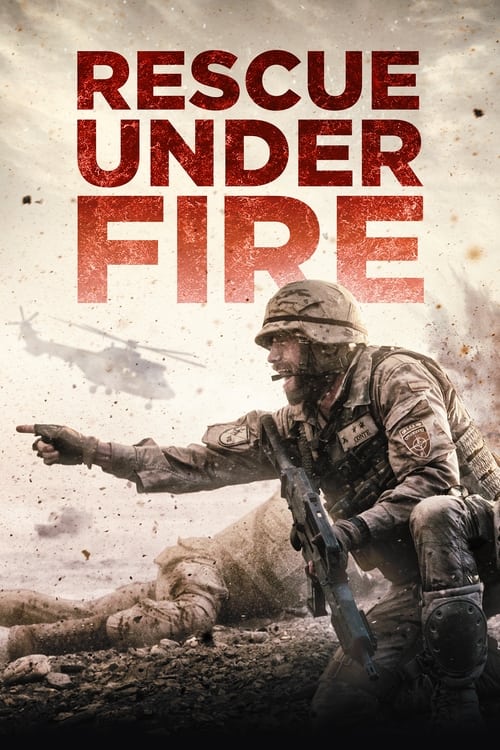
Rescue Under Fire
The crew of a medical helicopter suffers an accident when helping a joint force of USA and United Nations troops under Spanish command division in Afghanistan. The Spanish army has only one night to organize the rescue of the crew and injured, but what seems routine turns into hell once they receive the order to rescue the helicopter as well. Things only get worse when during the night a huge a concentration of Talibans begin surround them.
The film earned $5.0M at the global box office.


Plot Structure
Story beats plotted across runtime


Narrative Arc
Emotional journey through the story's key moments
Story Circle
Blueprint 15-beat structure
Arcplot Score Breakdown
Weighted: Precision (70%) + Arc (15%) + Theme (15%)
Rescue Under Fire (2017) exemplifies precise dramatic framework, characteristic of Adolfo Martínez Pérez's storytelling approach. This structural analysis examines how the film's 15-point plot structure maps to proven narrative frameworks across 1 hour and 33 minutes. With an Arcplot score of 7.4, the film balances conventional beats with creative variation.
Characters
Cast & narrative archetypes

Teniente Conte
Cabo Vargas
Alférez Soto
Soldado Ríos
Sargento Torres
Médico Vidal
Soldado Reyes
Main Cast & Characters
Teniente Conte
Played by Ariadna Gil
Mission commander leading the rescue operation in hostile Afghan territory. Decisive military leader under extreme pressure.
Cabo Vargas
Played by Raúl Mérida
Experienced soldier and team leader. Loyal and pragmatic combat veteran who guides younger soldiers.
Alférez Soto
Played by Antonio Garrido
Young officer on his first deployment. Idealistic and by-the-book, learning the reality of combat.
Soldado Ríos
Played by Roberto Álamo
Skilled marksman and team member. Calm under fire, focused on mission objectives.
Sargento Torres
Played by Raúl Prieto
Senior NCO with extensive combat experience. Mentors younger soldiers while managing tactical operations.
Médico Vidal
Played by Ingrid García-Jonsson
Military medic responsible for treating wounded under combat conditions. Compassionate but hardened by war.
Soldado Reyes
Played by Álvaro Cervantes
Young soldier facing his first real combat. Struggles with fear but proves his courage.
Structural Analysis
The Status Quo at 1 minutes (1% through the runtime) establishes Spanish military helicopter crew conducts routine patrol operations in Afghanistan. The team operates with professional efficiency in their established roles, showing the normalized danger of their deployment.. Significantly, this early placement immediately immerses viewers in the story world.
The inciting incident occurs at 12 minutes when Urgent distress call: a Spanish convoy has been ambushed in Taliban territory with casualties. The crew receives orders for an immediate MEDEVAC mission into hostile territory under fire.. At 13% through the film, this Disruption is delayed, allowing extended setup of the story world. This beat shifts the emotional landscape, launching the protagonist into the central conflict.
The First Threshold at 24 minutes marks the transition into Act II, occurring at 26% of the runtime. This reveals the protagonist's commitment to The pilot makes the definitive decision to launch the rescue mission. The helicopter lifts off, crossing from the safety of the base into hostile airspace. There is no turning back., moving from reaction to action.
At 47 minutes, the Midpoint arrives at 51% of the runtime—precisely centered, creating perfect narrative symmetry. Significantly, this crucial beat The helicopter is hit by enemy fire or encounters a critical setback. What seemed like a difficult but achievable mission becomes a fight for survival. The stakes escalate dramatically—now both the wounded soldiers and the rescue crew are in mortal danger., fundamentally raising what's at risk. The emotional intensity shifts, dividing the narrative into clear before-and-after phases.
The Collapse moment at 69 minutes (74% through) represents the emotional nadir. Here, The helicopter crashes or suffers catastrophic damage, or a crew member is killed. The mission appears to have failed completely. The "whiff of death"—literal casualties or the seeming impossibility of survival for anyone involved., reveals the protagonist at their lowest point. This beat's placement in the final quarter sets up the climactic reversal.
The Second Threshold at 75 minutes initiates the final act resolution at 81% of the runtime. New intelligence arrives, backup arrives, or the crew finds inner resolve. The pilot synthesizes their training, the mission's purpose (leaving no one behind), and their duty to each other. A plan forms for one final attempt., demonstrating the transformation achieved throughout the journey.
Emotional Journey
Rescue Under Fire's emotional architecture traces a deliberate progression across 15 carefully calibrated beats.
Narrative Framework
This structural analysis employs proven narrative structure principles that track dramatic progression. By mapping Rescue Under Fire against these established plot points, we can identify how Adolfo Martínez Pérez utilizes or subverts traditional narrative conventions. The plot point approach reveals not only adherence to structural principles but also creative choices that distinguish Rescue Under Fire within the war genre.
Comparative Analysis
Additional war films include Fury, Shenandoah and More American Graffiti.
Plot Points by Act
Act I
SetupStatus Quo
Spanish military helicopter crew conducts routine patrol operations in Afghanistan. The team operates with professional efficiency in their established roles, showing the normalized danger of their deployment.
Theme
A senior officer or fellow soldier remarks on the nature of their mission: bringing people home, no matter the cost. This establishes the film's central theme of duty, sacrifice, and leaving no one behind.
Worldbuilding
Establishment of the forward operating base, crew dynamics, and mission protocols. Introduction of key crew members including the pilot, co-pilot, and medical personnel. The routine tension of deployment life and the constant threat of Taliban attacks.
Disruption
Urgent distress call: a Spanish convoy has been ambushed in Taliban territory with casualties. The crew receives orders for an immediate MEDEVAC mission into hostile territory under fire.
Resistance
Mission briefing and preparation. The crew debates the extreme risks of flying into an active combat zone. Intelligence updates reveal the danger level. The pilot must weigh duty against crew safety, preparing equipment and coordinating with ground forces.
Act II
ConfrontationFirst Threshold
The pilot makes the definitive decision to launch the rescue mission. The helicopter lifts off, crossing from the safety of the base into hostile airspace. There is no turning back.
Mirror World
First contact with the wounded soldiers on the ground or initial encounter with the brutal reality of the combat zone. This relationship with those they're trying to save represents what their mission truly means—real lives depending on their courage.
Premise
The helicopter navigates through hostile territory under fire. Combat sequences showing the crew's skill and coordination. Attempts to reach the landing zone while evading Taliban fire. The "promise of the premise"—intense aerial combat and rescue operations.
Midpoint
The helicopter is hit by enemy fire or encounters a critical setback. What seemed like a difficult but achievable mission becomes a fight for survival. The stakes escalate dramatically—now both the wounded soldiers and the rescue crew are in mortal danger.
Opposition
Intensifying combat and mechanical failures. Taliban forces close in. The crew struggles with damaged equipment, dwindling resources, and mounting casualties. Communication breakdowns and failed rescue attempts. Each solution creates new problems.
Collapse
The helicopter crashes or suffers catastrophic damage, or a crew member is killed. The mission appears to have failed completely. The "whiff of death"—literal casualties or the seeming impossibility of survival for anyone involved.
Crisis
The crew faces their darkest moment, processing loss and apparent failure. Surrounded by enemy forces with no clear escape. The pilot confronts the possibility that his decision to launch the mission led to catastrophe.
Act III
ResolutionSecond Threshold
New intelligence arrives, backup arrives, or the crew finds inner resolve. The pilot synthesizes their training, the mission's purpose (leaving no one behind), and their duty to each other. A plan forms for one final attempt.
Synthesis
The final rescue attempt. Coordinated action between air and ground forces. The crew executes their skills under maximum pressure, working as a unified team. Climactic combat sequence leading to extraction of the wounded and escape from the hostile zone.
Transformation
The helicopter returns to base or survivors are shown in aftermath. The crew, forever changed by the mission, embodies the film's theme—they brought their people home, proving that duty and brotherhood transcend survival instinct.