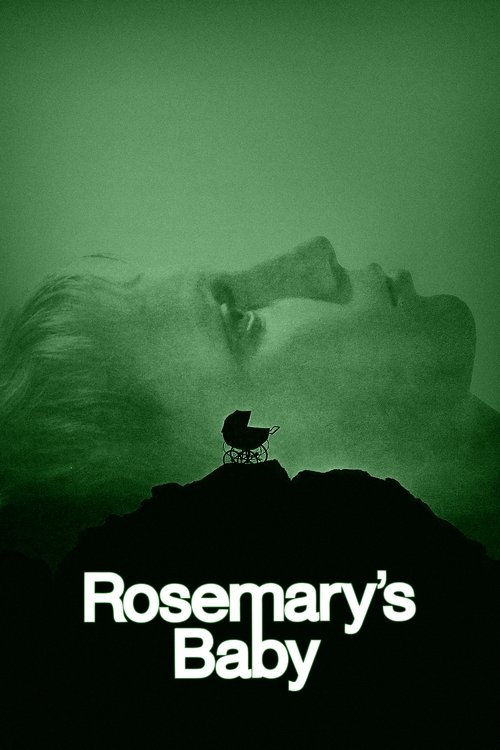
Rosemary's Baby
A young couple, Rosemary and Guy, moves into an infamous New York apartment building, known by frightening legends and mysterious events, with the purpose of starting a family.
Despite its small-scale budget of $3.2M, Rosemary's Baby became a box office phenomenon, earning $33.4M worldwide—a remarkable 944% return. The film's unconventional structure resonated with audiences, showing that strong storytelling can transcend budget limitations.
1 Oscar. 13 wins & 13 nominations


Plot Structure
Story beats plotted across runtime


Narrative Arc
Emotional journey through the story's key moments
Story Circle
Blueprint 15-beat structure
Arcplot Score Breakdown
Weighted: Precision (70%) + Arc (15%) + Theme (15%)
Rosemary's Baby (1968) exemplifies meticulously timed story structure, characteristic of Roman Polanski's storytelling approach. This structural analysis examines how the film's 15-point plot structure maps to proven narrative frameworks across 2 hours and 18 minutes. With an Arcplot score of 7.4, the film balances conventional beats with creative variation.
Characters
Cast & narrative archetypes

Rosemary Woodhouse
Guy Woodhouse
Roman Castevet
Minnie Castevet
Dr. Abraham Sapirstein
Hutch
Main Cast & Characters
Rosemary Woodhouse
Played by Mia Farrow
A young pregnant woman who suspects her neighbors are part of a satanic cult targeting her unborn child
Guy Woodhouse
Played by John Cassavetes
Rosemary's ambitious actor husband who makes a sinister pact to advance his career
Roman Castevet
Played by Sidney Blackmer
The charming but sinister elderly neighbor who leads the satanic coven
Minnie Castevet
Played by Ruth Gordon
Roman's overbearing wife who insinuates herself into Rosemary's life with false concern
Dr. Abraham Sapirstein
Played by Ralph Bellamy
The renowned obstetrician recommended by the Castevets who participates in their conspiracy
Hutch
Played by Maurice Evans
Rosemary's fatherly friend who tries to warn her about the Castevets before dying mysteriously
Structural Analysis
The Status Quo at 2 minutes (1% through the runtime) establishes Rosemary and Guy Woodhouse view the Bramford apartment, excited about their new life together. Young newlyweds eager to start fresh in New York City.. Notably, this early placement immediately immerses viewers in the story world.
The inciting incident occurs at 16 minutes when Terry, the young woman the Castevets took in, jumps to her death from the apartment window. First death and introduction of sinister undercurrents.. At 12% through the film, this Disruption aligns precisely with traditional story structure. This beat shifts the emotional landscape, launching the protagonist into the central conflict.
The First Threshold at 35 minutes marks the transition into Act II, occurring at 25% of the runtime. This indicates the protagonist's commitment to Rosemary and Guy decide to conceive a child on the night chosen by Roman (August 4th/5th). Rosemary enters the world of pregnancy and vulnerability, crossing into the conspiracy's trap., moving from reaction to action.
At 70 minutes, the Midpoint arrives at 50% of the runtime—precisely centered, creating perfect narrative symmetry. Notably, this crucial beat Rosemary's pain suddenly stops and she feels the baby kick for the first time. False victory - she believes everything is finally normal, but the coven's plan is actually proceeding perfectly., fundamentally raising what's at risk. The emotional intensity shifts, dividing the narrative into clear before-and-after phases.
The Collapse moment at 103 minutes (75% through) represents the emotional nadir. Here, Hutch dies after trying to warn Rosemary, and Dr. Hill betrays her by calling Guy and Sapirstein. Rosemary is completely alone with no one to trust. Her last hope for rescue dies with Hutch., reveals the protagonist at their lowest point. This beat's placement in the final quarter sets up the climactic reversal.
The Second Threshold at 110 minutes initiates the final act resolution at 80% of the runtime. Rosemary hears a baby crying and realizes her child is alive. She finds the hidden door to the Castevets' apartment and chooses to confront the truth, armed with a knife., demonstrating the transformation achieved throughout the journey.
Emotional Journey
Rosemary's Baby's emotional architecture traces a deliberate progression across 15 carefully calibrated beats.
Narrative Framework
This structural analysis employs systematic plot point analysis that identifies crucial turning points. By mapping Rosemary's Baby against these established plot points, we can identify how Roman Polanski utilizes or subverts traditional narrative conventions. The plot point approach reveals not only adherence to structural principles but also creative choices that distinguish Rosemary's Baby within the drama genre.
Roman Polanski's Structural Approach
Among the 11 Roman Polanski films analyzed on Arcplot, the average structural score is 6.5, demonstrating varied approaches to story architecture. Rosemary's Baby represents one of the director's most structurally precise works. For comparative analysis, explore the complete Roman Polanski filmography.
Comparative Analysis
Additional drama films include After Thomas, South Pacific and Dirty Dancing: Havana Nights. For more Roman Polanski analyses, see Frantic, Tess and Carnage.
Plot Points by Act
Act I
SetupStatus Quo
Rosemary and Guy Woodhouse view the Bramford apartment, excited about their new life together. Young newlyweds eager to start fresh in New York City.
Theme
Hutch warns Rosemary about the Bramford's dark history: "The Bramford had a rather unpleasant reputation." Theme of ignoring warnings and trusting the wrong people.
Worldbuilding
Establishing the Woodhouses' move-in, meeting eccentric neighbors Roman and Minnie Castevet, Rosemary's friendship with Terry, the building's gothic atmosphere, and Guy's struggling acting career.
Disruption
Terry, the young woman the Castevets took in, jumps to her death from the apartment window. First death and introduction of sinister undercurrents.
Resistance
The Castevets aggressively befriend Rosemary and Guy. Guy's career suddenly improves after spending time with Roman. Rosemary receives the tannis root charm from Minnie. Guy resists having a baby, then suddenly agrees.
Act II
ConfrontationFirst Threshold
Rosemary and Guy decide to conceive a child on the night chosen by Roman (August 4th/5th). Rosemary enters the world of pregnancy and vulnerability, crossing into the conspiracy's trap.
Mirror World
The nightmare conception sequence where Rosemary is drugged and ritually raped while experiencing hellish visions. Her relationship with her own body and agency becomes the thematic mirror.
Premise
Rosemary's pregnancy unfolds with strange symptoms, constant pain, and the Castevets' intrusive involvement. Dr. Sapirstein prescribes unusual treatments. Rosemary becomes increasingly isolated and physically deteriorating.
Midpoint
Rosemary's pain suddenly stops and she feels the baby kick for the first time. False victory - she believes everything is finally normal, but the coven's plan is actually proceeding perfectly.
Opposition
Rosemary begins piecing together the conspiracy. She discovers the coven connection, Roman Castevet's true identity as Steven Marcato's son, and realizes everyone around her is involved. Her paranoia intensifies as she tries to find help.
Collapse
Hutch dies after trying to warn Rosemary, and Dr. Hill betrays her by calling Guy and Sapirstein. Rosemary is completely alone with no one to trust. Her last hope for rescue dies with Hutch.
Crisis
Rosemary is brought home, sedated, and goes into labor. She is completely powerless as they take her baby away, told it died. Her darkest night of grief and helplessness.
Act III
ResolutionSecond Threshold
Rosemary hears a baby crying and realizes her child is alive. She finds the hidden door to the Castevets' apartment and chooses to confront the truth, armed with a knife.
Synthesis
Rosemary discovers the coven worshipping her baby - the son of Satan. Roman reveals the full conspiracy. Rosemary confronts the horrific truth and must decide whether to accept or reject her child.
Transformation
Rosemary rocks the cradle of her demonic child, accepting her role as mother despite the horror. She has transformed from innocent newlywed to complicit mother of the Antichrist, choosing maternal instinct over escape.