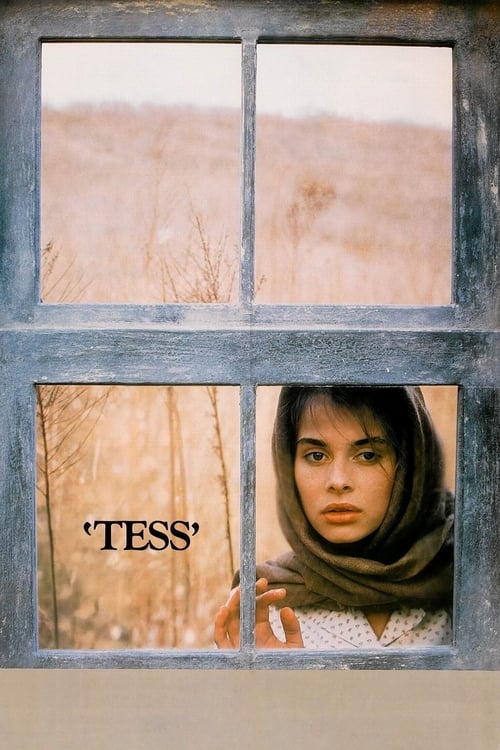
Tess
A strong-willed peasant girl is sent by her father to the estate of some local aristocrats to capitalize on a rumor that their families are from the same line, but is left traumatised from her experiences.
Working with a limited budget of $12.0M, the film achieved a modest success with $20.1M in global revenue (+68% profit margin).
3 Oscars. 16 wins & 17 nominations


Plot Structure
Story beats plotted across runtime


Narrative Arc
Emotional journey through the story's key moments
Story Circle
Blueprint 15-beat structure
Arcplot Score Breakdown
Weighted: Precision (70%) + Arc (15%) + Theme (15%)
Tess (1979) exemplifies carefully calibrated narrative design, characteristic of Roman Polanski's storytelling approach. This structural analysis examines how the film's 15-point plot structure maps to proven narrative frameworks across 2 hours and 52 minutes. With an Arcplot score of 7.1, the film balances conventional beats with creative variation.
Characters
Cast & narrative archetypes

Tess Durbeyfield
Alec d'Urberville
Angel Clare
Joan Durbeyfield
John Durbeyfield
Main Cast & Characters
Tess Durbeyfield
Played by Nastassja Kinski
A pure-hearted peasant girl whose discovery of aristocratic ancestry leads to tragedy through exploitation and societal judgment
Alec d'Urberville
Played by Leigh Lawson
A wealthy libertine who claims false aristocratic ties and seduces Tess, embodying predatory privilege and moral corruption
Angel Clare
Played by Peter Firth
An idealistic gentleman farmer who loves Tess but cannot forgive her past, representing rigid Victorian morality
Joan Durbeyfield
Played by Rosemary Martin
Tess's mother, a simple woman who pushes her daughter toward the d'Urbervilles seeking social advancement
John Durbeyfield
Played by John Collin
Tess's alcoholic father who discovers his supposed noble ancestry, setting the tragic events in motion
Structural Analysis
The Status Quo at 3 minutes (2% through the runtime) establishes Tess Durbeyfield lives as a simple peasant girl in rural England, walking home with her friends after a May Day celebration, innocent and unaware of the fate that awaits her.. Of particular interest, this early placement immediately immerses viewers in the story world.
The inciting incident occurs at 19 minutes when The family horse is killed in an accident Tess blames herself for, forcing the family into desperate poverty. Tess must seek help from the wealthy d'Urberville family.. At 11% through the film, this Disruption aligns precisely with traditional story structure. This beat shifts the emotional landscape, launching the protagonist into the central conflict.
The First Threshold at 44 minutes marks the transition into Act II, occurring at 26% of the runtime. This indicates the protagonist's commitment to Tess chooses to stay at the d'Urberville estate as a poultry keeper, entering Alec's world despite sensing danger, driven by family obligation., moving from reaction to action.
At 86 minutes, the Midpoint arrives at 50% of the runtime—precisely centered, creating perfect narrative symmetry. Significantly, this crucial beat Tess returns home pregnant and unwed, having left Alec. She gives birth to a sickly baby she names Sorrow, who dies in infancy. Tess baptizes the dying child herself in a devastating scene., fundamentally raising what's at risk. The emotional intensity shifts, dividing the narrative into clear before-and-after phases.
The Collapse moment at 129 minutes (75% through) represents the emotional nadir. Here, Angel abandons Tess on their wedding night and leaves for Brazil, refusing to forgive her past despite her innocence as a victim. Her hope for redemption through love dies., illustrates the protagonist at their lowest point. This beat's placement in the final quarter sets up the climactic reversal.
The Second Threshold at 138 minutes initiates the final act resolution at 80% of the runtime. Desperate to save her family from starvation and with no word from Angel, Tess becomes Alec's mistress, sacrificing herself for her family's survival., demonstrating the transformation achieved throughout the journey.
Emotional Journey
Tess's emotional architecture traces a deliberate progression across 15 carefully calibrated beats.
Narrative Framework
This structural analysis employs structural analysis methodology used to understand storytelling architecture. By mapping Tess against these established plot points, we can identify how Roman Polanski utilizes or subverts traditional narrative conventions. The plot point approach reveals not only adherence to structural principles but also creative choices that distinguish Tess within the drama genre.
Roman Polanski's Structural Approach
Among the 11 Roman Polanski films analyzed on Arcplot, the average structural score is 6.5, demonstrating varied approaches to story architecture. Tess represents one of the director's most structurally precise works. For comparative analysis, explore the complete Roman Polanski filmography.
Comparative Analysis
Additional drama films include After Thomas, South Pacific and Dirty Dancing: Havana Nights. For more Roman Polanski analyses, see Frantic, Carnage and The Tenant.
Plot Points by Act
Act I
SetupStatus Quo
Tess Durbeyfield lives as a simple peasant girl in rural England, walking home with her friends after a May Day celebration, innocent and unaware of the fate that awaits her.
Theme
Tess's father John discovers the family are descendants of the noble d'Urbervilles, declaring "We're as good as they are." The theme of class, fate, and social determinism is established.
Worldbuilding
Establishment of Tess's poverty-stricken family, her father's drunkenness, the family's desperate circumstances, and the accidental killing of the family horse Prince, which creates financial crisis.
Disruption
The family horse is killed in an accident Tess blames herself for, forcing the family into desperate poverty. Tess must seek help from the wealthy d'Urberville family.
Resistance
Tess reluctantly agrees to visit the d'Urbervilles. She meets Alec d'Urberville who is immediately attracted to her. Despite misgivings, economic necessity forces her to accept work on the d'Urberville estate.
Act II
ConfrontationFirst Threshold
Tess chooses to stay at the d'Urberville estate as a poultry keeper, entering Alec's world despite sensing danger, driven by family obligation.
Mirror World
Alec pursues Tess aggressively, representing the destructive force of male privilege and class power that will destroy her innocence.
Premise
Tess works on the estate while resisting Alec's advances. After a village dance, Alec gives her a ride home through the woods where he seduces or rapes her in the darkness.
Midpoint
Tess returns home pregnant and unwed, having left Alec. She gives birth to a sickly baby she names Sorrow, who dies in infancy. Tess baptizes the dying child herself in a devastating scene.
Opposition
Tess finds work as a dairymaid at Talbothays farm and meets Angel Clare, an idealistic clergyman's son. They fall in love and marry, but on their wedding night, after Angel confesses past sins, Tess reveals her history with Alec. Angel rejects her cruelly despite his liberal beliefs.
Collapse
Angel abandons Tess on their wedding night and leaves for Brazil, refusing to forgive her past despite her innocence as a victim. Her hope for redemption through love dies.
Crisis
Tess endures brutal labor in the fields, poverty, and the death of her father. Alec reappears and pursues her again, offering financial help for her destitute family.
Act III
ResolutionSecond Threshold
Desperate to save her family from starvation and with no word from Angel, Tess becomes Alec's mistress, sacrificing herself for her family's survival.
Synthesis
Angel returns from Brazil, repentant and seeking Tess. Finding her with Alec, he leaves. Tess, enraged at Alec for destroying her last chance at happiness, murders him. She flees with Angel, sharing brief days of freedom before being captured at Stonehenge.
Transformation
Tess is executed by hanging as Angel watches from a distant hill. The black flag rises, signaling her death. A pure woman destroyed by society's cruel judgments and the inexorable force of fate.