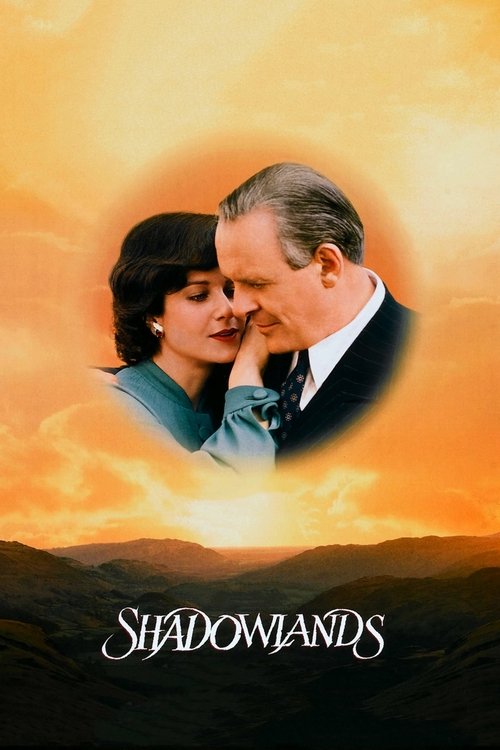
Shadowlands
C.S. Lewis, a world-renowned writer and professor, leads a passionless life until he meets spirited poet Joy Gresham.
Working with a moderate budget of $22.0M, the film achieved a respectable showing with $25.8M in global revenue (+17% profit margin).
Nominated for 2 Oscars. 7 wins & 14 nominations
Plot Structure
Story beats plotted across runtime


Narrative Arc
Emotional journey through the story's key moments
Story Circle
Blueprint 15-beat structure
Arcplot Score Breakdown
Weighted: Precision (70%) + Arc (15%) + Theme (15%)
Shadowlands (1993) reveals deliberately positioned narrative design, characteristic of Richard Attenborough's storytelling approach. This structural analysis examines how the film's 15-point plot structure maps to proven narrative frameworks across 2 hours and 11 minutes. With an Arcplot score of 7.5, the film showcases strong structural fundamentals.
Characters
Cast & narrative archetypes

C.S. Lewis
Joy Davidman Gresham
Warnie Lewis
Douglas Gresham
Main Cast & Characters
C.S. Lewis
Played by Anthony Hopkins
A reserved Oxford professor and confirmed bachelor who falls in love with an American poet, challenging his intellectual understanding of pain and joy.
Joy Davidman Gresham
Played by Debra Winger
A brash American poet and divorcee who pursues Lewis intellectually and romantically, bringing passion and authenticity into his sheltered life.
Warnie Lewis
Played by Edward Hardwicke
C.S. Lewis's devoted brother and companion, a gentle alcoholic who supports Jack through his emotional journey.
Douglas Gresham
Played by Joseph Mazzello
Joy's young son who forms a deep bond with Lewis, particularly through their shared love of literature and imagination.
Structural Analysis
The Status Quo at 2 minutes (2% through the runtime) establishes C.S. Lewis lectures at Oxford about pain and suffering from a safe, intellectual distance. He lives a comfortable, controlled bachelor life surrounded by books and academic colleagues, emotionally detached despite his theological expertise on love.. The analysis reveals that this early placement immediately immerses viewers in the story world.
The inciting incident occurs at 14 minutes when Joy Gresham arrives in person from America. She is direct, challenging, and American - everything that disrupts Lewis's orderly English academic world. Her arrival introduces vitality, honesty, and emotional directness into his carefully controlled life.. At 11% through the film, this Disruption aligns precisely with traditional story structure. This beat shifts the emotional landscape, launching the protagonist into the central conflict.
The First Threshold at 33 minutes marks the transition into Act II, occurring at 25% of the runtime. This illustrates the protagonist's commitment to Lewis agrees to marry Joy in a civil ceremony for immigration purposes. Though he frames it as a practical arrangement, this choice opens the door to relationship. He actively chooses to bind himself to her legally, even while denying emotional commitment., moving from reaction to action.
At 66 minutes, the Midpoint arrives at 50% of the runtime—precisely centered, creating perfect narrative symmetry. Notably, this crucial beat Joy collapses in pain. She is diagnosed with cancer - terminal bone cancer. The stakes shift entirely. What seemed like a safe friendship with a marriage on paper suddenly confronts Lewis with the real possibility of devastating loss. False victory (companionship without risk) becomes real danger., fundamentally raising what's at risk. The emotional intensity shifts, dividing the narrative into clear before-and-after phases.
The Collapse moment at 99 minutes (76% through) represents the emotional nadir. Here, Joy dies. The literal "whiff of death" - Lewis experiences the very pain he once lectured about abstractly. The woman he finally allowed himself to love is gone. His intellectual constructs about suffering are shattered by the reality of grief., demonstrates the protagonist at their lowest point. This beat's placement in the final quarter sets up the climactic reversal.
The Second Threshold at 107 minutes initiates the final act resolution at 82% of the runtime. Lewis synthesizes his intellectual understanding with his lived experience. He realizes that Joy's love transformed him permanently - that experiencing love and pain together made him fully human. He chooses to embrace the grief as proof of the love, rather than regretting the vulnerability., demonstrating the transformation achieved throughout the journey.
Emotional Journey
Shadowlands's emotional architecture traces a deliberate progression across 15 carefully calibrated beats.
Narrative Framework
This structural analysis employs systematic plot point analysis that identifies crucial turning points. By mapping Shadowlands against these established plot points, we can identify how Richard Attenborough utilizes or subverts traditional narrative conventions. The plot point approach reveals not only adherence to structural principles but also creative choices that distinguish Shadowlands within the drama genre.
Richard Attenborough's Structural Approach
Among the 8 Richard Attenborough films analyzed on Arcplot, the average structural score is 7.0, demonstrating varied approaches to story architecture. Shadowlands represents one of the director's most structurally precise works. For comparative analysis, explore the complete Richard Attenborough filmography.
Comparative Analysis
Additional drama films include After Thomas, South Pacific and Dirty Dancing: Havana Nights. For more Richard Attenborough analyses, see Gandhi, In Love and War and Magic.
Plot Points by Act
Act I
SetupStatus Quo
C.S. Lewis lectures at Oxford about pain and suffering from a safe, intellectual distance. He lives a comfortable, controlled bachelor life surrounded by books and academic colleagues, emotionally detached despite his theological expertise on love.
Theme
Lewis delivers his famous line: "We read to know we are not alone." This establishes the film's central theme - that true connection requires vulnerability, and that intellectual understanding of suffering is not the same as experiencing it.
Worldbuilding
Lewis's structured Oxford life is established: teaching, writing, living with his brother Warnie, socializing at high table. He receives fan letters from Joy Gresham. His world is safe, predictable, and intellectually rigorous but emotionally arid.
Disruption
Joy Gresham arrives in person from America. She is direct, challenging, and American - everything that disrupts Lewis's orderly English academic world. Her arrival introduces vitality, honesty, and emotional directness into his carefully controlled life.
Resistance
Lewis debates whether to let Joy into his life. They develop a friendship through letters and visits. He helps her with visa issues, offering a marriage of convenience. He resists deeper emotional involvement, maintaining intellectual distance while growing fond of her and her son Douglas.
Act II
ConfrontationFirst Threshold
Lewis agrees to marry Joy in a civil ceremony for immigration purposes. Though he frames it as a practical arrangement, this choice opens the door to relationship. He actively chooses to bind himself to her legally, even while denying emotional commitment.
Mirror World
Joy and young Douglas represent the emotional vulnerability Lewis has avoided. Joy challenges his intellectual defenses and Douglas offers him a chance at fatherhood. Together they embody the theme: love requires accepting the possibility of pain.
Premise
Lewis explores what it means to have Joy in his life. She challenges his ideas, brings warmth to his home, and he discovers unexpected joy (the pun is intentional) in companionship. This section delivers on the premise: a confirmed bachelor intellectual discovering human connection.
Midpoint
Joy collapses in pain. She is diagnosed with cancer - terminal bone cancer. The stakes shift entirely. What seemed like a safe friendship with a marriage on paper suddenly confronts Lewis with the real possibility of devastating loss. False victory (companionship without risk) becomes real danger.
Opposition
Lewis must confront his fear of emotional pain. He marries Joy in a Christian ceremony at her hospital bedside, finally admitting his love. They have a brief period of remission and happiness - a honeymoon trip, true intimacy - but the cancer returns. His deepest fears are coming true.
Collapse
Joy dies. The literal "whiff of death" - Lewis experiences the very pain he once lectured about abstractly. The woman he finally allowed himself to love is gone. His intellectual constructs about suffering are shattered by the reality of grief.
Crisis
Lewis grapples with overwhelming grief and anger at God. He questions everything he taught about divine love and suffering. In his darkest moments, he tells Douglas that the pain is part of the happiness - they're inseparable. He sits with the darkness, unable to escape it.
Act III
ResolutionSecond Threshold
Lewis synthesizes his intellectual understanding with his lived experience. He realizes that Joy's love transformed him permanently - that experiencing love and pain together made him fully human. He chooses to embrace the grief as proof of the love, rather than regretting the vulnerability.
Synthesis
Lewis helps Douglas process his grief, offering the father-son connection that has become real through shared loss. He integrates his pain into his understanding of faith. He returns to his life, changed. The finale shows him living as a man who has truly loved and lost, rather than one who merely theorized about it.
Transformation
Lewis walks through the same Oxford landscape as the opening, but he is fundamentally changed. He has moved from intellectual safety to emotional authenticity. The closing image mirrors the opening, but he is no longer protected from pain - he is deepened by it, fully alive, no longer alone.