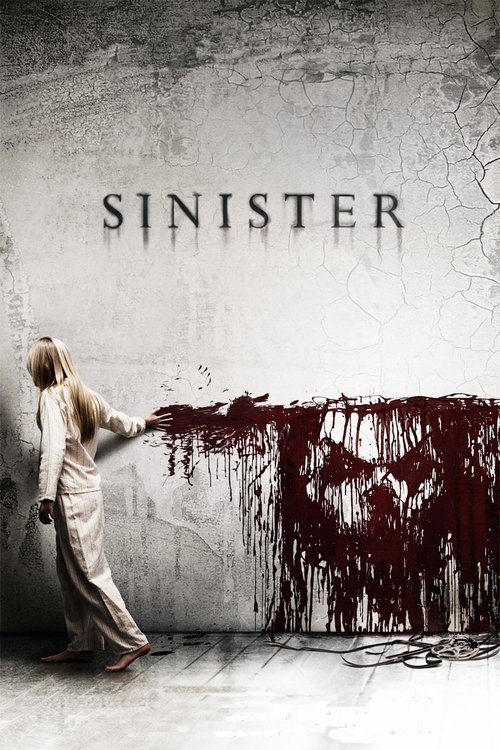
Sinister
True-crime writer Ellison Oswald is in a slump; he hasn't had a best seller in more than 10 years and is becoming increasingly desperate for a hit. So, when he discovers the existence of a snuff film showing the deaths of a family, he vows to solve the mystery. He moves his own family into the victims' home and gets to work. However, when old film footage and other clues hint at the presence of a supernatural force, Ellison learns that living in the house may be fatal.
Despite its tight budget of $3.0M, Sinister became a commercial juggernaut, earning $82.5M worldwide—a remarkable 2651% return. The film's innovative storytelling attracted moviegoers, proving that strong storytelling can transcend budget limitations.
3 wins & 14 nominations


Plot Structure
Story beats plotted across runtime


Narrative Arc
Emotional journey through the story's key moments
Story Circle
Blueprint 15-beat structure
Arcplot Score Breakdown
Weighted: Precision (70%) + Arc (15%) + Theme (15%)
Sinister (2012) exhibits strategically placed dramatic framework, characteristic of Scott Derrickson's storytelling approach. This structural analysis examines how the film's 15-point plot structure maps to proven narrative frameworks across 1 hour and 50 minutes. With an Arcplot score of 7.1, the film balances conventional beats with creative variation.
Characters
Cast & narrative archetypes

Ellison Oswalt
Tracy Oswalt
Deputy So-And-So
Professor Jonas
Ashley Oswalt
Trevor Oswalt
Main Cast & Characters
Ellison Oswalt
Played by Ethan Hawke
A struggling true-crime writer who moves his family into a murder house to research his next book, becoming obsessed with disturbing Super 8 films he discovers.
Tracy Oswalt
Played by Juliet Rylance
Ellison's wife who is unaware they've moved into a murder house and grows increasingly concerned about her husband's behavior and her children's well-being.
Deputy So-And-So
Played by James Ransone
An enthusiastic young deputy and true-crime fan who secretly assists Ellison with his investigation despite the sheriff's orders.
Professor Jonas
Played by Vincent D'Onofrio
A college professor and occult specialist who helps Ellison understand the demonic entity Bughuul depicted in the disturbing films.
Ashley Oswalt
Played by Clare Foley
Ellison and Tracy's young daughter who begins experiencing night terrors and drawing disturbing images after moving into the house.
Trevor Oswalt
Played by Michael Hall D'Addario
Ellison and Tracy's young son who sleepwalks and becomes increasingly disturbed after the family moves into the murder house.
Structural Analysis
The Status Quo at 1 minutes (1% through the runtime) establishes Super 8 footage shows a family of four standing under a tree with bags over their heads before the branch is cut and they are hanged. This disturbing opening establishes the dark world of true crime horror that Ellison Oswalt investigates.. Significantly, this early placement immediately immerses viewers in the story world.
The inciting incident occurs at 14 minutes when Ellison discovers a box of Super 8 film reels and a projector in the attic. Each reel is labeled with an innocent family activity name. This find promises the breakthrough evidence he needs but pulls him into something far darker than he imagined.. At 13% through the film, this Disruption is delayed, allowing extended setup of the story world. This beat shifts the emotional landscape, launching the protagonist into the central conflict.
The First Threshold at 28 minutes marks the transition into Act II, occurring at 25% of the runtime. This illustrates the protagonist's commitment to Ellison commits to solving the mystery himself rather than calling the police. He chooses his book and career over his family's safety, actively deciding to stay in the house and continue watching the films despite their disturbing nature., moving from reaction to action.
At 55 minutes, the Midpoint arrives at 50% of the runtime—precisely centered, creating perfect narrative symmetry. Structural examination shows that this crucial beat Ellison discovers that in each murder film, one of the children is the killer, and these children appear in subsequent family's films. He realizes the missing children are the murderers, linked across time by Bughuul. This false victory of "solving" the case actually reveals he's in far greater danger than he thought., fundamentally raising what's at risk. The emotional intensity shifts, dividing the narrative into clear before-and-after phases.
The Collapse moment at 83 minutes (75% through) represents the emotional nadir. Here, After burning the films, Ellison finally agrees to move the family out of the house. He believes he's failed at the book but saved his family. This surrender represents the death of his ambition and ego, his last chance at the success he desperately wanted., reveals the protagonist at their lowest point. This beat's placement in the final quarter sets up the climactic reversal.
The Second Threshold at 88 minutes initiates the final act resolution at 80% of the runtime. Ellison discovers the box of films has reappeared in his new house. Deputy calls to reveal the pattern: families are killed after they MOVE OUT of the murder houses. Ellison realizes he's doomed his family by leaving. The curse follows the image, not the place., demonstrating the transformation achieved throughout the journey.
Emotional Journey
Sinister's emotional architecture traces a deliberate progression across 15 carefully calibrated beats.
Narrative Framework
This structural analysis employs proven narrative structure principles that track dramatic progression. By mapping Sinister against these established plot points, we can identify how Scott Derrickson utilizes or subverts traditional narrative conventions. The plot point approach reveals not only adherence to structural principles but also creative choices that distinguish Sinister within the horror genre.
Scott Derrickson's Structural Approach
Among the 6 Scott Derrickson films analyzed on Arcplot, the average structural score is 6.9, demonstrating varied approaches to story architecture. Sinister represents one of the director's most structurally precise works. For comparative analysis, explore the complete Scott Derrickson filmography.
Comparative Analysis
Additional horror films include Thinner, A Nightmare on Elm Street and Mary Reilly. For more Scott Derrickson analyses, see Doctor Strange, Deliver Us from Evil and The Black Phone.
Plot Points by Act
Act I
SetupStatus Quo
Super 8 footage shows a family of four standing under a tree with bags over their heads before the branch is cut and they are hanged. This disturbing opening establishes the dark world of true crime horror that Ellison Oswalt investigates.
Theme
The local Sheriff warns Ellison: "You're going to ruin these people's lives... and your own." This thematically questions whether the pursuit of fame and success justifies the collateral damage to family and victims.
Worldbuilding
Ellison moves his family (wife Tracy, son Trevor, daughter Ashley) into the crime scene house without telling them its history. We learn he's a true crime author desperate for another hit after his one successful book a decade ago. His marriage is strained, his son has night terrors, and he's willing to sacrifice family stability for career redemption.
Disruption
Ellison discovers a box of Super 8 film reels and a projector in the attic. Each reel is labeled with an innocent family activity name. This find promises the breakthrough evidence he needs but pulls him into something far darker than he imagined.
Resistance
Ellison watches the horrific murder films: families killed in various elaborate ways (hanging, drowning, throat cutting, burning, lawn mower). He debates whether to continue investigating or involve police. He contacts Professor Jonas about occult symbols and begins corresponding with Deputy So-and-So who offers to help research the crimes.
Act II
ConfrontationFirst Threshold
Ellison commits to solving the mystery himself rather than calling the police. He chooses his book and career over his family's safety, actively deciding to stay in the house and continue watching the films despite their disturbing nature.
Mirror World
Deputy So-and-So becomes Ellison's research partner and represents what Ellison has lost: genuine dedication to helping others rather than personal glory. Their phone conversations highlight the contrast between authentic service and egotistical ambition.
Premise
Ellison dives deeper into the mystery, discovering connections between all the murders spanning decades and different states. Each family had one child who went missing. He finds a demonic figure (Bughuul) appearing in the films and learns from Professor Jonas that this entity consumes children. Strange sounds in the house escalate, his son's night terrors worsen, but Ellison remains obsessed with cracking the case.
Midpoint
Ellison discovers that in each murder film, one of the children is the killer, and these children appear in subsequent family's films. He realizes the missing children are the murderers, linked across time by Bughuul. This false victory of "solving" the case actually reveals he's in far greater danger than he thought.
Opposition
Supernatural activity intensifies. Ellison finds the projector running by itself, sees ghostly children in his house, and discovers footage of his own family being filmed. His drinking worsens. Tracy demands they leave. His son has violent night terrors. Professor Jonas warns that viewing the images allows Bughuul to cross over. Ellison burns the films and evidence, trying to stop the curse.
Collapse
After burning the films, Ellison finally agrees to move the family out of the house. He believes he's failed at the book but saved his family. This surrender represents the death of his ambition and ego, his last chance at the success he desperately wanted.
Crisis
The family packs and moves to their old home. Ellison feels defeated but relieved. He shares a quiet moment with Tracy, hoping they can rebuild. He thinks escaping the house means escaping the curse, but he's haunted by what he's seen.
Act III
ResolutionSecond Threshold
Ellison discovers the box of films has reappeared in his new house. Deputy calls to reveal the pattern: families are killed after they MOVE OUT of the murder houses. Ellison realizes he's doomed his family by leaving. The curse follows the image, not the place.
Synthesis
Ellison frantically searches the house for his family. He's drugged by his daughter Ashley, who has been possessed/corrupted by Bughuul. She films herself murdering her family with an axe. The final film shows Ashley killing Ellison, her mother, and brother before joining the other ghost children and Bughuul in the projector images.
Transformation
The new family murder film labeled "house painting '12" sits in a box with the projector, ready to be found by the next true crime investigator. Ashley joins the ghostly children with Bughuul. Ellison's pursuit of fame has led to his family's destruction and his daughter's corruption—the ultimate cost of ambition.