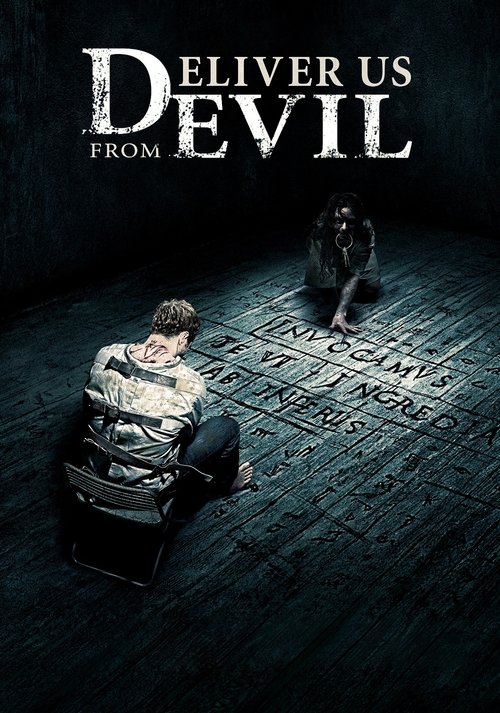
Deliver Us from Evil
When a frightening wave of violence sweeps through New York City, troubled cop Sarchie fails to find a rational explanation for the bizarre crimes. However, his eyes are opened to a frightening alternate reality when renegade Jesuit priest Mendoza convinces him that demonic possession may be to blame for the gruesome murders. Together, they wage a valiant supernatural struggle to rid the city of an otherworldly evil.
Despite a moderate budget of $30.0M, Deliver Us from Evil became a commercial success, earning $87.9M worldwide—a 193% return.
2 wins & 4 nominations


Plot Structure
Story beats plotted across runtime


Narrative Arc
Emotional journey through the story's key moments
Story Circle
Blueprint 15-beat structure
Arcplot Score Breakdown
Weighted: Precision (70%) + Arc (15%) + Theme (15%)
Deliver Us from Evil (2014) reveals carefully calibrated narrative architecture, characteristic of Scott Derrickson's storytelling approach. This structural analysis examines how the film's 15-point plot structure maps to proven narrative frameworks across 1 hour and 58 minutes. With an Arcplot score of 7.0, the film balances conventional beats with creative variation.
Characters
Cast & narrative archetypes

Ralph Sarchie
Mendoza
Jen Sarchie
Butler
Santino
Main Cast & Characters
Ralph Sarchie
Played by Eric Bana
An NYPD sergeant who investigates supernatural crimes alongside a Jesuit priest.
Mendoza
Played by Édgar Ramírez
A Jesuit priest and exorcist who guides Sarchie into the world of demonic possession.
Jen Sarchie
Played by Olivia Munn
Ralph's wife who struggles with his increasing obsession with dark cases and emotional distance.
Butler
Played by Joel McHale
Ralph's partner, a loyal NYPD officer who supports him through increasingly bizarre investigations.
Santino
Played by Sean Harris
A former Marine possessed by a demon after encountering evil in Iraq.
Structural Analysis
The Status Quo at 1 minutes (1% through the runtime) establishes NYPD Sergeant Ralph Sarchie patrols the Bronx at night with his partner Butler, responding to routine domestic disturbances. He's a cynical, hardened cop who relies on his "radar" for danger, disconnected from his wife and daughter.. Significantly, this early placement immediately immerses viewers in the story world.
The inciting incident occurs at 15 minutes when Sarchie and Butler respond to a call at the Bronx Zoo where a woman has thrown her child into the lion enclosure. They discover bizarre, disturbing paintings in the basement and encounter erratic, violent behavior that defies normal explanation.. At 13% through the film, this Disruption is delayed, allowing extended setup of the story world. This beat shifts the emotional landscape, launching the protagonist into the central conflict.
The First Threshold at 30 minutes marks the transition into Act II, occurring at 25% of the runtime. This shows the protagonist's commitment to After witnessing inexplicable phenomena and violence firsthand during an investigation, Sarchie reluctantly agrees to work with Father Mendoza, accepting that this case may involve forces beyond normal criminal investigation., moving from reaction to action.
At 59 minutes, the Midpoint arrives at 50% of the runtime—precisely centered, creating perfect narrative symmetry. Of particular interest, this crucial beat Sarchie confronts a possessed suspect who reveals intimate, impossible knowledge about Sarchie's personal life and past trauma. This false defeat shatters his rational defenses and forces him to accept the reality of demonic forces. The stakes become personal., fundamentally raising what's at risk. The emotional intensity shifts, dividing the narrative into clear before-and-after phases.
The Collapse moment at 89 minutes (75% through) represents the emotional nadir. Here, The primary possessed man, Santino, nearly kills Sarchie and directly threatens his daughter. Sarchie realizes his cynicism and refusal to believe have left him defenseless. His partner Butler is also attacked. Everything Sarchie relied on—his radar, his toughness, his skepticism—has failed., illustrates the protagonist at their lowest point. This beat's placement in the final quarter sets up the climactic reversal.
The Second Threshold at 94 minutes initiates the final act resolution at 80% of the runtime. Sarchie confesses his sins and past to Father Mendoza, genuinely opening himself to faith for the first time. He synthesizes his detective skills with spiritual weapons—combining his investigative instincts with prayer and belief. He's ready to face the demon., demonstrating the transformation achieved throughout the journey.
Emotional Journey
Deliver Us from Evil's emotional architecture traces a deliberate progression across 15 carefully calibrated beats.
Narrative Framework
This structural analysis employs systematic plot point analysis that identifies crucial turning points. By mapping Deliver Us from Evil against these established plot points, we can identify how Scott Derrickson utilizes or subverts traditional narrative conventions. The plot point approach reveals not only adherence to structural principles but also creative choices that distinguish Deliver Us from Evil within the thriller genre.
Scott Derrickson's Structural Approach
Among the 6 Scott Derrickson films analyzed on Arcplot, the average structural score is 6.9, demonstrating varied approaches to story architecture. Deliver Us from Evil represents one of the director's most structurally precise works. For comparative analysis, explore the complete Scott Derrickson filmography.
Comparative Analysis
Additional thriller films include The Warriors, Thunderball and Rustom. For more Scott Derrickson analyses, see Doctor Strange, The Black Phone and Sinister.
Plot Points by Act
Act I
SetupStatus Quo
NYPD Sergeant Ralph Sarchie patrols the Bronx at night with his partner Butler, responding to routine domestic disturbances. He's a cynical, hardened cop who relies on his "radar" for danger, disconnected from his wife and daughter.
Theme
Sarchie's wife Jen expresses concern about the darkness he brings home from work, suggesting he's losing himself to the evil he encounters. The theme of confronting evil without being consumed by it is introduced.
Worldbuilding
Establishment of Sarchie's world: his partnership with Butler, strained family life, skeptical worldview, and the dark streets of the Bronx. Introduction of his investigative instincts and the violent, corrupt environment he navigates daily.
Disruption
Sarchie and Butler respond to a call at the Bronx Zoo where a woman has thrown her child into the lion enclosure. They discover bizarre, disturbing paintings in the basement and encounter erratic, violent behavior that defies normal explanation.
Resistance
Sarchie investigates the strange case, meeting Jesuit priest Mendoza who suggests demonic possession. Sarchie resists the supernatural explanation, debating between rational police work and Mendoza's claims about spiritual warfare. Multiple disturbing incidents connect to soldiers who served together in Iraq.
Act II
ConfrontationFirst Threshold
After witnessing inexplicable phenomena and violence firsthand during an investigation, Sarchie reluctantly agrees to work with Father Mendoza, accepting that this case may involve forces beyond normal criminal investigation.
Mirror World
Father Mendoza becomes Sarchie's guide into the spiritual realm. Their relationship represents the film's thematic core: faith versus cynicism, spiritual warfare versus material reality. Mendoza is a former addict who found redemption through faith.
Premise
Sarchie and Mendoza investigate the connected cases, uncovering a pattern of demonic possession linked to soldiers who encountered evil in Iraq. Sarchie experiences increasingly disturbing supernatural encounters while maintaining his skepticism, creating tension between evidence and belief.
Midpoint
Sarchie confronts a possessed suspect who reveals intimate, impossible knowledge about Sarchie's personal life and past trauma. This false defeat shatters his rational defenses and forces him to accept the reality of demonic forces. The stakes become personal.
Opposition
The demonic presence escalates attacks, targeting Sarchie's family directly. His marriage deteriorates as darkness invades his home. Multiple possessed individuals become more violent. Sarchie's internal struggle intensifies as he's drawn deeper into spiritual warfare while his rational worldview crumbles.
Collapse
The primary possessed man, Santino, nearly kills Sarchie and directly threatens his daughter. Sarchie realizes his cynicism and refusal to believe have left him defenseless. His partner Butler is also attacked. Everything Sarchie relied on—his radar, his toughness, his skepticism—has failed.
Crisis
Sarchie confronts his spiritual emptiness and the darkness within himself. He processes his trauma, his loss of faith, and recognizes that fighting evil requires acknowledging the spiritual realm. He must choose between remaining in cynical denial or embracing faith.
Act III
ResolutionSecond Threshold
Sarchie confesses his sins and past to Father Mendoza, genuinely opening himself to faith for the first time. He synthesizes his detective skills with spiritual weapons—combining his investigative instincts with prayer and belief. He's ready to face the demon.
Synthesis
Sarchie and Mendoza perform an exorcism on Santino. Sarchie must maintain his newfound faith while confronting the demon directly. The battle combines physical confrontation with spiritual warfare. Sarchie uses both his cop skills and prayer, ultimately helping to free Santino from possession.
Transformation
Sarchie returns home to his family, no longer the cynical, disconnected cop from the opening. He's spiritually awakened, present with his wife and daughter, and has integrated faith into his worldview. He continues as a cop but now acknowledges the spiritual dimension of good and evil.