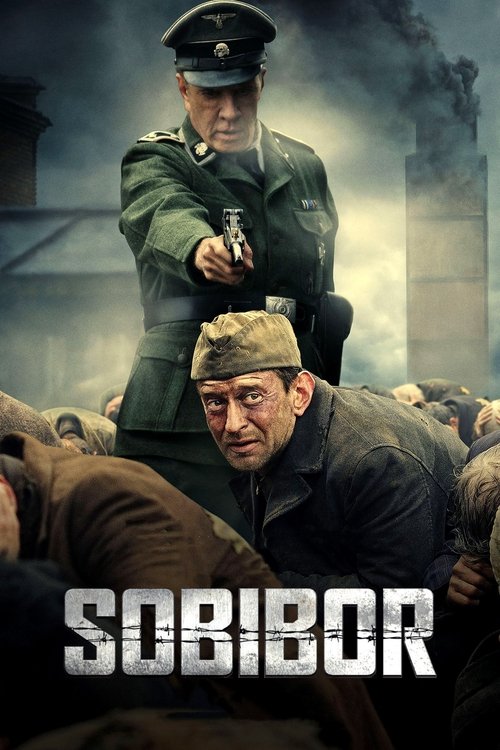
Sobibor
The film is based on a real story that happened in 1943 in the Sobibor concentration camp in German-occupied Poland. The main character of the movie is the Soviet-Jewish soldier Alexander Pechersky, who at that time was serving in the Red Army as a lieutenant. In October 1943, he was captured by the Nazis and deported to the Sobibor concentration camp, where Jews were being exterminated in gas chambers. But, in just 3 weeks, Alexander was able to plan an international uprising of prisoners from Poland and Western Europe. This uprising resulted in being the only successful one throughout the war, which led to the largest escape of prisoners from a Nazi concentration camp.
The film earned $5.0M at the global box office.


Plot Structure
Story beats plotted across runtime


Narrative Arc
Emotional journey through the story's key moments
Story Circle
Blueprint 15-beat structure
Arcplot Score Breakdown
Weighted: Precision (70%) + Arc (15%) + Theme (15%)
Sobibor (2018) reveals carefully calibrated narrative design, characteristic of Konstantin Khabenskiy's storytelling approach. This structural analysis examines how the film's 15-point plot structure maps to proven narrative frameworks across 1 hour and 50 minutes. With an Arcplot score of 7.9, the film showcases strong structural fundamentals.
Characters
Cast & narrative archetypes

Alexander Pechersky
Karl Frenzel
Leon Feldhendler
Luka
SS-Oberscharführer Wagner
Shlomo
Main Cast & Characters
Alexander Pechersky
Played by Konstantin Khabenskiy
Soviet POW and Red Army lieutenant who becomes the strategic leader of the Sobibor uprising, using his military experience to organize the rebellion.
Karl Frenzel
Played by Christopher Lambert
SS officer and deputy commandant of Sobibor, known for his cruelty and sadistic treatment of prisoners.
Leon Feldhendler
Played by Felice Jankell
Polish-Jewish prisoner and camp elder who initiates the uprising plans and partners with Pechersky.
Luka
Played by Sergey Yushkevich
Fellow Soviet POW and loyal friend to Pechersky who supports the resistance effort.
SS-Oberscharführer Wagner
Played by Maximilian Dirr
Brutal SS officer at Sobibor known for extreme violence against prisoners.
Shlomo
Played by Michalina Olszanska
Jewish prisoner who works in the camp and becomes part of the resistance movement.
Structural Analysis
The Status Quo at 1 minutes (1% through the runtime) establishes Soviet POW Alexander Pechersky and fellow prisoners are crammed into a cattle car, representing their state before arriving at Sobibor—already imprisoned but unaware of the death camp's true horror.. Significantly, this early placement immediately immerses viewers in the story world.
The inciting incident occurs at 14 minutes when Pechersky witnesses the mass murder of a transport, including women and children, in the gas chambers. This shatters any illusion of survival and makes clear that everyone in the camp is marked for death—escape is not optional but necessary.. At 13% through the film, this Disruption is delayed, allowing extended setup of the story world. This beat shifts the emotional landscape, launching the protagonist into the central conflict.
The First Threshold at 28 minutes marks the transition into Act II, occurring at 25% of the runtime. This indicates the protagonist's commitment to Pechersky makes the definitive choice to lead the uprising. He commits to Feldhendler and the resistance committee: "We will escape, and we will take everyone with us." This is his active decision to transform from prisoner to resistance leader., moving from reaction to action.
At 55 minutes, the Midpoint arrives at 50% of the runtime—precisely centered, creating perfect narrative symmetry. The analysis reveals that this crucial beat A false defeat: the Nazis discover suspicious activity and increase security. An informant is suspected within the camp. The planned escape date must be moved up, and Pechersky realizes that any delay means certain death—the stakes escalate dramatically and the window is closing., fundamentally raising what's at risk. The emotional intensity shifts, dividing the narrative into clear before-and-after phases.
The Collapse moment at 83 minutes (75% through) represents the emotional nadir. Here, A trusted member of the resistance is executed by the Nazis, nearly exposing the entire plan. Pechersky faces the darkest moment—the uprising seems impossible, the cost is mounting, and he questions whether he's leading everyone to a worse death. The "whiff of death" is literal and metaphorical., illustrates the protagonist at their lowest point. This beat's placement in the final quarter sets up the climactic reversal.
The Second Threshold at 88 minutes initiates the final act resolution at 80% of the runtime. Pechersky receives intelligence that a new transport is arriving soon—meaning mass executions are imminent. This new information crystallizes his resolve: "We go tomorrow, or we don't go at all." He synthesizes his military training with the prisoners' knowledge of the camp, and the plan enters its final form., demonstrating the transformation achieved throughout the journey.
Emotional Journey
Sobibor's emotional architecture traces a deliberate progression across 15 carefully calibrated beats.
Narrative Framework
This structural analysis employs a 15-point narrative structure framework that maps key story moments. By mapping Sobibor against these established plot points, we can identify how Konstantin Khabenskiy utilizes or subverts traditional narrative conventions. The plot point approach reveals not only adherence to structural principles but also creative choices that distinguish Sobibor within the war genre.
Comparative Analysis
Additional war films include Fury, Shenandoah and More American Graffiti.
Plot Points by Act
Act I
SetupStatus Quo
Soviet POW Alexander Pechersky and fellow prisoners are crammed into a cattle car, representing their state before arriving at Sobibor—already imprisoned but unaware of the death camp's true horror.
Theme
A prisoner tells Pechersky: "Here, survival is not enough. We must remain human." This establishes the film's core theme about maintaining dignity and humanity in the face of systematic dehumanization.
Worldbuilding
Pechersky and the Soviet POWs arrive at Sobibor extermination camp. We learn the camp's brutal rules, meet the Nazi officers led by Commandant Frenzel, see the selection process, witness the horrific reality of the gas chambers, and understand that prisoners are kept alive only to serve the camp's operations.
Disruption
Pechersky witnesses the mass murder of a transport, including women and children, in the gas chambers. This shatters any illusion of survival and makes clear that everyone in the camp is marked for death—escape is not optional but necessary.
Resistance
Pechersky debates whether escape is possible. He meets Leon Feldhendler, the de facto leader of the Jewish prisoners, who has been trying to organize resistance. They discuss previous failed escape attempts, assess the guards' routines, and Pechersky wrestles with whether a Soviet officer should lead or defer to others.
Act II
ConfrontationFirst Threshold
Pechersky makes the definitive choice to lead the uprising. He commits to Feldhendler and the resistance committee: "We will escape, and we will take everyone with us." This is his active decision to transform from prisoner to resistance leader.
Mirror World
Pechersky connects with Luka, a young Dutch-Jewish prisoner who becomes his key ally and represents the future they're fighting for. Their relationship embodies the theme—through planning the uprising, Pechersky rediscovers his humanity and purpose beyond mere survival.
Premise
The "fun and games" of planning an impossible escape. Pechersky and the resistance meticulously plan the uprising: mapping guard positions, crafting makeshift weapons, recruiting trustworthy prisoners, establishing the kill sequence for Nazi officers, and rehearsing their roles. This is the promise of the premise—watching an intricate resistance plan take shape.
Midpoint
A false defeat: the Nazis discover suspicious activity and increase security. An informant is suspected within the camp. The planned escape date must be moved up, and Pechersky realizes that any delay means certain death—the stakes escalate dramatically and the window is closing.
Opposition
The Nazi officers grow more suspicious and violent. Pechersky's plan faces multiple threats: prisoners losing courage, the risk of discovery intensifying, internal disagreements about timing, and the daily horror of witnessing more murders. Every moment brings them closer to exposure, and Pechersky must hold together a fragile coalition under extreme pressure.
Collapse
A trusted member of the resistance is executed by the Nazis, nearly exposing the entire plan. Pechersky faces the darkest moment—the uprising seems impossible, the cost is mounting, and he questions whether he's leading everyone to a worse death. The "whiff of death" is literal and metaphorical.
Crisis
Pechersky and Feldhendler sit in darkness, processing the loss and the weight of responsibility. They consider calling it off. Pechersky reflects on what it means to die with dignity versus die without trying. The prisoners look to him for a decision.
Act III
ResolutionSecond Threshold
Pechersky receives intelligence that a new transport is arriving soon—meaning mass executions are imminent. This new information crystallizes his resolve: "We go tomorrow, or we don't go at all." He synthesizes his military training with the prisoners' knowledge of the camp, and the plan enters its final form.
Synthesis
The uprising executes. Nazi officers are killed one by one in workshops and buildings. The prisoners seize weapons. The alarm sounds. Chaos erupts as they storm the gates. Some fall to gunfire, some make it through the fences, some die on the minefields. Pechersky leads the charge, and approximately 300 prisoners escape into the forest. The finale is visceral, brutal, and cathartic.
Transformation
The final image shows Pechersky and the survivors in the forest, free but forever changed. Text reveals that while many were recaptured or killed, the uprising led to Sobibor's closure. Pechersky survived the war. The closing image mirrors the opening—prisoners in motion—but now they move as free humans who chose resistance over passive death.