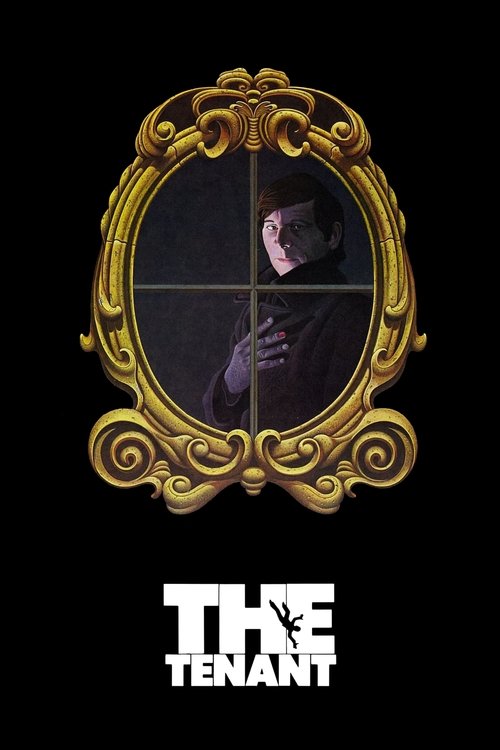
The Tenant
A quiet and inconspicuous man rents an apartment in Paris where he finds himself drawn into a rabbit hole of dangerous paranoia.
The film earned $5.1M at the global box office.


Plot Structure
Story beats plotted across runtime


Narrative Arc
Emotional journey through the story's key moments
Story Circle
Blueprint 15-beat structure
Arcplot Score Breakdown
Weighted: Precision (70%) + Arc (15%) + Theme (15%)
The Tenant (1976) showcases carefully calibrated dramatic framework, characteristic of Roman Polanski's storytelling approach. This structural analysis examines how the film's 15-point plot structure maps to proven narrative frameworks across 2 hours and 6 minutes. With an Arcplot score of 7.2, the film balances conventional beats with creative variation.
Characters
Cast & narrative archetypes

Trelkovsky
Stella
Monsieur Zy
Monsieur Zy (Landlord)
Simone Choule
Scope
Main Cast & Characters
Trelkovsky
Played by Roman Polanski
A timid Polish file clerk who rents an apartment where the previous tenant attempted suicide, gradually descending into paranoid delusion.
Stella
Played by Isabelle Adjani
A friend of the previous tenant who visits Trelkovsky and becomes his love interest, though their relationship remains tentative.
Monsieur Zy
Played by Shelley Winters
The tyrannical concierge who enforces oppressive silence and watches Trelkovsky with suspicion and hostility.
Monsieur Zy (Landlord)
Played by Melvyn Douglas
The stern landlord who sets strict rules for the apartment building and intimidates Trelkovsky into compliance.
Simone Choule
Played by Dominique Poulange
The previous tenant who jumped from the apartment window and lies bandaged in the hospital before dying.
Scope
Played by Bernard Fresson
Trelkovsky's crude and insensitive work colleague who represents normalcy but lacks empathy.
Structural Analysis
The Status Quo at 1 minutes (1% through the runtime) establishes Trelkovsky, a meek file clerk, arrives at a Parisian apartment building to inquire about renting a vacant apartment. He appears timid and eager to please, establishing his passive, anxiety-ridden nature.. Significantly, this early placement immediately immerses viewers in the story world.
The inciting incident occurs at 15 minutes when Trelkovsky officially moves into the apartment where Simone committed suicide, unknowingly beginning his psychological descent. The apartment itself becomes a malevolent force that will consume his identity.. At 12% through the film, this Disruption aligns precisely with traditional story structure. This beat shifts the emotional landscape, launching the protagonist into the central conflict.
The First Threshold at 31 minutes marks the transition into Act II, occurring at 24% of the runtime. This illustrates the protagonist's commitment to After repeated harassment from neighbors and the landlord about trivial infractions, Trelkovsky begins to consciously notice the apartment's sinister influence. He chooses to investigate the previous tenant rather than simply leave, crossing into active paranoia., moving from reaction to action.
At 63 minutes, the Midpoint arrives at 50% of the runtime—precisely centered, creating perfect narrative symmetry. Significantly, this crucial beat Trelkovsky realizes he is being deliberately transformed into Simone Choule by the neighbors and building itself. This false defeat marks the point where his identity crisis becomes irreversible - he can no longer distinguish between genuine persecution and delusion., fundamentally raising what's at risk. The emotional intensity shifts, dividing the narrative into clear before-and-after phases.
The Collapse moment at 95 minutes (76% through) represents the emotional nadir. Here, Trelkovsky fully loses his identity, completely becoming Simone Choule. His original self dies metaphorically as he stands at the same window where Simone jumped, dressed in her clothing, accepting his fate., illustrates the protagonist at their lowest point. This beat's placement in the final quarter sets up the climactic reversal.
The Second Threshold at 103 minutes initiates the final act resolution at 82% of the runtime. Trelkovsky accepts his fate and chooses to complete Simone's suicide, achieving the terrible synthesis the apartment demanded. There is no salvation, only submission to the cycle of identity erasure., demonstrating the transformation achieved throughout the journey.
Emotional Journey
The Tenant's emotional architecture traces a deliberate progression across 15 carefully calibrated beats.
Narrative Framework
This structural analysis employs structural analysis methodology used to understand storytelling architecture. By mapping The Tenant against these established plot points, we can identify how Roman Polanski utilizes or subverts traditional narrative conventions. The plot point approach reveals not only adherence to structural principles but also creative choices that distinguish The Tenant within the thriller genre.
Roman Polanski's Structural Approach
Among the 11 Roman Polanski films analyzed on Arcplot, the average structural score is 6.5, demonstrating varied approaches to story architecture. The Tenant represents one of the director's most structurally precise works. For comparative analysis, explore the complete Roman Polanski filmography.
Comparative Analysis
Additional thriller films include The Warriors, Thunderball and Rustom. For more Roman Polanski analyses, see Frantic, Tess and Carnage.
Plot Points by Act
Act I
SetupStatus Quo
Trelkovsky, a meek file clerk, arrives at a Parisian apartment building to inquire about renting a vacant apartment. He appears timid and eager to please, establishing his passive, anxiety-ridden nature.
Theme
The concierge warns Trelkovsky about the building's strict rules and judgmental neighbors, introducing the theme of paranoia and the erasure of individual identity under social pressure and surveillance.
Worldbuilding
Trelkovsky learns the apartment's previous tenant, Simone Choule, attempted suicide and is hospitalized. He visits her in the hospital where she dies, meets her friend Stella, and begins settling into the oppressive apartment building with its strange, hostile neighbors.
Disruption
Trelkovsky officially moves into the apartment where Simone committed suicide, unknowingly beginning his psychological descent. The apartment itself becomes a malevolent force that will consume his identity.
Resistance
Trelkovsky attempts to establish normalcy, pursuing a relationship with Stella and trying to appease his neighbors. However, strange occurrences accumulate: finding Simone's belongings, bizarre neighbor behavior, and increasing complaints about noise he didn't make.
Act II
ConfrontationFirst Threshold
After repeated harassment from neighbors and the landlord about trivial infractions, Trelkovsky begins to consciously notice the apartment's sinister influence. He chooses to investigate the previous tenant rather than simply leave, crossing into active paranoia.
Mirror World
Stella represents the outside world and sanity, offering Trelkovsky connection and potential escape from his isolation. Their relationship serves as the thematic counterpoint to his descent into the apartment's madness.
Premise
Trelkovsky's paranoia intensifies as he discovers unsettling connections to Simone. He finds a tooth hidden in the wall, witnesses neighbors staring at him from across the courtyard, and begins unconsciously adopting Simone's habits and appearance.
Midpoint
Trelkovsky realizes he is being deliberately transformed into Simone Choule by the neighbors and building itself. This false defeat marks the point where his identity crisis becomes irreversible - he can no longer distinguish between genuine persecution and delusion.
Opposition
Trelkovsky's grip on reality deteriorates rapidly. He begins cross-dressing as Simone, his relationship with Stella collapses, and he becomes increasingly isolated. The neighbors' alleged conspiracy intensifies, and he barricades himself in the apartment.
Collapse
Trelkovsky fully loses his identity, completely becoming Simone Choule. His original self dies metaphorically as he stands at the same window where Simone jumped, dressed in her clothing, accepting his fate.
Crisis
In the dark aftermath of ego death, Trelkovsky experiences complete dissociation. He sees himself as both observer and victim, trapped in a psychological loop with no escape from the apartment's malevolent design.
Act III
ResolutionSecond Threshold
Trelkovsky accepts his fate and chooses to complete Simone's suicide, achieving the terrible synthesis the apartment demanded. There is no salvation, only submission to the cycle of identity erasure.
Synthesis
Trelkovsky throws himself from the window twice, mirroring Simone's suicide. He survives and ends up hospitalized, bandaged like Simone was at the film's beginning, completing the ouroboros cycle.
Transformation
In the hospital bed, wrapped in bandages like Simone, Trelkovsky screams as he sees himself visiting as he once visited Simone. The cycle will repeat infinitely - the transformation is complete and horrifying, suggesting no escape from paranoid dissolution.