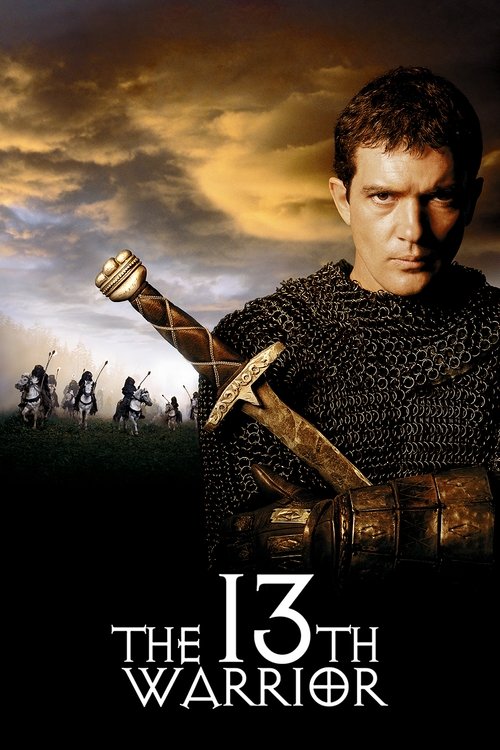
The 13th Warrior
A Muslim ambassador exiled from his homeland joins a group of Vikings, initially offended by their behavior but growing to respect them. As they travel together, they learn of a legendary evil closing in and must unite to confront this formidable force.
The film underperformed commercially against its considerable budget of $120.0M, earning $61.7M globally (-49% loss). While initial box office returns were modest, the film has gained appreciation for its unconventional structure within the adventure genre.
2 wins & 2 nominations


Plot Structure
Story beats plotted across runtime


Narrative Arc
Emotional journey through the story's key moments
Story Circle
Blueprint 15-beat structure
Arcplot Score Breakdown
Weighted: Precision (70%) + Arc (15%) + Theme (15%)
The 13th Warrior (1999) exhibits strategically placed story structure, characteristic of John McTiernan's storytelling approach. This structural analysis examines how the film's 15-point plot structure maps to proven narrative frameworks across 1 hour and 42 minutes. With an Arcplot score of 7.0, the film balances conventional beats with creative variation.
Characters
Cast & narrative archetypes

Ahmad ibn Fadlan
Buliwyf
Herger the Joyous
Melchisidek
Weath the Musician
King Hrothgar
Queen Weilew
Wigliff
Main Cast & Characters
Ahmad ibn Fadlan
Played by Antonio Banderas
An Arab courtier and poet exiled from Baghdad who becomes the 13th warrior in a Norse band, learning their ways and finding courage.
Buliwyf
Played by Vladimir Kulich
The leader of the Norse warriors, a powerful and wise king-figure who leads the mission to save a distant kingdom from mysterious attackers.
Herger the Joyous
Played by Dennis Storhøi
A jovial and friendly Norse warrior who befriends Ahmad and helps him adapt to Norse culture and warfare.
Melchisidek
Played by Omar Sharif
An elderly ambassador and wise traveler who serves as Ahmad's initial guide and introduces him to the Norse warriors.
Weath the Musician
Played by Tony Curran
A skald and warrior who chronicles the deeds of the group through song and poetry.
King Hrothgar
Played by Sven Wollter
The aging king whose kingdom is under siege by the mysterious Wendol, desperately needing the warriors' help.
Queen Weilew
Played by Diane Venora
King Hrothgar's cunning and protective wife who harbors secrets about the Wendol threat.
Wigliff
Played by Daniel Southern
Hrothgar's ambitious and cowardly son who questions the warriors' presence and his own courage.
Structural Analysis
The Status Quo at 1 minutes (1% through the runtime) establishes Ahmed Ibn Fahdlan, a refined Arab poet and ambassador, lives a cultured life in Baghdad, engaged in a forbidden romance with a merchant's wife. He is educated, civilized, and completely unprepared for the brutal world he's about to enter.. Structural examination shows that this early placement immediately immerses viewers in the story world.
The inciting incident occurs at 12 minutes when A messenger arrives at the trading post with dire news: a village in the North is under attack by mysterious creatures called the "Wendol" who emerge from the mist to slaughter entire settlements. The Norsemen must respond, and a prophecy demands that thirteen warriors make the journey—the thirteenth must not be a Norseman.. At 12% through the film, this Disruption aligns precisely with traditional story structure. This beat shifts the emotional landscape, launching the protagonist into the central conflict.
The First Threshold at 25 minutes marks the transition into Act II, occurring at 25% of the runtime. This indicates the protagonist's commitment to Ahmed and the thirteen warriors arrive at the besieged village and witness the horrific aftermath of a Wendol attack—bodies mutilated, terror in the survivors' eyes. Ahmed realizes there is no escape: he must fight or die. He commits to staying and learning to be a warrior, accepting his role in this mission., moving from reaction to action.
At 51 minutes, the Midpoint arrives at 50% of the runtime—precisely centered, creating perfect narrative symmetry. Of particular interest, this crucial beat The warriors launch a daring raid on the Wendol's caves, penetrating deep into enemy territory to kill the Wendol's "mother"—their spiritual leader. The mission succeeds, and they believe they've won. Ahmed has proven himself in combat, earning respect. The group celebrates, thinking the threat is over. False victory., fundamentally raising what's at risk. The emotional intensity shifts, dividing the narrative into clear before-and-after phases.
The Collapse moment at 75 minutes (74% through) represents the emotional nadir. Here, Buliwyf, the great leader, is gravely weakened by poison and near death. The warriors are outnumbered, exhausted, and surrounded. Several of the thirteen have been killed. The village seems doomed, and Ahmed faces the real possibility that they will all die here, having failed. The "whiff of death" is literal—Buliwyf is dying., shows the protagonist at their lowest point. This beat's placement in the final quarter sets up the climactic reversal.
The Second Threshold at 81 minutes initiates the final act resolution at 79% of the runtime. Ahmed realizes the only way to end this is to strike at the Wendol's true leader—the warlord who commands them. Buliwyf, in his final act, chooses to face the warlord in single combat despite his weakening condition. Ahmed and the warriors rally for one final, desperate assault, synthesizing all they've learned about their enemy., demonstrating the transformation achieved throughout the journey.
Emotional Journey
The 13th Warrior's emotional architecture traces a deliberate progression across 15 carefully calibrated beats.
Narrative Framework
This structural analysis employs systematic plot point analysis that identifies crucial turning points. By mapping The 13th Warrior against these established plot points, we can identify how John McTiernan utilizes or subverts traditional narrative conventions. The plot point approach reveals not only adherence to structural principles but also creative choices that distinguish The 13th Warrior within the adventure genre.
John McTiernan's Structural Approach
Among the 11 John McTiernan films analyzed on Arcplot, the average structural score is 7.0, reflecting strong command of classical structure. The 13th Warrior takes a more unconventional approach compared to the director's typical style. For comparative analysis, explore the complete John McTiernan filmography.
Comparative Analysis
Additional adventure films include The Black Stallion, The Bad Guys and Puss in Boots. For more John McTiernan analyses, see Die Hard, Die Hard: With a Vengeance and Medicine Man.
Plot Points by Act
Act I
SetupStatus Quo
Ahmed Ibn Fahdlan, a refined Arab poet and ambassador, lives a cultured life in Baghdad, engaged in a forbidden romance with a merchant's wife. He is educated, civilized, and completely unprepared for the brutal world he's about to enter.
Theme
During his journey, Ahmed encounters the Norsemen and observes their savage customs. An old woman later tells him, "You think you are a man, but you are not. You will learn what it means to be a warrior." The theme: courage and identity are forged through trial, not birthright.
Worldbuilding
Ahmed is banished from Baghdad for his affair and sent north as an ambassador. He travels through harsh territories, eventually encountering a group of Norse warriors at a trading post. We see the stark cultural contrast: Ahmed is fastidious and refined, while the Norsemen are crude, violent, and incomprehensible to him.
Disruption
A messenger arrives at the trading post with dire news: a village in the North is under attack by mysterious creatures called the "Wendol" who emerge from the mist to slaughter entire settlements. The Norsemen must respond, and a prophecy demands that thirteen warriors make the journey—the thirteenth must not be a Norseman.
Resistance
Ahmed is chosen by the oracle to be the thirteenth warrior, against his protests. He is terrified, arguing he is a poet and an ambassador, not a warrior. The Norsemen mock him, and he is completely out of his element. During the journey north, he begins learning their language by listening, and Herger becomes a reluctant guide, explaining their customs.
Act II
ConfrontationFirst Threshold
Ahmed and the thirteen warriors arrive at the besieged village and witness the horrific aftermath of a Wendol attack—bodies mutilated, terror in the survivors' eyes. Ahmed realizes there is no escape: he must fight or die. He commits to staying and learning to be a warrior, accepting his role in this mission.
Mirror World
Ahmed bonds with Herger the Joyous and the other warriors, particularly Buliwyf, the noble leader. They become his mirror—warriors who embody courage, honor, and brotherhood. Through them, Ahmed will learn what it means to face fear and fight for something greater than himself.
Premise
Ahmed trains with the warriors, learning to fight with a Viking sword (though he must forge a lighter cavalry sword suited to his style). The group investigates the Wendol, discovering they are not supernatural demons but a tribe of cannibalistic primitives who use fear and mist as weapons. The warriors prepare defenses and fight off brutal night attacks.
Midpoint
The warriors launch a daring raid on the Wendol's caves, penetrating deep into enemy territory to kill the Wendol's "mother"—their spiritual leader. The mission succeeds, and they believe they've won. Ahmed has proven himself in combat, earning respect. The group celebrates, thinking the threat is over. False victory.
Opposition
The Wendol return with greater fury, seeking revenge. The warriors realize their victory was incomplete—the enemy is more numerous and relentless than expected. Buliwyf is poisoned by a Wendol blade and slowly dying. Warriors fall one by one. Ahmed's newfound confidence is tested as losses mount and hope dwindles.
Collapse
Buliwyf, the great leader, is gravely weakened by poison and near death. The warriors are outnumbered, exhausted, and surrounded. Several of the thirteen have been killed. The village seems doomed, and Ahmed faces the real possibility that they will all die here, having failed. The "whiff of death" is literal—Buliwyf is dying.
Crisis
In the darkness before the final battle, Ahmed and the remaining warriors grapple with their mortality. Ahmed reflects on how far he's come from the soft poet in Baghdad. He has become a warrior, but wonders if it will matter. Buliwyf, though dying, prepares for one last stand. They accept death but choose to fight anyway.
Act III
ResolutionSecond Threshold
Ahmed realizes the only way to end this is to strike at the Wendol's true leader—the warlord who commands them. Buliwyf, in his final act, chooses to face the warlord in single combat despite his weakening condition. Ahmed and the warriors rally for one final, desperate assault, synthesizing all they've learned about their enemy.
Synthesis
The final battle erupts. Buliwyf confronts and kills the Wendol warlord in a climactic duel, though he is mortally wounded in the process. Ahmed fights with the skill and courage of a true warrior, leading the defense. The Wendol break and flee, their leadership destroyed. Buliwyf dies a hero's death, and the village is saved.
Transformation
Ahmed, now a transformed man, prepares to return home. He narrates his journey, reflecting on how he arrived as a poet and ambassador but became a warrior through fire and brotherhood. The refined scholar has been forged into someone who understands courage, sacrifice, and what it means to stand with brothers in battle. He is no longer the man who left Baghdad.