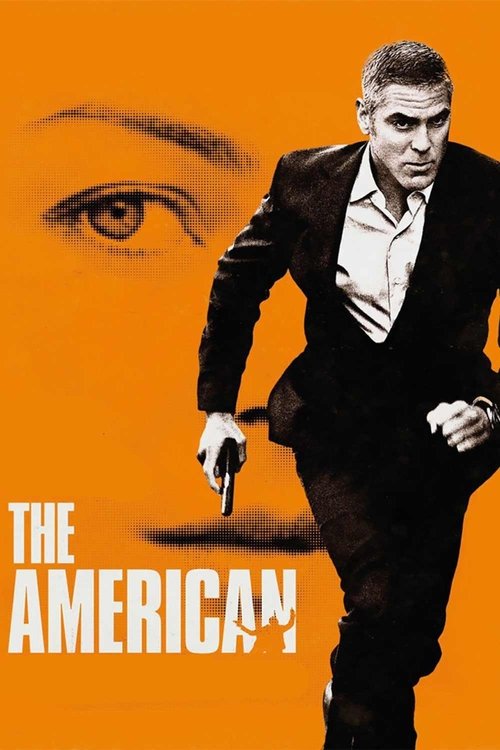
The American
Dispatched to a small Italian town to await further orders, assassin Jack embarks on a double life that may be more relaxing than is good for him.
Despite a mid-range budget of $20.0M, The American became a financial success, earning $67.9M worldwide—a 240% return.


Plot Structure
Story beats plotted across runtime


Narrative Arc
Emotional journey through the story's key moments
Story Circle
Blueprint 15-beat structure
Arcplot Score Breakdown
Weighted: Precision (70%) + Arc (15%) + Theme (15%)
The American (2010) reveals meticulously timed narrative architecture, characteristic of Anton Corbijn's storytelling approach. This structural analysis examines how the film's 15-point plot structure maps to proven narrative frameworks across 1 hour and 44 minutes. With an Arcplot score of 6.8, the film balances conventional beats with creative variation.
Characters
Cast & narrative archetypes

Jack/Edward
Clara
Father Benedetto
Mathilde
Pavel
Main Cast & Characters
Jack/Edward
Played by George Clooney
A solitary assassin hiding in rural Italy, crafting weapons while seeking redemption and connection.
Clara
Played by Violante Placido
A compassionate prostitute who forms an unexpected romantic connection with Jack.
Father Benedetto
Played by Paolo Bonacelli
A wise village priest who befriends Jack and offers spiritual guidance.
Mathilde
Played by Thekla Reuten
A mysterious female assassin who commissions a custom weapon from Jack.
Pavel
Played by Johan Leysen
Jack's handler and contact who arranges his assignment in Italy.
Structural Analysis
The Status Quo at 1 minutes (1% through the runtime) establishes Jack enjoys a peaceful moment with his lover Ingrid at a remote Swedish cabin, walking through the snow-covered landscape. A rare glimpse of tranquility in an assassin's isolated existence.. Structural examination shows that this early placement immediately immerses viewers in the story world.
The inciting incident occurs at 12 minutes when Swedish assassins attack Jack and Ingrid at the cabin. Jack kills them but then executes Ingrid when he realizes she may have betrayed him or been compromised. His peaceful existence is shattered, forcing him to flee.. At 12% through the film, this Disruption aligns precisely with traditional story structure. This beat shifts the emotional landscape, launching the protagonist into the central conflict.
The First Threshold at 26 minutes marks the transition into Act II, occurring at 25% of the runtime. This shows the protagonist's commitment to Jack accepts the job from Pavel to build a custom weapon for a female assassin named Mathilde. Despite wanting out, he commits to one final assignment, entering the second act of deception and danger., moving from reaction to action.
At 52 minutes, the Midpoint arrives at 50% of the runtime—precisely centered, creating perfect narrative symmetry. Significantly, this crucial beat Jack successfully tests the weapon with Mathilde in a remote location and delivers it. Simultaneously, his relationship with Clara deepens beyond business—she invites him to see her outside the brothel. A false victory: the job seems complete, love seems possible., fundamentally raising what's at risk. The emotional intensity shifts, dividing the narrative into clear before-and-after phases.
The Collapse moment at 78 minutes (75% through) represents the emotional nadir. Here, Jack discovers that Pavel has ordered his death—Mathilde's target is Jack himself. His handler has betrayed him. The one person he trusted in his professional life wants him eliminated. All hope of a clean exit collapses., demonstrates the protagonist at their lowest point. This beat's placement in the final quarter sets up the climactic reversal.
The Second Threshold at 83 minutes initiates the final act resolution at 80% of the runtime. Jack decides to confront his enemies and then escape with Clara. He chooses love and a new life, sabotaging the rifle he built so it will backfire on Mathilde. He commits to fighting for redemption rather than accepting death., demonstrating the transformation achieved throughout the journey.
Emotional Journey
The American's emotional architecture traces a deliberate progression across 15 carefully calibrated beats.
Narrative Framework
This structural analysis employs proven narrative structure principles that track dramatic progression. By mapping The American against these established plot points, we can identify how Anton Corbijn utilizes or subverts traditional narrative conventions. The plot point approach reveals not only adherence to structural principles but also creative choices that distinguish The American within the crime genre.
Anton Corbijn's Structural Approach
Among the 3 Anton Corbijn films analyzed on Arcplot, the average structural score is 6.6, demonstrating varied approaches to story architecture. The American represents one of the director's most structurally precise works. For comparative analysis, explore the complete Anton Corbijn filmography.
Comparative Analysis
Additional crime films include The Bad Guys, Rustom and The Whole Ten Yards. For more Anton Corbijn analyses, see A Most Wanted Man, Control.
Plot Points by Act
Act I
SetupStatus Quo
Jack enjoys a peaceful moment with his lover Ingrid at a remote Swedish cabin, walking through the snow-covered landscape. A rare glimpse of tranquility in an assassin's isolated existence.
Theme
Father Benedetto later tells Jack, "A man can be rich if he has God in his heart." The theme is established: can a man defined by death find salvation, connection, and peace?
Worldbuilding
Jack's world is established as one of constant vigilance and isolation. After the Sweden ambush, he contacts Pavel and goes into hiding. His skills, paranoia, and solitary existence are revealed as he prepares for his next assignment.
Disruption
Swedish assassins attack Jack and Ingrid at the cabin. Jack kills them but then executes Ingrid when he realizes she may have betrayed him or been compromised. His peaceful existence is shattered, forcing him to flee.
Resistance
Jack debates whether to continue this life or escape. Pavel sends him to Castel del Monte in Italy, but Jack defies orders and goes to nearby Castelvecchio instead. He establishes routines, surveys the town, and prepares for a new assignment while remaining hypervigilant.
Act II
ConfrontationFirst Threshold
Jack accepts the job from Pavel to build a custom weapon for a female assassin named Mathilde. Despite wanting out, he commits to one final assignment, entering the second act of deception and danger.
Mirror World
Jack meets Clara, a beautiful prostitute at the local brothel. Their encounter begins as transactional but hints at genuine connection—she represents the possibility of intimacy and normalcy he has denied himself.
Premise
Jack meticulously crafts the specialized rifle for Mathilde while pursuing a tentative relationship with Clara. He befriends Father Benedetto despite himself. The deliberate pace showcases his craftsmanship and growing vulnerability as he allows human connection.
Midpoint
Jack successfully tests the weapon with Mathilde in a remote location and delivers it. Simultaneously, his relationship with Clara deepens beyond business—she invites him to see her outside the brothel. A false victory: the job seems complete, love seems possible.
Opposition
Jack's paranoia intensifies as he spots a Swedish assassin in town. He kills the man but realizes the threat is ongoing. Father Benedetto presses him about his past. Mathilde's true intentions become suspect. The walls close in as Jack's past catches up.
Collapse
Jack discovers that Pavel has ordered his death—Mathilde's target is Jack himself. His handler has betrayed him. The one person he trusted in his professional life wants him eliminated. All hope of a clean exit collapses.
Crisis
Jack processes the betrayal in isolation. He must decide whether to run, fight, or finally choose love over survival. Father Benedetto's words about hell being the absence of love resonate as Jack faces his dark night of the soul.
Act III
ResolutionSecond Threshold
Jack decides to confront his enemies and then escape with Clara. He chooses love and a new life, sabotaging the rifle he built so it will backfire on Mathilde. He commits to fighting for redemption rather than accepting death.
Synthesis
Jack executes his plan. He kills Pavel. Mathilde attempts to assassinate him but the sabotaged rifle kills her instead. Jack survives but is wounded. He drives toward the river where Clara waits, desperate to reach her and the new life they planned.
Transformation
Jack arrives at the river and sees Clara waiting. But his gunshot wound proves fatal—he dies in his car just as he reaches her, his hand falling from the wheel. The butterfly he admired earlier lands nearby. He found love but could not escape his past.