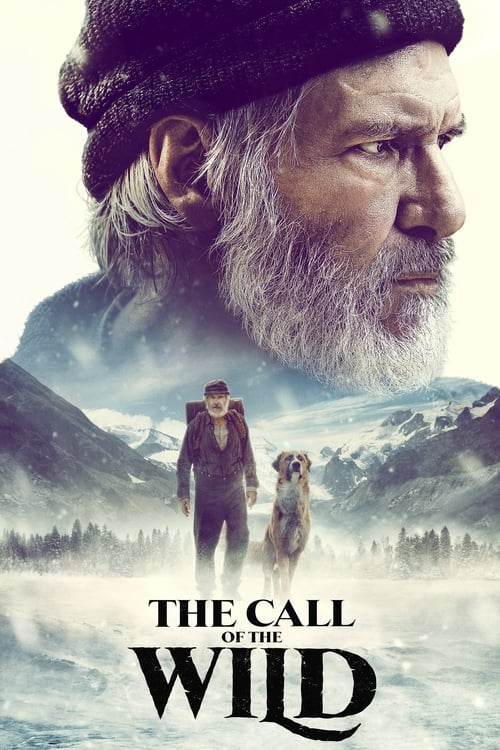
The Call of the Wild
Buck is a big-hearted dog whose blissful domestic life is turned upside down when he is suddenly uprooted from his California home and transplanted to the exotic wilds of the Yukon during the Gold Rush of the 1890s. As the newest rookie on a mail delivery dog sled team—and later its leader—Buck experiences the adventure of a lifetime, ultimately finding his true place in the world and becoming his own master.
Working with a considerable budget of $109.0M, the film achieved a respectable showing with $111.2M in global revenue (+2% profit margin).
1 win & 8 nominations


Plot Structure
Story beats plotted across runtime


Narrative Arc
Emotional journey through the story's key moments
Story Circle
Blueprint 15-beat structure
Arcplot Score Breakdown
Weighted: Precision (70%) + Arc (15%) + Theme (15%)
The Call of the Wild (2020) showcases meticulously timed plot construction, characteristic of Chris Sanders's storytelling approach. This structural analysis examines how the film's 15-point plot structure maps to proven narrative frameworks across 1 hour and 40 minutes. With an Arcplot score of 7.1, the film balances conventional beats with creative variation.
Characters
Cast & narrative archetypes

Buck
John Thornton
Hal
Perrault
Francoise
Mercedes
Main Cast & Characters
Buck
Played by Terry Notary
A large St. Bernard-Scotch Collie dog who transforms from pampered pet to wild sled dog leader in the Yukon.
John Thornton
Played by Harrison Ford
A grieving frontiersman seeking redemption in the wilderness who forms a deep bond with Buck.
Hal
Played by Dan Stevens
A cruel and incompetent gold seeker who abuses his sled dogs.
Perrault
Played by Omar Sy
A Canadian mail courier who purchases Buck and treats him with firm but fair leadership.
Francoise
Played by Cara Gee
Perrault's partner and fellow mail courier who shows compassion for the sled dogs.
Mercedes
Played by Karen Gillan
Hal's sister who is ill-prepared for Yukon life and enables his cruelty.
Structural Analysis
The Status Quo at 1 minutes (1% through the runtime) establishes Buck lives a pampered life as Judge Miller's beloved pet in California, running free and ruling the estate with playful dominance.. Notably, this early placement immediately immerses viewers in the story world.
The inciting incident occurs at 10 minutes when Buck is stolen by the Judge's gardener and sold to dog traders, beaten and caged for the first time in his life.. At 10% through the film, this Disruption aligns precisely with traditional story structure. This beat shifts the emotional landscape, launching the protagonist into the central conflict.
The First Threshold at 25 minutes marks the transition into Act II, occurring at 25% of the runtime. This indicates the protagonist's commitment to Buck defeats Spitz in a fight for pack leadership and becomes the lead dog, fully accepting his new role in the wild rather than yearning for his old life., moving from reaction to action.
At 49 minutes, the Midpoint arrives at 49% of the runtime—precisely centered, creating perfect narrative symmetry. The analysis reveals that this crucial beat Buck is sold to cruel and incompetent owners Hal and Mercedes who overload the sled and abuse the dogs, raising the stakes dramatically. The good times are over., fundamentally raising what's at risk. The emotional intensity shifts, dividing the narrative into clear before-and-after phases.
The Collapse moment at 73 minutes (73% through) represents the emotional nadir. Here, Buck collapses from exhaustion and refuses to cross unsafe ice. Hal beats him savagely. The other dogs and owners cross the ice and fall through to their deaths - Buck witnesses the whiff of death., reveals the protagonist at their lowest point. This beat's placement in the final quarter sets up the climactic reversal.
The Second Threshold at 78 minutes initiates the final act resolution at 78% of the runtime. Thornton releases Buck from his collar, telling him "You don't belong to me or anyone else." Buck realizes he can choose his own path - combining his learned survival skills with his wild nature., demonstrating the transformation achieved throughout the journey.
Emotional Journey
The Call of the Wild's emotional architecture traces a deliberate progression across 15 carefully calibrated beats.
Narrative Framework
This structural analysis employs proven narrative structure principles that track dramatic progression. By mapping The Call of the Wild against these established plot points, we can identify how Chris Sanders utilizes or subverts traditional narrative conventions. The plot point approach reveals not only adherence to structural principles but also creative choices that distinguish The Call of the Wild within the adventure genre.
Chris Sanders's Structural Approach
Among the 4 Chris Sanders films analyzed on Arcplot, the average structural score is 6.0, showcasing experimental approaches to narrative form. The Call of the Wild represents one of the director's most structurally precise works. For comparative analysis, explore the complete Chris Sanders filmography.
Comparative Analysis
Additional adventure films include The Black Stallion, The Bad Guys and Puss in Boots. For more Chris Sanders analyses, see Lilo & Stitch, The Croods and The Wild Robot.
Plot Points by Act
Act I
SetupStatus Quo
Buck lives a pampered life as Judge Miller's beloved pet in California, running free and ruling the estate with playful dominance.
Theme
The Judge tells Buck, "You've got to find your own way," foreshadowing Buck's journey to discover his true nature and where he truly belongs.
Worldbuilding
Buck's comfortable domestic life is established - his relationship with the Judge, his playful nature, and his position in the household. The gardener's debt is introduced.
Disruption
Buck is stolen by the Judge's gardener and sold to dog traders, beaten and caged for the first time in his life.
Resistance
Buck is transported to the Yukon and must learn the brutal rules of survival as a sled dog. Perrault purchases him and begins teaching him to work in harness.
Act II
ConfrontationFirst Threshold
Buck defeats Spitz in a fight for pack leadership and becomes the lead dog, fully accepting his new role in the wild rather than yearning for his old life.
Mirror World
Buck meets John Thornton, a grieving prospector living in isolation. Thornton represents the thematic bridge between civilization and wilderness - a man who has also lost his old life.
Premise
Buck excels as lead dog on mail runs through the Yukon. He experiences his primal instincts awakening, has visions of a wolf companion, and learns the ways of the wild.
Midpoint
Buck is sold to cruel and incompetent owners Hal and Mercedes who overload the sled and abuse the dogs, raising the stakes dramatically. The good times are over.
Opposition
Buck and the team suffer under Hal's brutal treatment. Dogs die from exhaustion and mistreatment. Buck's survival instincts sharpen as conditions worsen.
Collapse
Buck collapses from exhaustion and refuses to cross unsafe ice. Hal beats him savagely. The other dogs and owners cross the ice and fall through to their deaths - Buck witnesses the whiff of death.
Crisis
John Thornton nurses Buck back to health. Buck struggles between his growing love for Thornton and the increasingly powerful call of the wild he feels in his visions.
Act III
ResolutionSecond Threshold
Thornton releases Buck from his collar, telling him "You don't belong to me or anyone else." Buck realizes he can choose his own path - combining his learned survival skills with his wild nature.
Synthesis
Buck ventures into the wilderness, finding the white wolf from his visions and a wolf pack. When Thornton is killed, Buck avenges him, then fully embraces his wild nature and joins the wolf pack.
Transformation
Buck runs free as the alpha of his wolf pack through the Yukon wilderness, having found his true home and nature - a complete transformation from pampered pet to wild leader.