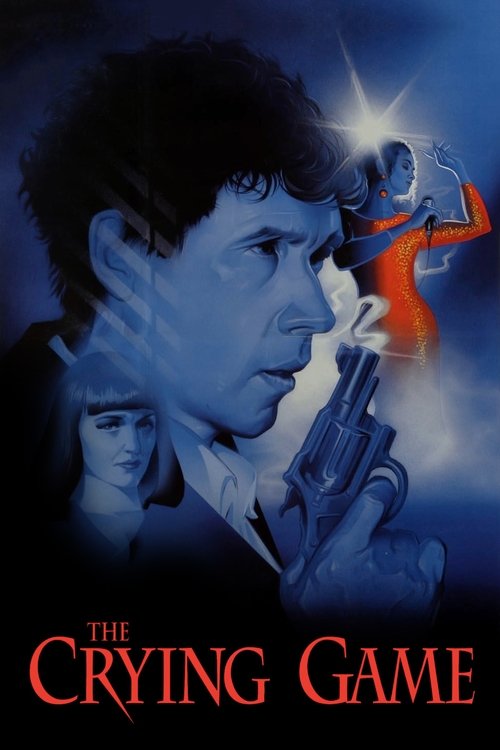
The Crying Game
Irish Republican Army member Fergus forms an unexpected bond with Jody, a kidnapped British soldier in his custody, despite the warnings of fellow IRA members Jude and Maguire. Jody makes Fergus promise he'll visit his girlfriend, Dil, in London, and when Fergus flees to the city, he seeks her out. Hounded by his former IRA colleagues, he finds himself increasingly drawn to the enigmatic, and surprising, Dil.
Despite its tight budget of $3.7M, The Crying Game became a commercial juggernaut, earning $62.5M worldwide—a remarkable 1588% return. The film's fresh perspective found its audience, showing that strong storytelling can transcend budget limitations.
1 Oscar. 22 wins & 46 nominations


Plot Structure
Story beats plotted across runtime


Narrative Arc
Emotional journey through the story's key moments
Story Circle
Blueprint 15-beat structure
Arcplot Score Breakdown
Weighted: Precision (70%) + Arc (15%) + Theme (15%)
The Crying Game (1992) showcases meticulously timed dramatic framework, characteristic of Neil Jordan's storytelling approach. This structural analysis examines how the film's 15-point plot structure maps to proven narrative frameworks across 1 hour and 52 minutes. With an Arcplot score of 6.6, the film balances conventional beats with creative variation.
Characters
Cast & narrative archetypes

Fergus
Dil
Jody
Jude
Maguire
Main Cast & Characters
Fergus
Played by Stephen Rea
IRA volunteer who guards a kidnapped British soldier and later seeks redemption in London while grappling with guilt and unexpected love.
Dil
Played by Jaye Davidson
A hairdresser in London who becomes romantically involved with Fergus, harboring a secret that transforms the story.
Jody
Played by Forest Whitaker
British soldier kidnapped by the IRA whose humanity and stories profoundly impact his captor Fergus.
Jude
Played by Miranda Richardson
Ruthless IRA operative who manipulates Fergus and later tracks him down in London to force him back into service.
Maguire
Played by Adrian Dunbar
IRA commander who oversees the kidnapping operation and enforces the organization's brutal decisions.
Structural Analysis
The Status Quo at 1 minutes (1% through the runtime) establishes At a carnival in Northern Ireland, IRA volunteer Fergus helps lure British soldier Jody into a trap using Jude as bait. Fergus is established as a reluctant operative caught in the machinery of political violence.. Of particular interest, this early placement immediately immerses viewers in the story world.
The inciting incident occurs at 13 minutes when British forces raid the farmhouse. Fergus cannot bring himself to execute Jody, but Jody is killed by a British armored vehicle while running away. This death and Fergus's failure to pull the trigger disrupts his identity as an IRA soldier.. At 12% through the film, this Disruption aligns precisely with traditional story structure. This beat shifts the emotional landscape, launching the protagonist into the central conflict.
The First Threshold at 28 minutes marks the transition into Act II, occurring at 25% of the runtime. This demonstrates the protagonist's commitment to Fergus makes the choice to visit the Metro bar where Dil works as a singer. By entering her world to fulfill his promise to Jody, he crosses from his fugitive existence into a new life where his identity will be fundamentally challenged., moving from reaction to action.
At 56 minutes, the Midpoint arrives at 50% of the runtime—precisely centered, creating perfect narrative symmetry. Of particular interest, this crucial beat Dil reveals that she is transgender. Fergus reacts violently at first, but the revelation forces him to confront everything he believed about identity, love, and human nature. The game changes completely—what seemed like a straightforward romance becomes something far more complex., fundamentally raising what's at risk. The emotional intensity shifts, dividing the narrative into clear before-and-after phases.
The Collapse moment at 84 minutes (75% through) represents the emotional nadir. Here, The IRA gives Fergus an ultimatum: carry out the assassination or they will kill Dil. Fergus appears trapped between his violent past and the new love he's found. His old life has caught up with him, threatening to destroy everything., reveals the protagonist at their lowest point. This beat's placement in the final quarter sets up the climactic reversal.
The Second Threshold at 90 minutes initiates the final act resolution at 80% of the runtime. Fergus chooses love over his IRA obligations. He decides to sabotage the assassination mission and protect Dil at any cost, fully embracing his transformed identity. The scorpion chooses not to sting—nature can be transcended., demonstrating the transformation achieved throughout the journey.
Emotional Journey
The Crying Game's emotional architecture traces a deliberate progression across 15 carefully calibrated beats.
Narrative Framework
This structural analysis employs structural analysis methodology used to understand storytelling architecture. By mapping The Crying Game against these established plot points, we can identify how Neil Jordan utilizes or subverts traditional narrative conventions. The plot point approach reveals not only adherence to structural principles but also creative choices that distinguish The Crying Game within the crime genre.
Neil Jordan's Structural Approach
Among the 10 Neil Jordan films analyzed on Arcplot, the average structural score is 7.2, reflecting strong command of classical structure. The Crying Game takes a more unconventional approach compared to the director's typical style. For comparative analysis, explore the complete Neil Jordan filmography.
Comparative Analysis
Additional crime films include The Bad Guys, Rustom and The Whole Ten Yards. For more Neil Jordan analyses, see The End of the Affair, The Brave One and Interview with the Vampire.
Plot Points by Act
Act I
SetupStatus Quo
At a carnival in Northern Ireland, IRA volunteer Fergus helps lure British soldier Jody into a trap using Jude as bait. Fergus is established as a reluctant operative caught in the machinery of political violence.
Theme
Jody tells Fergus the fable of the scorpion and the frog: "It's in my nature." This parable establishes the film's central question about whether people can transcend their nature and the roles assigned to them.
Worldbuilding
Fergus guards the kidnapped Jody in a remote farmhouse. Despite orders, Fergus develops genuine human connection with his prisoner. Jody shares stories about his life in London and his girlfriend Dil, making Fergus promise to look after her if he dies.
Disruption
British forces raid the farmhouse. Fergus cannot bring himself to execute Jody, but Jody is killed by a British armored vehicle while running away. This death and Fergus's failure to pull the trigger disrupts his identity as an IRA soldier.
Resistance
Fergus flees to London under the alias "Jimmy," abandoning the IRA. Haunted by Jody's ghost and his promise, he struggles with whether to seek out Dil. He takes a construction job and debates internally about honoring his word to a dead man.
Act II
ConfrontationFirst Threshold
Fergus makes the choice to visit the Metro bar where Dil works as a singer. By entering her world to fulfill his promise to Jody, he crosses from his fugitive existence into a new life where his identity will be fundamentally challenged.
Mirror World
Fergus meets Dil properly and begins courting her. Their developing relationship becomes the B-story that embodies the theme: Dil represents the possibility of love transcending boundaries, categories, and Fergus's violent past.
Premise
Fergus pursues a romance with Dil while trying to build a new identity as Jimmy. He protects her from an abusive ex, takes her on dates, and falls genuinely in love. The promise of the premise: a thriller becomes an unconventional love story as Fergus escapes his past.
Midpoint
Dil reveals that she is transgender. Fergus reacts violently at first, but the revelation forces him to confront everything he believed about identity, love, and human nature. The game changes completely—what seemed like a straightforward romance becomes something far more complex.
Opposition
Jude and Maguire track Fergus to London and pressure him to participate in an assassination of a judge. Meanwhile, Fergus struggles to reconcile his feelings for Dil with societal expectations. The IRA represents his old nature closing in while love offers transformation.
Collapse
The IRA gives Fergus an ultimatum: carry out the assassination or they will kill Dil. Fergus appears trapped between his violent past and the new love he's found. His old life has caught up with him, threatening to destroy everything.
Crisis
Fergus tries to protect Dil by cutting her hair and disguising her as a boy, attempting to hide her from the IRA. He grapples with the impossibility of his situation—there seems to be no way to save both Dil and himself from his past.
Act III
ResolutionSecond Threshold
Fergus chooses love over his IRA obligations. He decides to sabotage the assassination mission and protect Dil at any cost, fully embracing his transformed identity. The scorpion chooses not to sting—nature can be transcended.
Synthesis
The assassination attempt goes wrong. Dil, having discovered the truth about Jody's death, kills Jude. Fergus deliberately takes the blame for the murder to protect Dil, completing his transformation from IRA soldier to self-sacrificing lover.
Transformation
In prison, Fergus receives a visit from Dil. She tells him the story of the scorpion and the frog, bookending the film. Fergus smiles—he has proven that nature can be overcome. Love has transformed him from a man of violence into someone capable of ultimate sacrifice.