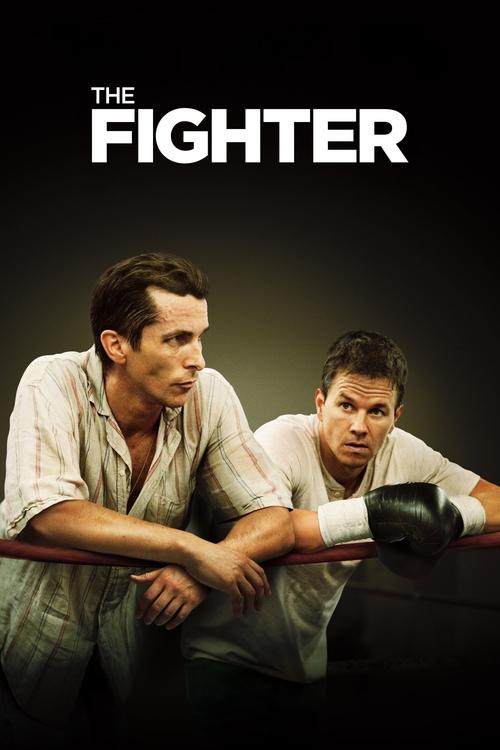
The Fighter
Boxer "Irish" Micky Ward's unlikely road to the world light welterweight title. His Rocky-like rise was shepherded by half-brother Dicky, a boxer-turned-trainer who rebounded in life after nearly being KO'd by drugs and crime.
Despite a moderate budget of $25.0M, The Fighter became a solid performer, earning $129.2M worldwide—a 417% return.
2 Oscars. 74 wins & 123 nominations


Plot Structure
Story beats plotted across runtime


Narrative Arc
Emotional journey through the story's key moments
Story Circle
Blueprint 15-beat structure
Arcplot Score Breakdown
Weighted: Precision (70%) + Arc (15%) + Theme (15%)
The Fighter (2010) demonstrates strategically placed plot construction, characteristic of David O. Russell's storytelling approach. This structural analysis examines how the film's 15-point plot structure maps to proven narrative frameworks across 1 hour and 56 minutes. With an Arcplot score of 7.1, the film balances conventional beats with creative variation.
Characters
Cast & narrative archetypes

Micky Ward
Dicky Eklund
Charlene Fleming
Alice Ward
Mickey O'Keefe
Main Cast & Characters
Micky Ward
Played by Mark Wahlberg
A struggling boxer from Lowell trying to step out of his half-brother's shadow and make his own mark in the ring.
Dicky Eklund
Played by Christian Bale
Micky's charismatic but troubled older half-brother, a former boxer living off past glory while battling crack addiction.
Charlene Fleming
Played by Amy Adams
A tough, independent bartender who becomes Micky's girlfriend and pushes him to take control of his career.
Alice Ward
Played by Melissa Leo
Micky and Dicky's domineering mother and manager, fiercely protective of both sons but often enabling dysfunction.
Mickey O'Keefe
Played by Mickey O'Keefe
Micky's loyal, no-nonsense police officer trainer who believes in his potential.
Structural Analysis
The Status Quo at 1 minutes (1% through the runtime) establishes Micky Ward shadow boxes in his Lowell bedroom, waiting for his brother Dicky to train him. He lives in his dysfunctional family's world, a talented fighter overshadowed by his has-been brother and domineering mother.. Significantly, this early placement immediately immerses viewers in the story world.
The inciting incident occurs at 14 minutes when Micky takes a last-minute fight against an opponent 20 pounds heavier. He's brutally beaten and humiliated in the ring. This devastating loss makes it impossible to continue accepting his family's mismanagement.. At 12% through the film, this Disruption aligns precisely with traditional story structure. This beat shifts the emotional landscape, launching the protagonist into the central conflict.
The First Threshold at 31 minutes marks the transition into Act II, occurring at 26% of the runtime. This illustrates the protagonist's commitment to Micky fires his mother and Dicky, choosing to train with Mickey O'Keefe and sign with a new manager. This is his active decision to break from his family and pursue his own path, despite their anger and guilt-tripping., moving from reaction to action.
At 57 minutes, the Midpoint arrives at 49% of the runtime—precisely centered, creating perfect narrative symmetry. Significantly, this crucial beat Micky gets offered a title fight in Las Vegas—a false victory. It seems like everything is working out, but the family chaos isn't resolved. Dicky, freshly arrested, watches Micky's victory on TV from prison, creating tension about whether success is possible without reconciliation., fundamentally raising what's at risk. The emotional intensity shifts, dividing the narrative into clear before-and-after phases.
The Collapse moment at 83 minutes (72% through) represents the emotional nadir. Here, Micky loses his crucial title eliminator fight, breaking his hand. His dream dies. The loss comes from being emotionally fractured—unable to commit fully because of family turmoil. He contemplates retiring from boxing permanently., reveals the protagonist at their lowest point. This beat's placement in the final quarter sets up the climactic reversal.
The Second Threshold at 91 minutes initiates the final act resolution at 78% of the runtime. Dicky, truly sober and humble, convinces Micky to take the title fight with one condition: Dicky trains him, but on Micky's terms with boundaries. Micky realizes he can have both—family AND self-respect—if the family changes. Everyone agrees to new terms., demonstrating the transformation achieved throughout the journey.
Emotional Journey
The Fighter's emotional architecture traces a deliberate progression across 15 carefully calibrated beats.
Narrative Framework
This structural analysis employs systematic plot point analysis that identifies crucial turning points. By mapping The Fighter against these established plot points, we can identify how David O. Russell utilizes or subverts traditional narrative conventions. The plot point approach reveals not only adherence to structural principles but also creative choices that distinguish The Fighter within the drama genre.
David O. Russell's Structural Approach
Among the 8 David O. Russell films analyzed on Arcplot, the average structural score is 7.0, demonstrating varied approaches to story architecture. The Fighter represents one of the director's most structurally precise works. For comparative analysis, explore the complete David O. Russell filmography.
Comparative Analysis
Additional drama films include After Thomas, South Pacific and Dirty Dancing: Havana Nights. For more David O. Russell analyses, see Silver Linings Playbook, American Hustle and Three Kings.
Plot Points by Act
Act I
SetupStatus Quo
Micky Ward shadow boxes in his Lowell bedroom, waiting for his brother Dicky to train him. He lives in his dysfunctional family's world, a talented fighter overshadowed by his has-been brother and domineering mother.
Theme
Dicky tells the HBO camera crew: "I'm gonna get back the title. And then I'm gonna train my brother Micky to get a title shot." The theme of redemption through family loyalty vs. self-actualization is established.
Worldbuilding
Introduction to the Ward family ecosystem: Alice manages both sons, seven sisters constantly interfere, Dicky is Micky's trainer but a crack addict. Micky is loyal but trapped. The HBO crew follows Dicky, who believes it's about his comeback, not his addiction.
Disruption
Micky takes a last-minute fight against an opponent 20 pounds heavier. He's brutally beaten and humiliated in the ring. This devastating loss makes it impossible to continue accepting his family's mismanagement.
Resistance
Micky meets Charlene, a bartender who sees his potential. He debates whether to continue with his family or quit boxing entirely. Dicky disappears into crack houses. The HBO documentary airs, revealing it's about Dicky's addiction, not his comeback—humiliating the family.
Act II
ConfrontationFirst Threshold
Micky fires his mother and Dicky, choosing to train with Mickey O'Keefe and sign with a new manager. This is his active decision to break from his family and pursue his own path, despite their anger and guilt-tripping.
Mirror World
Micky's relationship with Charlene deepens. She represents the outside world, self-respect, and the possibility of success without toxic family dynamics. She becomes his emotional anchor and thematic guide.
Premise
Micky trains properly for the first time and wins three consecutive fights. His career takes off. The promise of the premise: watching a talented underdog finally get his shot. Meanwhile, Dicky spirals deeper into addiction and crime.
Midpoint
Micky gets offered a title fight in Las Vegas—a false victory. It seems like everything is working out, but the family chaos isn't resolved. Dicky, freshly arrested, watches Micky's victory on TV from prison, creating tension about whether success is possible without reconciliation.
Opposition
The family war intensifies. Alice and the sisters attack Charlene. Micky is torn between two worlds. His training suffers. Dicky gets out of prison and wants back in. The pressure to reunite the family threatens to derail everything Micky has built.
Collapse
Micky loses his crucial title eliminator fight, breaking his hand. His dream dies. The loss comes from being emotionally fractured—unable to commit fully because of family turmoil. He contemplates retiring from boxing permanently.
Crisis
Micky sits in darkness with his broken hand and broken dreams. Dicky, now sober, trains alone in the gym, finally taking responsibility. The family must confront whether they can change or if they'll destroy Micky's last chance.
Act III
ResolutionSecond Threshold
Dicky, truly sober and humble, convinces Micky to take the title fight with one condition: Dicky trains him, but on Micky's terms with boundaries. Micky realizes he can have both—family AND self-respect—if the family changes. Everyone agrees to new terms.
Synthesis
The championship fight against Shea Neary. Dicky coaches Micky brilliantly, now present and focused. The family supports without smothering. Charlene watches proudly. Micky uses everything he's learned—his skill, Dicky's strategy, and his own hard-won self-respect—to win the welterweight title.
Transformation
Micky and Dicky stand together as champion and trainer, a healed family surrounding them. The final image mirrors the opening: brothers together, but transformed. Micky is no longer in anyone's shadow. Dicky is sober and selfless. The family has learned to support rather than consume.