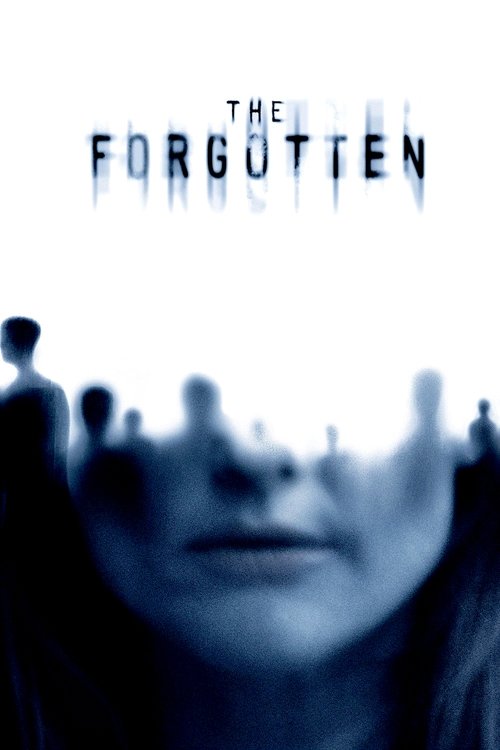
The Forgotten
Telly Paretta is a grieving mother struggling to cope with the loss of her 8-year-old son. She is stunned when her psychiatrist reveals that she has created eight years of memories about a son she never had. But when she meets a man who has had a similar experience, Telly embarks on a search to prove her son's existence, and her sanity.
Despite a mid-range budget of $42.0M, The Forgotten became a box office success, earning $117.6M worldwide—a 180% return.


Plot Structure
Story beats plotted across runtime


Narrative Arc
Emotional journey through the story's key moments
Story Circle
Blueprint 15-beat structure
Arcplot Score Breakdown
Weighted: Precision (70%) + Arc (15%) + Theme (15%)
The Forgotten (2004) reveals carefully calibrated dramatic framework, characteristic of Joseph Ruben's storytelling approach. This structural analysis examines how the film's 15-point plot structure maps to proven narrative frameworks across 1 hour and 31 minutes. With an Arcplot score of 7.0, the film balances conventional beats with creative variation.
Characters
Cast & narrative archetypes

Telly Paretta
Ash Correll
Dr. Jack Munce
Jim Paretta
Agent Anne Pope
The Stranger
Main Cast & Characters
Telly Paretta
Played by Julianne Moore
A mother who refuses to believe her son never existed despite everyone telling her she's delusional.
Ash Correll
Played by Dominic West
A former hockey player who initially doesn't remember his daughter but joins Telly's search for truth.
Dr. Jack Munce
Played by Gary Sinise
Telly's psychiatrist who insists her memories of her son are elaborate delusions from grief.
Jim Paretta
Played by Anthony Edwards
Telly's husband who claims to have no memory of their son and believes she needs help.
Agent Anne Pope
Played by Alfre Woodard
An NSA agent investigating the strange occurrences surrounding Telly and the disappeared children.
The Stranger
Played by Linus Roache
A mysterious and powerful being who seems to control reality and the memories of others.
Structural Analysis
The Status Quo at 1 minutes (1% through the runtime) establishes Telly Paretta sits alone in her apartment, surrounded by photos and videos of her son Sam. She is deeply depressed, mourning the child she lost in a plane crash 14 months ago.. Structural examination shows that this early placement immediately immerses viewers in the story world.
The inciting incident occurs at 11 minutes when Telly discovers that all photos of Sam have vanished from her albums - faces cut out or erased. Her husband Jim claims they never had a son, that her pregnancy ended in miscarriage. Her entire reality begins to unravel.. At 12% through the film, this Disruption aligns precisely with traditional story structure. This beat shifts the emotional landscape, launching the protagonist into the central conflict.
The First Threshold at 23 minutes marks the transition into Act II, occurring at 25% of the runtime. This demonstrates the protagonist's commitment to Ash initially has no memory of his daughter Lauren, but when Telly pushes him, his memories come flooding back. Together, they make the active choice to uncover the truth, even as mysterious agents begin pursuing them., moving from reaction to action.
At 46 minutes, the Midpoint arrives at 50% of the runtime—precisely centered, creating perfect narrative symmetry. The analysis reveals that this crucial beat A mysterious man reveals the truth: aliens are conducting an experiment on human-child bonding, attempting to erase the children from memory. The stakes raise dramatically - this isn't a government conspiracy, but an otherworldly test of maternal love and memory., fundamentally raising what's at risk. The emotional intensity shifts, dividing the narrative into clear before-and-after phases.
The Collapse moment at 68 minutes (75% through) represents the emotional nadir. Here, Ash is taken by the aliens and disappears into the sky. Telly is now completely alone, with no one left who remembers the children. The alien presence confronts her directly, demanding she forget. Her darkest moment - total isolation in her truth., shows the protagonist at their lowest point. This beat's placement in the final quarter sets up the climactic reversal.
The Second Threshold at 73 minutes initiates the final act resolution at 80% of the runtime. Telly refuses to forget. She screams her defiance at the alien presence, declaring that nothing can make her forget her son. Her absolute conviction - her love - breaks the experiment. The power of maternal memory proves stronger than the alien technology., demonstrating the transformation achieved throughout the journey.
Emotional Journey
The Forgotten's emotional architecture traces a deliberate progression across 15 carefully calibrated beats.
Narrative Framework
This structural analysis employs structural analysis methodology used to understand storytelling architecture. By mapping The Forgotten against these established plot points, we can identify how Joseph Ruben utilizes or subverts traditional narrative conventions. The plot point approach reveals not only adherence to structural principles but also creative choices that distinguish The Forgotten within the thriller genre.
Joseph Ruben's Structural Approach
Among the 4 Joseph Ruben films analyzed on Arcplot, the average structural score is 7.2, reflecting strong command of classical structure. The Forgotten takes a more unconventional approach compared to the director's typical style. For comparative analysis, explore the complete Joseph Ruben filmography.
Comparative Analysis
Additional thriller films include The Warriors, Thunderball and Rustom. For more Joseph Ruben analyses, see Money Train, The Good Son and Dreamscape.
Plot Points by Act
Act I
SetupStatus Quo
Telly Paretta sits alone in her apartment, surrounded by photos and videos of her son Sam. She is deeply depressed, mourning the child she lost in a plane crash 14 months ago.
Theme
Telly's psychiatrist Dr. Munce suggests that holding onto memories can sometimes prevent healing, hinting at the central question: What defines our reality - memories or what others tell us is true?
Worldbuilding
Telly's world of grief is established. We see her strained relationship with her husband Jim, her therapy sessions, and her obsessive preservation of Sam's memory through photos, videos, and his bedroom shrine.
Disruption
Telly discovers that all photos of Sam have vanished from her albums - faces cut out or erased. Her husband Jim claims they never had a son, that her pregnancy ended in miscarriage. Her entire reality begins to unravel.
Resistance
Telly resists the gaslighting. Dr. Munce claims she created false memories as a coping mechanism. Even strangers who should remember Sam have no recollection. She finds one piece of evidence - a drawing - and seeks out Ash Correll, another parent from Sam's class.
Act II
ConfrontationFirst Threshold
Ash initially has no memory of his daughter Lauren, but when Telly pushes him, his memories come flooding back. Together, they make the active choice to uncover the truth, even as mysterious agents begin pursuing them.
Mirror World
Telly and Ash form a bond as the only two people who remember their children. Their partnership represents the thematic truth: shared memory and belief validate reality. They become each other's proof that they're not insane.
Premise
Telly and Ash evade mysterious agents and investigative authorities, piecing together clues about their children. They discover a conspiracy involving memory manipulation, and encounter increasingly surreal phenomena - including people being physically pulled into the sky.
Midpoint
A mysterious man reveals the truth: aliens are conducting an experiment on human-child bonding, attempting to erase the children from memory. The stakes raise dramatically - this isn't a government conspiracy, but an otherworldly test of maternal love and memory.
Opposition
The aliens intensify their efforts to make Telly forget. They manipulate reality, pull people away, and create increasingly impossible situations. Telly faces her husband who has now been given false memories that Sam never existed. Her grip on reality weakens.
Collapse
Ash is taken by the aliens and disappears into the sky. Telly is now completely alone, with no one left who remembers the children. The alien presence confronts her directly, demanding she forget. Her darkest moment - total isolation in her truth.
Crisis
Telly faces the alien entity alone in a surreal hangar. She is emotionally broken down, forced to question her own sanity one final time. The alien tries to convince her that letting go is the only way to end her pain.
Act III
ResolutionSecond Threshold
Telly refuses to forget. She screams her defiance at the alien presence, declaring that nothing can make her forget her son. Her absolute conviction - her love - breaks the experiment. The power of maternal memory proves stronger than the alien technology.
Synthesis
Reality resets. The experiment fails. Telly wakes up in a park where Sam and the other children are playing, returned. The aliens' superior overrides the experiment. Everyone's memories are restored - the children were never gone, the abduction never happened in this restored timeline.
Transformation
Telly is reunited with Sam at a playground, her husband at her side. Unlike the isolated, grieving woman from the opening, she is now whole, vindicated, and surrounded by her family. Her love and memory proved unbreakable.