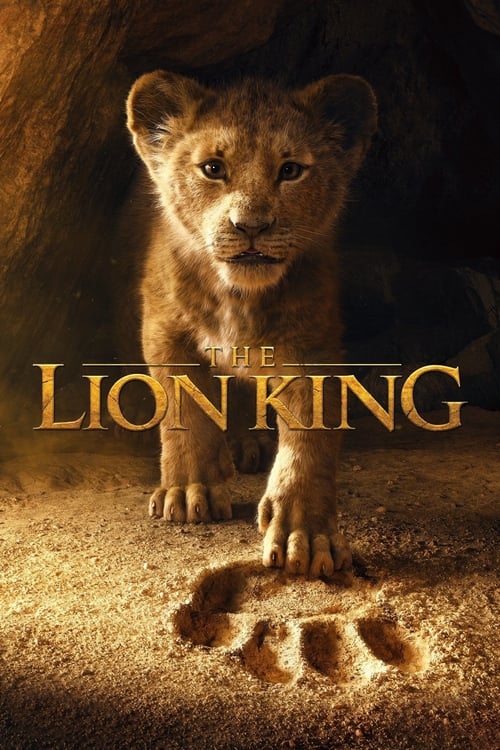
The Lion King
Simba idolizes his father, King Mufasa, and takes to heart his own royal destiny. But not everyone in the kingdom celebrates the new cub's arrival. Scar, Mufasa's brother—and former heir to the throne—has plans of his own. The battle for Pride Rock is ravaged with betrayal, tragedy and drama, ultimately resulting in Simba's exile. With help from a curious pair of newfound friends, Simba will have to figure out how to grow up and take back what is rightfully his.
Despite a blockbuster budget of $260.0M, The Lion King became a massive hit, earning $1662.0M worldwide—a remarkable 539% return. This commercial performance validated the ambitious narrative scope, showing that audiences embrace fresh perspective even at blockbuster scale.
Nominated for 1 Oscar. 21 wins & 44 nominations


Plot Structure
Story beats plotted across runtime


Narrative Arc
Emotional journey through the story's key moments
Story Circle
Blueprint 15-beat structure
Arcplot Score Breakdown
Weighted: Precision (70%) + Arc (15%) + Theme (15%)
The Lion King (2019) showcases deliberately positioned narrative architecture, characteristic of Jon Favreau's storytelling approach. This structural analysis examines how the film's 15-point plot structure maps to proven narrative frameworks across 1 hour and 58 minutes. With an Arcplot score of 7.2, the film balances conventional beats with creative variation.
Structural Analysis
The Status Quo at 1 minutes (1% through the runtime) establishes The Circle of Life presentation at Pride Rock. All animals gather to celebrate Simba's birth, establishing the peaceful kingdom under Mufasa's rule and showing Simba's destined place as future king.. Notably, this early placement immediately immerses viewers in the story world.
The inciting incident occurs at 13 minutes when Scar lures Simba into the gorge under false pretenses, setting up the wildebeest stampede. The plot to kill Mufasa is set in motion, disrupting Simba's innocent world.. At 11% through the film, this Disruption aligns precisely with traditional story structure. This beat shifts the emotional landscape, launching the protagonist into the central conflict.
The First Threshold at 28 minutes marks the transition into Act II, occurring at 24% of the runtime. This shows the protagonist's commitment to Simba chooses to exile himself from the Pride Lands, crossing into the desert. He actively accepts his guilt and abandons his responsibility, entering a new world of isolation and survival., moving from reaction to action.
At 59 minutes, the Midpoint arrives at 50% of the runtime—precisely centered, creating perfect narrative symmetry. Of particular interest, this crucial beat Nala discovers adult Simba alive. This false victory (reunion with childhood friend and love) immediately becomes complicated when Nala reveals the Pride Lands are dying under Scar. Simba must now confront the life he abandoned. Stakes are raised., fundamentally raising what's at risk. The emotional intensity shifts, dividing the narrative into clear before-and-after phases.
The Collapse moment at 87 minutes (74% through) represents the emotional nadir. Here, Rafiki leads Simba to the water where he sees his reflection transform into Mufasa. Mufasa's ghost appears: "You have forgotten who you are... Remember who you are. You are my son and the one true king." Simba confronts the death of his innocent self and false identity., indicates the protagonist at their lowest point. This beat's placement in the final quarter sets up the climactic reversal.
The Second Threshold at 94 minutes initiates the final act resolution at 80% of the runtime. Simba makes the active choice to return to the Pride Lands. He synthesizes the lesson: he cannot run from his past, he must face it and reclaim his identity. "I know what I have to do. But going back means I'll have to face my past."., demonstrating the transformation achieved throughout the journey.
Emotional Journey
The Lion King's emotional architecture traces a deliberate progression across 15 carefully calibrated beats.
Narrative Framework
This structural analysis employs a 15-point narrative structure framework that maps key story moments. By mapping The Lion King against these established plot points, we can identify how Jon Favreau utilizes or subverts traditional narrative conventions. The plot point approach reveals not only adherence to structural principles but also creative choices that distinguish The Lion King within the adventure genre.
Jon Favreau's Structural Approach
Among the 8 Jon Favreau films analyzed on Arcplot, the average structural score is 6.8, demonstrating varied approaches to story architecture. The Lion King represents one of the director's most structurally precise works. For comparative analysis, explore the complete Jon Favreau filmography.
Comparative Analysis
Additional adventure films include The Black Stallion, The Bad Guys and Puss in Boots. For more Jon Favreau analyses, see Made, Iron Man 2 and The Jungle Book.
Plot Points by Act
Act I
SetupStatus Quo
The Circle of Life presentation at Pride Rock. All animals gather to celebrate Simba's birth, establishing the peaceful kingdom under Mufasa's rule and showing Simba's destined place as future king.
Theme
Mufasa teaches young Simba about the Circle of Life: "Everything you see exists together in a delicate balance. As king, you need to understand that balance and respect all creatures." The theme of responsibility, legacy, and finding one's place in the natural order.
Worldbuilding
Establishing the Pride Lands ecosystem, Simba's playful relationship with Nala, Mufasa's wisdom as king, Scar's jealousy and scheming, Zazu as majordomo. Shows Simba's eagerness to be king without understanding the responsibility.
Disruption
Scar lures Simba into the gorge under false pretenses, setting up the wildebeest stampede. The plot to kill Mufasa is set in motion, disrupting Simba's innocent world.
Resistance
The stampede sequence where Mufasa saves Simba but is betrayed and killed by Scar. Scar manipulates Simba into believing he caused his father's death. Simba debates whether to return home or flee. Scar plants the idea: "Run away and never return."
Act II
ConfrontationFirst Threshold
Simba chooses to exile himself from the Pride Lands, crossing into the desert. He actively accepts his guilt and abandons his responsibility, entering a new world of isolation and survival.
Mirror World
Timon and Pumbaa rescue Simba from vultures and introduce him to "Hakuna Matata" - a philosophy directly opposing Mufasa's teaching about responsibility. They become the thematic counterpoint: carefree living vs. dutiful purpose.
Premise
Simba grows up with Timon and Pumbaa, living carefree and avoiding responsibility. The "promise of the premise" - watching Simba enjoy a life without worries, hunting bugs, relaxing. Meanwhile, the Pride Lands deteriorate under Scar's rule.
Midpoint
Nala discovers adult Simba alive. This false victory (reunion with childhood friend and love) immediately becomes complicated when Nala reveals the Pride Lands are dying under Scar. Simba must now confront the life he abandoned. Stakes are raised.
Opposition
Nala pressures Simba to return and take his place as king. Simba refuses, clinging to his guilt and Hakuna Matata philosophy. The internal antagonist (his shame and fear) gains ground. Rafiki appears to guide him, but Simba resists facing his past.
Collapse
Rafiki leads Simba to the water where he sees his reflection transform into Mufasa. Mufasa's ghost appears: "You have forgotten who you are... Remember who you are. You are my son and the one true king." Simba confronts the death of his innocent self and false identity.
Crisis
Simba processes Mufasa's message and the weight of his true identity. He grapples with returning to face his past, his guilt, and the responsibility he fled. The dark night before the dawn of realization.
Act III
ResolutionSecond Threshold
Simba makes the active choice to return to the Pride Lands. He synthesizes the lesson: he cannot run from his past, he must face it and reclaim his identity. "I know what I have to do. But going back means I'll have to face my past."
Synthesis
Simba returns to Pride Rock with Nala, Timon, and Pumbaa. Confronts Scar and the truth is revealed - Scar killed Mufasa, not Simba. Final battle ensues. Simba defeats Scar, the hyenas turn on Scar, and rain returns to the Pride Lands. Balance is restored.
Transformation
Simba ascends Pride Rock and roars as king, mirroring the opening presentation. The Circle of Life continues as Simba and Nala present their own cub. Simba has transformed from a cub fleeing responsibility to a king who understands his place in the great Circle of Life.