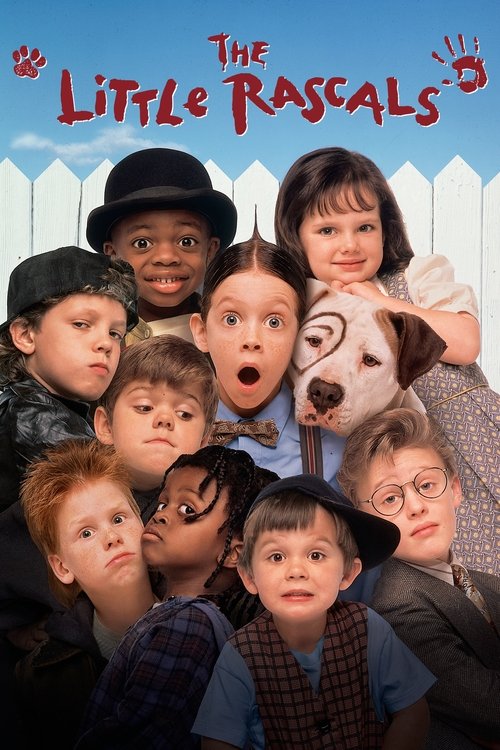
The Little Rascals
When nine-year-old Alfalfa falls for Darla, his "He-Man-Woman-Hating" friends attempt to sabotage their relationship.
The film earned $67.3M at the global box office.
2 wins & 1 nomination


Plot Structure
Story beats plotted across runtime


Narrative Arc
Emotional journey through the story's key moments
Story Circle
Blueprint 15-beat structure
Arcplot Score Breakdown
Weighted: Precision (70%) + Arc (15%) + Theme (15%)
The Little Rascals (1994) showcases carefully calibrated narrative architecture, characteristic of Penelope Spheeris's storytelling approach. This structural analysis examines how the film's 15-point plot structure maps to proven narrative frameworks across 1 hour and 22 minutes. With an Arcplot score of 7.7, the film showcases strong structural fundamentals.
Structural Analysis
The Status Quo at 1 minutes (1% through the runtime) establishes The He-Man Woman Haters Club meets in their clubhouse, bonding over their shared disdain for girls. Spanky and the boys are living their best lives in their carefree, girls-are-icky world.. Structural examination shows that this early placement immediately immerses viewers in the story world.
The inciting incident occurs at 9 minutes when Spanky catches Alfalfa on a secret romantic picnic with Darla, directly violating the club's cardinal rule. Alfalfa has betrayed the brotherhood for a girl, shattering the status quo of the He-Man Woman Haters Club.. At 11% through the film, this Disruption aligns precisely with traditional story structure. This beat shifts the emotional landscape, launching the protagonist into the central conflict.
The First Threshold at 20 minutes marks the transition into Act II, occurring at 25% of the runtime. This demonstrates the protagonist's commitment to Alfalfa is officially kicked out of the He-Man Woman Haters Club. He chooses to accept his banishment rather than give up Darla, entering a new world where he must navigate romance while fighting to regain his friends' trust., moving from reaction to action.
At 40 minutes, the Midpoint arrives at 49% of the runtime—precisely centered, creating perfect narrative symmetry. Significantly, this crucial beat The gang reconciles with Alfalfa and allows him to be their driver in the big race. False victory: everything seems to be coming together - friendship restored, romance blooming, and a shot at winning the money they need., fundamentally raising what's at risk. The emotional intensity shifts, dividing the narrative into clear before-and-after phases.
The Collapse moment at 60 minutes (73% through) represents the emotional nadir. Here, Alfalfa misses the race to attend the ballet with Darla, but arrives to find her with Waldo instead. He's lost both his friends (who are furious he abandoned them) and his girl. Complete emotional devastation - he has nothing left., illustrates the protagonist at their lowest point. This beat's placement in the final quarter sets up the climactic reversal.
The Second Threshold at 65 minutes initiates the final act resolution at 79% of the runtime. Spanky realizes that friendship is more important than pride or rules. He reaches out to Alfalfa, and they understand that true loyalty means accepting each other as they are. The gang reunites with a new understanding: brotherhood doesn't mean hating girls., demonstrating the transformation achieved throughout the journey.
Emotional Journey
The Little Rascals's emotional architecture traces a deliberate progression across 15 carefully calibrated beats.
Narrative Framework
This structural analysis employs structural analysis methodology used to understand storytelling architecture. By mapping The Little Rascals against these established plot points, we can identify how Penelope Spheeris utilizes or subverts traditional narrative conventions. The plot point approach reveals not only adherence to structural principles but also creative choices that distinguish The Little Rascals within the romance genre.
Penelope Spheeris's Structural Approach
Among the 5 Penelope Spheeris films analyzed on Arcplot, the average structural score is 7.2, reflecting strong command of classical structure. The Little Rascals represents one of the director's most structurally precise works. For comparative analysis, explore the complete Penelope Spheeris filmography.
Comparative Analysis
Additional romance films include South Pacific, Dirty Dancing: Havana Nights and The Evening Star. For more Penelope Spheeris analyses, see Black Sheep, The Beverly Hillbillies and Wayne's World.
Plot Points by Act
Act I
SetupStatus Quo
The He-Man Woman Haters Club meets in their clubhouse, bonding over their shared disdain for girls. Spanky and the boys are living their best lives in their carefree, girls-are-icky world.
Theme
Alfalfa warns the gang that "a woman is like a flame - she can warm your heart or burn down your house." The theme of loyalty vs. love is introduced, though Alfalfa himself doesn't yet understand its meaning.
Worldbuilding
Introduction to the Rascals' world: their clubhouse, their rules, their pranks. We meet the ensemble cast including Spanky (the leader), Alfalfa, Buckwheat, Porky, and Darla (the girl who will change everything). The boys' anti-girl philosophy is established.
Disruption
Spanky catches Alfalfa on a secret romantic picnic with Darla, directly violating the club's cardinal rule. Alfalfa has betrayed the brotherhood for a girl, shattering the status quo of the He-Man Woman Haters Club.
Resistance
The club debates what to do about Alfalfa's betrayal. Spanky struggles with whether to punish his best friend. Alfalfa tries to defend himself and hide his relationship with Darla, but the evidence mounts. The gang prepares for a tribunal.
Act II
ConfrontationFirst Threshold
Alfalfa is officially kicked out of the He-Man Woman Haters Club. He chooses to accept his banishment rather than give up Darla, entering a new world where he must navigate romance while fighting to regain his friends' trust.
Mirror World
Alfalfa's relationship with Darla deepens. She represents the thematic counterpoint - showing that love and friendship can coexist, and that girls aren't the enemy. She teaches him about loyalty of a different kind.
Premise
Alfalfa tries to win Darla's affection while also attempting to rebuild bridges with the club. Meanwhile, the clubhouse burns down in an accident. The boys must raise money for a new one by entering the go-cart race, leading to comedic training montages and schemes.
Midpoint
The gang reconciles with Alfalfa and allows him to be their driver in the big race. False victory: everything seems to be coming together - friendship restored, romance blooming, and a shot at winning the money they need.
Opposition
Complications arise as Alfalfa tries to balance his commitment to the race with his promise to take Darla to the ballet. The rich rival Waldo enters the picture as competition for Darla's affection. Butch and Woim sabotage the Rascals' go-cart. Tensions mount.
Collapse
Alfalfa misses the race to attend the ballet with Darla, but arrives to find her with Waldo instead. He's lost both his friends (who are furious he abandoned them) and his girl. Complete emotional devastation - he has nothing left.
Crisis
Alfalfa wanders in despair, having lost everything. The other Rascals also face their dark night, realizing their clubhouse dream is gone and their friendship is fractured. Both sides process their losses and what really matters.
Act III
ResolutionSecond Threshold
Spanky realizes that friendship is more important than pride or rules. He reaches out to Alfalfa, and they understand that true loyalty means accepting each other as they are. The gang reunites with a new understanding: brotherhood doesn't mean hating girls.
Synthesis
The reunited Rascals work together to rebuild their go-cart and enter a second chance race. They execute elaborate plans to defeat Butch and Waldo. Alfalfa wins back Darla by being honest. The gang wins the race through teamwork and ingenuity.
Transformation
The He-Man Woman Haters Club is reformed as the "He-Man Woman Likers Club." The boys embrace a new philosophy where friendship and romance can coexist. Alfalfa and Darla are together, the clubhouse is rebuilt, and the gang is stronger than ever.