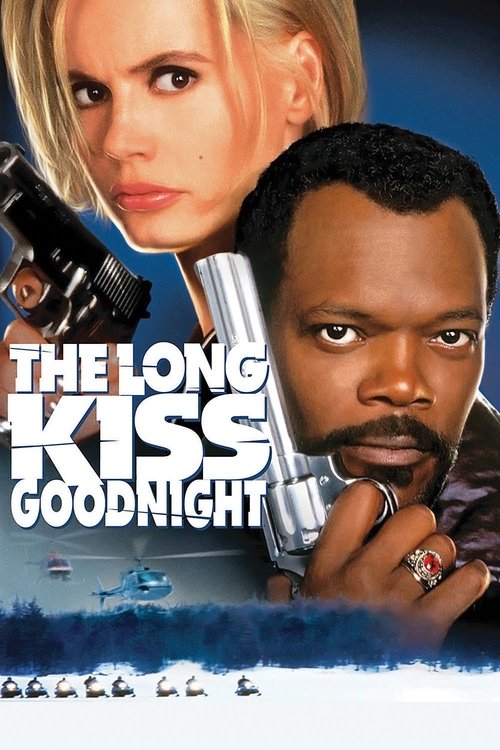
The Long Kiss Goodnight
Samantha Caine is a small-town schoolteacher and mom with no memory of her life before washing up on a beach eight years ago. After a car accident and a violent home invasion trigger flashes of her past, she discovers she used to be a deadly CIA assassin. Teaming up with a wisecracking private investigator, Samantha must return to her old ways to take down the people who tried to erase her.
Working with a moderate budget of $65.0M, the film achieved a steady performer with $89.5M in global revenue (+38% profit margin).


Plot Structure
Story beats plotted across runtime


Narrative Arc
Emotional journey through the story's key moments
Story Circle
Blueprint 15-beat structure
Arcplot Score Breakdown
Weighted: Precision (70%) + Arc (15%) + Theme (15%)
The Long Kiss Goodnight (1996) showcases deliberately positioned narrative design, characteristic of Renny Harlin's storytelling approach. This structural analysis examines how the film's 15-point plot structure maps to proven narrative frameworks across 2 hours and 1 minutes. With an Arcplot score of 7.2, the film balances conventional beats with creative variation.
Structural Analysis
The Status Quo at 1 minutes (1% through the runtime) establishes Samantha Caine plays Mrs. Claus in the Honesdale Christmas parade, the picture of wholesome small-town motherhood. She's built a loving life with her daughter Caitlin and fiance Hal despite eight years of amnesia about her past identity.. The analysis reveals that this early placement immediately immerses viewers in the story world.
The inciting incident occurs at 15 minutes when One-Eyed Jack, a man from Samantha's past, breaks into her home and attacks her. In a violent confrontation, Samantha's dormant assassin instincts emerge - she kills him with savage efficiency, terrifying herself and proving she was something dangerous before her amnesia.. At 12% through the film, this Disruption aligns precisely with traditional story structure. This beat shifts the emotional landscape, launching the protagonist into the central conflict.
The First Threshold at 30 minutes marks the transition into Act II, occurring at 25% of the runtime. This reveals the protagonist's commitment to Samantha commits to uncovering her full identity by traveling to meet Dr. Waldman. She chooses to pursue the truth about Charly Baltimore despite the danger, crossing from her safe domestic world into the violent espionage underworld of her forgotten life., moving from reaction to action.
At 61 minutes, the Midpoint arrives at 50% of the runtime—precisely centered, creating perfect narrative symmetry. Of particular interest, this crucial beat Charly fully resurfaces, declaring "Samantha's gone - I'm back." She coldly dismisses her daughter Caitlin and her domestic life as weaknesses. This false victory - regaining her skills and identity - is actually a defeat, as she's lost the humanity that made Samantha's life meaningful., fundamentally raising what's at risk. The emotional intensity shifts, dividing the narrative into clear before-and-after phases.
The Collapse moment at 91 minutes (75% through) represents the emotional nadir. Here, Charly is tortured and thrown into freezing water to drown. Mitch is shot and left for dead. With her daughter kidnapped to die in the chemical attack, Charly faces total defeat - her assassin skills couldn't protect those she loves. The whiff of death is literal as she sinks into icy darkness., illustrates the protagonist at their lowest point. This beat's placement in the final quarter sets up the climactic reversal.
The Second Threshold at 97 minutes initiates the final act resolution at 80% of the runtime. Charly synthesizes her dual identities, declaring she'll save her daughter using everything she is. She's no longer rejecting Samantha or being consumed by Charly - she's both. Armed with assassin skills and maternal fury, she launches her assault on the Niagara Falls facility., demonstrating the transformation achieved throughout the journey.
Emotional Journey
The Long Kiss Goodnight's emotional architecture traces a deliberate progression across 15 carefully calibrated beats.
Narrative Framework
This structural analysis employs structural analysis methodology used to understand storytelling architecture. By mapping The Long Kiss Goodnight against these established plot points, we can identify how Renny Harlin utilizes or subverts traditional narrative conventions. The plot point approach reveals not only adherence to structural principles but also creative choices that distinguish The Long Kiss Goodnight within the crime genre.
Renny Harlin's Structural Approach
Among the 16 Renny Harlin films analyzed on Arcplot, the average structural score is 7.3, reflecting strong command of classical structure. The Long Kiss Goodnight takes a more unconventional approach compared to the director's typical style. For comparative analysis, explore the complete Renny Harlin filmography.
Comparative Analysis
Additional crime films include The Bad Guys, Rustom and The Whole Ten Yards. For more Renny Harlin analyses, see Cutthroat Island, Mindhunters and The Legend of Hercules.
Plot Points by Act
Act I
SetupStatus Quo
Samantha Caine plays Mrs. Claus in the Honesdale Christmas parade, the picture of wholesome small-town motherhood. She's built a loving life with her daughter Caitlin and fiance Hal despite eight years of amnesia about her past identity.
Theme
Mitch Henessey tells Samantha that people hire him because "everybody's got secrets" - establishing that buried identities will surface, and the past always catches up with the present. The theme: you cannot outrun who you really are.
Worldbuilding
We see Samantha's idyllic domestic life as a schoolteacher and mother in small-town Pennsylvania. She's hired low-rent PI Mitch Henessey to investigate her forgotten past. A car accident triggers buried reflexes - she expertly chops vegetables with lethal precision, disturbing her family.
Disruption
One-Eyed Jack, a man from Samantha's past, breaks into her home and attacks her. In a violent confrontation, Samantha's dormant assassin instincts emerge - she kills him with savage efficiency, terrifying herself and proving she was something dangerous before her amnesia.
Resistance
Samantha and Mitch investigate her past, following clues from One-Eyed Jack. She experiences disturbing flashbacks and discovers she may have been an assassin. They travel to find Dr. Nathan Waldman, her former handler, while Samantha wrestles with accepting she might have been a killer.
Act II
ConfrontationFirst Threshold
Samantha commits to uncovering her full identity by traveling to meet Dr. Waldman. She chooses to pursue the truth about Charly Baltimore despite the danger, crossing from her safe domestic world into the violent espionage underworld of her forgotten life.
Mirror World
Mitch Henessey becomes Samantha's unlikely partner, representing the humanity she must retain. His street-smart incompetence and humor contrast with Charly's cold professionalism. He embodies the warmth and connection that Samantha values - what Charly never had.
Premise
Samantha transforms into Charly Baltimore - dying her hair blonde, embracing her lethal skills. She and Mitch survive multiple assassination attempts while uncovering a conspiracy. Charly emerges fully: cold, violent, and effective. The action delivers on the premise of a deadly amnesiac rediscovering her assassin identity.
Midpoint
Charly fully resurfaces, declaring "Samantha's gone - I'm back." She coldly dismisses her daughter Caitlin and her domestic life as weaknesses. This false victory - regaining her skills and identity - is actually a defeat, as she's lost the humanity that made Samantha's life meaningful.
Opposition
Timothy and the corrupt CIA faction close in. Charly and Mitch discover the conspiracy: a false flag chemical attack on Niagara Falls to secure funding. Charly's cold efficiency alienates Mitch. The villains capture them, and Charly learns they plan to frame her for the attack and kill her daughter.
Collapse
Charly is tortured and thrown into freezing water to drown. Mitch is shot and left for dead. With her daughter kidnapped to die in the chemical attack, Charly faces total defeat - her assassin skills couldn't protect those she loves. The whiff of death is literal as she sinks into icy darkness.
Crisis
Charly breaks free from the ice using a lighter's flame and her sheer will to survive. She rescues the wounded Mitch. In this dark moment, Charly realizes she needs both identities - Samantha's love for Caitlin and Charly's lethal skills. Neither personality alone is enough.
Act III
ResolutionSecond Threshold
Charly synthesizes her dual identities, declaring she'll save her daughter using everything she is. She's no longer rejecting Samantha or being consumed by Charly - she's both. Armed with assassin skills and maternal fury, she launches her assault on the Niagara Falls facility.
Synthesis
Charly storms the facility in a spectacular action finale. She fights through Timothy's men, rescues Caitlin from the chemical bomb, and confronts Timothy on a frozen bridge. Using both her assassin precision and mother's determination, she defeats him. Mitch provides crucial assistance, proving their partnership.
Transformation
Back in Honesdale, Samantha/Charly is again in a Christmas parade - but transformed. She's integrated both identities: the loving mother AND the capable warrior. She keeps Mitch in her life as a friend. The closing image mirrors the opening but shows a woman whole, no longer fragmented by amnesia or denial.