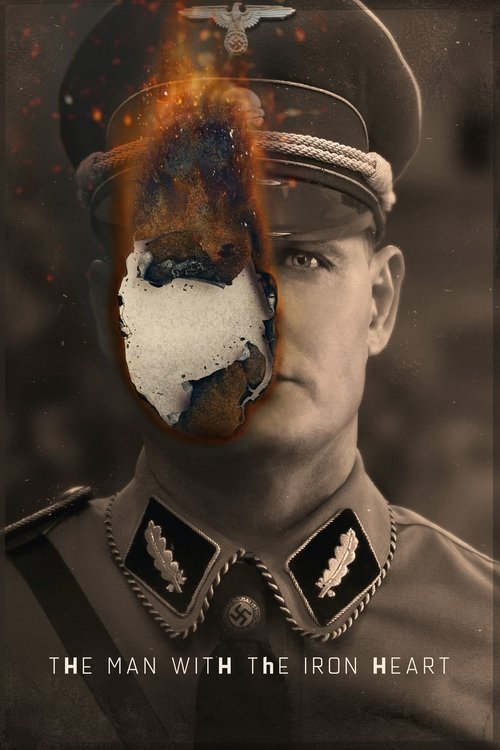
The Man with the Iron Heart
With the Third Reich at its peak in 1942, the Czech resistance in London plans the most ambitious military operation of WWII – Anthropoid. Two young recruits are sent to Prague to assassinate the most ruthless Nazi leader – Reinhard Heydrich, head of the Reich Security Main Office, the Gestapo and the architect of the Final Solution.
The film commercial failure against its mid-range budget of $32.7M, earning $4.4M globally (-86% loss). While initial box office returns were modest, the film has gained appreciation for its distinctive approach within the war genre.


Plot Structure
Story beats plotted across runtime


Narrative Arc
Emotional journey through the story's key moments
Story Circle
Blueprint 15-beat structure
Arcplot Score Breakdown
Weighted: Precision (70%) + Arc (15%) + Theme (15%)
The Man with the Iron Heart (2017) exhibits deliberately positioned narrative design, characteristic of Cédric Jimenez's storytelling approach. This structural analysis examines how the film's 15-point plot structure maps to proven narrative frameworks across 2 hours. With an Arcplot score of 6.8, the film balances conventional beats with creative variation.
Structural Analysis
The Status Quo at 1 minutes (1% through the runtime) establishes Heydrich is introduced as a rising Nazi officer in 1930s Germany, ambitious and cold. The resistance members are living under occupation in Prague, their freedom already lost.. Structural examination shows that this early placement immediately immerses viewers in the story world.
The inciting incident occurs at 14 minutes when Heydrich is appointed Protector of Bohemia and Moravia, bringing unprecedented terror to Prague. The resistance receives orders from London: Heydrich must be eliminated.. At 12% through the film, this Disruption aligns precisely with traditional story structure. This beat shifts the emotional landscape, launching the protagonist into the central conflict.
The First Threshold at 30 minutes marks the transition into Act II, occurring at 25% of the runtime. This indicates the protagonist's commitment to Gabčík and Kubiš parachute into occupied Czechoslovakia and commit to the assassination mission, entering the dangerous world of underground resistance with no way back., moving from reaction to action.
At 60 minutes, the Midpoint arrives at 50% of the runtime—precisely centered, creating perfect narrative symmetry. Structural examination shows that this crucial beat The assassination attempt succeeds—Heydrich's car is ambushed, and he is critically wounded. False victory: they believe they've won, but the true cost is yet to come., fundamentally raising what's at risk. The emotional intensity shifts, dividing the narrative into clear before-and-after phases.
The Collapse moment at 90 minutes (75% through) represents the emotional nadir. Here, The resistance is betrayed. The Gestapo discovers the paratroopers' location in the church. Their supporter network is destroyed, hundreds of innocents are dead, and the survivors are trapped with no escape., indicates the protagonist at their lowest point. This beat's placement in the final quarter sets up the climactic reversal.
The Second Threshold at 96 minutes initiates the final act resolution at 80% of the runtime. The resistance fighters choose to die fighting rather than surrender, understanding that their sacrifice has meaning beyond immediate victory. They accept that resistance itself is the answer to tyranny., demonstrating the transformation achieved throughout the journey.
Emotional Journey
The Man with the Iron Heart's emotional architecture traces a deliberate progression across 15 carefully calibrated beats.
Narrative Framework
This structural analysis employs proven narrative structure principles that track dramatic progression. By mapping The Man with the Iron Heart against these established plot points, we can identify how Cédric Jimenez utilizes or subverts traditional narrative conventions. The plot point approach reveals not only adherence to structural principles but also creative choices that distinguish The Man with the Iron Heart within the war genre.
Cédric Jimenez's Structural Approach
Among the 2 Cédric Jimenez films analyzed on Arcplot, the average structural score is 6.8, demonstrating varied approaches to story architecture. The Man with the Iron Heart exemplifies the director's characteristic narrative technique. For comparative analysis, explore the complete Cédric Jimenez filmography.
Comparative Analysis
Additional war films include Fury, Shenandoah and More American Graffiti. For more Cédric Jimenez analyses, see November.
Plot Points by Act
Act I
SetupStatus Quo
Heydrich is introduced as a rising Nazi officer in 1930s Germany, ambitious and cold. The resistance members are living under occupation in Prague, their freedom already lost.
Theme
A character observes that evil men rise because good men do nothing, establishing the theme of resistance versus complicity in the face of tyranny.
Worldbuilding
Dual narrative establishes two worlds: Heydrich's ascent through Nazi ranks with his wife Lina's support, and the Czech resistance struggling under brutal occupation. The film crosscuts between 1930s Germany and 1941 Prague.
Disruption
Heydrich is appointed Protector of Bohemia and Moravia, bringing unprecedented terror to Prague. The resistance receives orders from London: Heydrich must be eliminated.
Resistance
Jozef Gabčík and Jan Kubiš are selected and trained in England for the assassination mission. They debate the mission's morality and feasibility, knowing it will bring Nazi reprisals. Meanwhile, Heydrich consolidates power through calculated brutality.
Act II
ConfrontationFirst Threshold
Gabčík and Kubiš parachute into occupied Czechoslovakia and commit to the assassination mission, entering the dangerous world of underground resistance with no way back.
Mirror World
The paratroopers connect with local resistance members, including women who risk everything to hide them. These relationships humanize the mission and show what they're fighting for—ordinary people choosing courage.
Premise
The resistance conducts surveillance on Heydrich, planning the attack while evading the Gestapo. Parallel narrative shows Heydrich's domestic life with his family, humanizing the monster. Tension builds as the assassination is prepared.
Midpoint
The assassination attempt succeeds—Heydrich's car is ambushed, and he is critically wounded. False victory: they believe they've won, but the true cost is yet to come.
Opposition
Heydrich dies from his wounds, but Nazi reprisals are savage. The Gestapo launches a manhunt, torturing and executing civilians. The village of Lidice is annihilated. The paratroopers' hiding places become prisons as the net tightens.
Collapse
The resistance is betrayed. The Gestapo discovers the paratroopers' location in the church. Their supporter network is destroyed, hundreds of innocents are dead, and the survivors are trapped with no escape.
Crisis
Surrounded in the Cathedral of Saints Cyril and Methodius, the paratroopers face their final hours. They grapple with whether their mission was worth the cost in innocent lives.
Act III
ResolutionSecond Threshold
The resistance fighters choose to die fighting rather than surrender, understanding that their sacrifice has meaning beyond immediate victory. They accept that resistance itself is the answer to tyranny.
Synthesis
The final battle in the church crypt. The paratroopers fight until their ammunition is exhausted, then take their own lives rather than give the Nazis the satisfaction of capture. The Gestapo claims a tactical victory but faces a moral defeat.
Transformation
Epilogue text reveals the historical impact: Heydrich's death led to the Holocaust's acceleration but also demonstrated that Nazi leaders were mortal. The resistance's courage inspired others and proved that standing against evil matters, even at ultimate cost.