The Omen
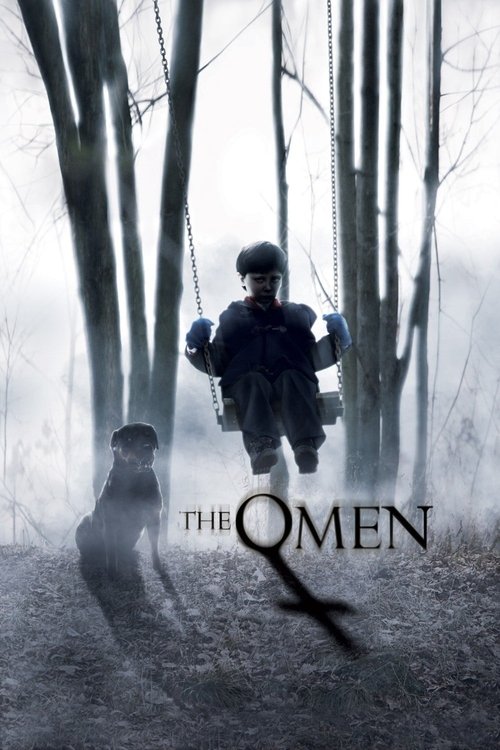
A diplomatic couple adopts the son of the devil without knowing it. A remake of the classic horror film of the same name from 1976.
Despite a respectable budget of $25.0M, The Omen became a solid performer, earning $120.0M worldwide—a 380% return.
1 win & 7 nominations


Plot Structure
Story beats plotted across runtime


Narrative Arc
Emotional journey through the story's key moments
Story Circle
Blueprint 15-beat structure
Arcplot Score Breakdown
Weighted: Precision (70%) + Arc (15%) + Theme (15%)
The Omen (2006) showcases strategically placed dramatic framework, characteristic of John Moore's storytelling approach. This structural analysis examines how the film's 15-point plot structure maps to proven narrative frameworks across 1 hour and 50 minutes. With an Arcplot score of 7.1, the film balances conventional beats with creative variation.
Structural Analysis
The Status Quo at 1 minutes (1% through the runtime) establishes Vatican astronomers observe ominous celestial alignments while Robert Thorn awaits the birth of his first child in Rome, establishing a world where ancient prophecy and modern ambition intersect.. Notably, this early placement immediately immerses viewers in the story world.
The inciting incident occurs at 13 minutes when At Damien's fifth birthday party, his nanny Holly publicly hangs herself from the roof, declaring "This is for you, Damien!" The horrific spectacle shatters the family's perfect facade and announces that something deeply wrong surrounds their son.. At 12% through the film, this Disruption aligns precisely with traditional story structure. This beat shifts the emotional landscape, launching the protagonist into the central conflict.
The First Threshold at 28 minutes marks the transition into Act II, occurring at 25% of the runtime. This shows the protagonist's commitment to After Father Brennan is killed by a falling church spire in a freak storm, Robert chooses to investigate Damien's true origins despite his rational skepticism. He crosses from denial into active pursuit of the terrifying truth., moving from reaction to action.
At 55 minutes, the Midpoint arrives at 50% of the runtime—precisely centered, creating perfect narrative symmetry. Notably, this crucial beat Damien deliberately causes Katherine to fall from a hospital balcony using his tricycle. She survives but loses her unborn child. The attack transforms the supernatural threat from abstract investigation into devastating personal reality for Robert., fundamentally raising what's at risk. The emotional intensity shifts, dividing the narrative into clear before-and-after phases.
The Collapse moment at 83 minutes (75% through) represents the emotional nadir. Here, Keith Jennings is decapitated by a sheet of glass that slides from a truck, fulfilling the death mark visible in his own photograph. Robert loses his ally, his wife is dead, and he must face the impossible task of killing his son alone., shows the protagonist at their lowest point. This beat's placement in the final quarter sets up the climactic reversal.
The Second Threshold at 88 minutes initiates the final act resolution at 80% of the runtime. Robert discovers the 666 birthmark hidden beneath Damien's hair, confirming beyond all doubt that the boy is the Antichrist. He makes the agonizing decision to use Bugenhagen's daggers and end Damien's life on holy ground., demonstrating the transformation achieved throughout the journey.
Emotional Journey
The Omen's emotional architecture traces a deliberate progression across 15 carefully calibrated beats.
Narrative Framework
This structural analysis employs systematic plot point analysis that identifies crucial turning points. By mapping The Omen against these established plot points, we can identify how John Moore utilizes or subverts traditional narrative conventions. The plot point approach reveals not only adherence to structural principles but also creative choices that distinguish The Omen within the horror genre.
John Moore's Structural Approach
Among the 5 John Moore films analyzed on Arcplot, the average structural score is 7.1, reflecting strong command of classical structure. The Omen represents one of the director's most structurally precise works. For comparative analysis, explore the complete John Moore filmography.
Comparative Analysis
Additional horror films include Thinner, A Nightmare on Elm Street and Mary Reilly. For more John Moore analyses, see Max Payne, A Good Day to Die Hard and Behind Enemy Lines.
Plot Points by Act
Act I
SetupStatus Quo
Vatican astronomers observe ominous celestial alignments while Robert Thorn awaits the birth of his first child in Rome, establishing a world where ancient prophecy and modern ambition intersect.
Theme
Father Spiletto persuades Robert to secretly adopt another child after his son dies at birth, stating the mother died and no one need know. The theme of deception's consequences is established through this fateful bargain.
Worldbuilding
The Thorns return to London where Robert becomes US Ambassador to Great Britain. Their family appears perfect as Damien grows, but subtle signs of wrongness emerge - animals fear him and an unease permeates their wealthy existence.
Disruption
At Damien's fifth birthday party, his nanny Holly publicly hangs herself from the roof, declaring "This is for you, Damien!" The horrific spectacle shatters the family's perfect facade and announces that something deeply wrong surrounds their son.
Resistance
Father Brennan desperately warns Robert that Damien is the Antichrist born of a jackal. Katherine grows increasingly disturbed by her son's behavior. The sinister Mrs. Baylock arrives as Damien's new nanny, pledging her protection to the child.
Act II
ConfrontationFirst Threshold
After Father Brennan is killed by a falling church spire in a freak storm, Robert chooses to investigate Damien's true origins despite his rational skepticism. He crosses from denial into active pursuit of the terrifying truth.
Mirror World
Robert meets photographer Keith Jennings, who reveals that strange marks appear in his photographs of people just before they die violently. Their alliance forms the investigative partnership that will uncover Damien's demonic origins.
Premise
Robert and Keith travel to Italy investigating Damien's birth. They discover the hospital where Damien was born burned down suspiciously, find Father Spiletto horribly disfigured and mute, and unearth the grave of Damien's biological mother - a jackal.
Midpoint
Damien deliberately causes Katherine to fall from a hospital balcony using his tricycle. She survives but loses her unborn child. The attack transforms the supernatural threat from abstract investigation into devastating personal reality for Robert.
Opposition
Robert and Keith travel to Megiddo in Israel to meet the exorcist Bugenhagen, who provides them with the seven sacred daggers of Megiddo needed to kill the Antichrist. Meanwhile, Mrs. Baylock murders the hospitalized Katherine by injecting air into her IV.
Collapse
Keith Jennings is decapitated by a sheet of glass that slides from a truck, fulfilling the death mark visible in his own photograph. Robert loses his ally, his wife is dead, and he must face the impossible task of killing his son alone.
Crisis
Robert returns home devastated, confronting the unbearable choice before him. He must reconcile his love for the child he raised as his son with the knowledge that Damien is the Antichrist who murdered his wife and unborn child.
Act III
ResolutionSecond Threshold
Robert discovers the 666 birthmark hidden beneath Damien's hair, confirming beyond all doubt that the boy is the Antichrist. He makes the agonizing decision to use Bugenhagen's daggers and end Damien's life on holy ground.
Synthesis
Robert takes Damien to a church to perform the ritual killing. He kills Mrs. Baylock when she attacks him. On the altar, Robert raises the sacred daggers over the screaming child as police burst in with guns drawn.
Transformation
Police shoot Robert dead before he can kill Damien. At the joint funeral for Robert and Katherine, Damien stands holding the hand of the President of the United States, turning to smile directly at the camera. Evil has triumphed completely.