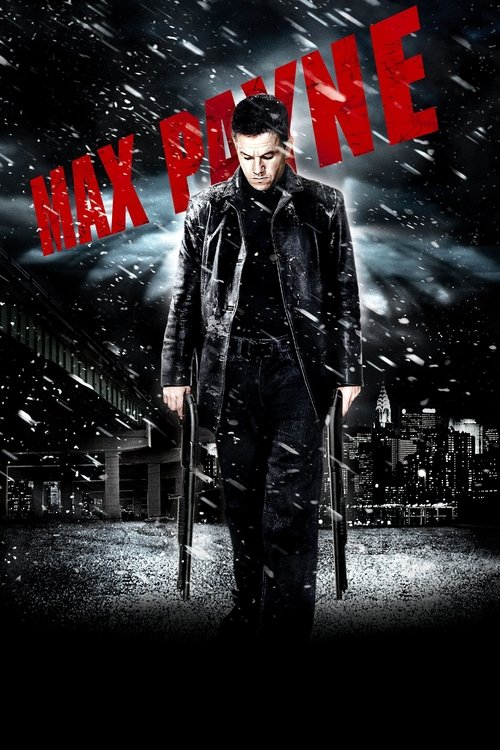
Max Payne
A DEA agent whose family was slain as part of a conspiracy, and an assassin out to avenge her sister's death, join forces to solve a series of murders in New York City.
Despite a mid-range budget of $35.0M, Max Payne became a solid performer, earning $85.4M worldwide—a 144% return.


Plot Structure
Story beats plotted across runtime


Narrative Arc
Emotional journey through the story's key moments
Story Circle
Blueprint 15-beat structure
Arcplot Score Breakdown
Weighted: Precision (70%) + Arc (15%) + Theme (15%)
Max Payne (2008) reveals strategically placed dramatic framework, characteristic of John Moore's storytelling approach. This structural analysis examines how the film's 15-point plot structure maps to proven narrative frameworks across 1 hour and 40 minutes. With an Arcplot score of 7.1, the film balances conventional beats with creative variation.
Characters
Cast & narrative archetypes

Max Payne
Mona Sax
BB Hensley
Jason Colvin
Nicole Horne
Jim Bravura
Main Cast & Characters
Max Payne
Played by Mark Wahlberg
A vengeful DEA agent investigating his family's murder while battling drug-enhanced killers in a noir-soaked New York.
Mona Sax
Played by Mila Kunis
A deadly assassin seeking revenge for her sister's murder who becomes Max's reluctant ally.
BB Hensley
Played by Beau Bridges
Max's former partner and friend who becomes entangled in the conspiracy surrounding the Valkyr drug.
Jason Colvin
Played by Chris O'Donnell
An internal affairs detective investigating Max who ultimately helps uncover the truth.
Nicole Horne
Played by Kate Burton
The corrupt CEO of Aesir Corporation orchestrating the Valkyr drug conspiracy.
Jim Bravura
Played by Ludacris
The tough police chief who initially hunts Max but later aids him.
Structural Analysis
The Status Quo at 1 minutes (1% through the runtime) establishes Max Payne works alone in the cold case basement office, obsessively reviewing files about his wife and child's murder three years ago. He's a ghost of his former self, consumed by grief and the need for vengeance.. Notably, this early placement immediately immerses viewers in the story world.
The inciting incident occurs at 13 minutes when Natasha is brutally murdered after leaving Max's apartment, and Max becomes the prime suspect. His wallet was in her possession, making him the target of both the police investigation and her sister Mona's vengeance.. At 13% through the film, this Disruption is delayed, allowing extended setup of the story world. This beat shifts the emotional landscape, launching the protagonist into the central conflict.
The First Threshold at 25 minutes marks the transition into Act II, occurring at 25% of the runtime. This shows the protagonist's commitment to Alex Balder is murdered by the conspiracy, shot in front of Max. This personal loss forces Max to actively hunt the killers rather than passively investigate. He chooses to cross into dangerous territory and take the fight to them., moving from reaction to action.
At 51 minutes, the Midpoint arrives at 51% of the runtime—precisely centered, creating perfect narrative symmetry. Structural examination shows that this crucial beat Max discovers the Valkyr connection to Aesir Corporation and realizes his wife was murdered because she discovered their illegal military experiments. False victory: he finally knows who's responsible and believes he can get justice., fundamentally raising what's at risk. The emotional intensity shifts, dividing the narrative into clear before-and-after phases.
The Collapse moment at 76 minutes (76% through) represents the emotional nadir. Here, Max is shot and left for dead in the freezing water. Literal whiff of death as he sinks beneath the ice, seemingly killed by Horne's forces. His quest for revenge appears to have led to his own destruction, as BB warned., indicates the protagonist at their lowest point. This beat's placement in the final quarter sets up the climactic reversal.
The Second Threshold at 80 minutes initiates the final act resolution at 80% of the runtime. Max chooses to finish the fight, not just for revenge but for justice and to stop Horne from hurting others. He synthesizes his detective skills with his warrior nature, armed with new clarity about what he's fighting for., demonstrating the transformation achieved throughout the journey.
Emotional Journey
Max Payne's emotional architecture traces a deliberate progression across 15 carefully calibrated beats.
Narrative Framework
This structural analysis employs proven narrative structure principles that track dramatic progression. By mapping Max Payne against these established plot points, we can identify how John Moore utilizes or subverts traditional narrative conventions. The plot point approach reveals not only adherence to structural principles but also creative choices that distinguish Max Payne within the crime genre.
John Moore's Structural Approach
Among the 5 John Moore films analyzed on Arcplot, the average structural score is 7.1, reflecting strong command of classical structure. Max Payne represents one of the director's most structurally precise works. For comparative analysis, explore the complete John Moore filmography.
Comparative Analysis
Additional crime films include The Bad Guys, Rustom and The Whole Ten Yards. For more John Moore analyses, see A Good Day to Die Hard, Behind Enemy Lines and The Omen.
Plot Points by Act
Act I
SetupStatus Quo
Max Payne works alone in the cold case basement office, obsessively reviewing files about his wife and child's murder three years ago. He's a ghost of his former self, consumed by grief and the need for vengeance.
Theme
BB Hensley warns Max: "You're walking in the land of the dead. Be careful you don't join them." Theme stated: revenge can destroy you if you're not careful.
Worldbuilding
Establishing Max's dark world: his isolation from former partner Alex Balder, his obsessive investigation, the harsh winter NYC setting, and the dangerous underworld he navigates. Introduction of Natasha and the drugged-out criminal element.
Disruption
Natasha is brutally murdered after leaving Max's apartment, and Max becomes the prime suspect. His wallet was in her possession, making him the target of both the police investigation and her sister Mona's vengeance.
Resistance
Max resists becoming actively involved, wanting to continue his lone investigation. His former partner Alex tries to help him while internal affairs investigates. Max debates whether to go on the offensive or keep his head down.
Act II
ConfrontationFirst Threshold
Alex Balder is murdered by the conspiracy, shot in front of Max. This personal loss forces Max to actively hunt the killers rather than passively investigate. He chooses to cross into dangerous territory and take the fight to them.
Mirror World
Max forms an uneasy alliance with Mona Sax, Natasha's sister and an assassin. She represents a mirror to Max—also driven by revenge but still connected to the living world. Their partnership carries the film's thematic weight.
Premise
Max pursues leads through the criminal underworld, uncovering the Valkyr drug conspiracy connected to his family's murder. Action sequences and detective work as he gets closer to the truth, fighting drug-enhanced gang members and corrupt officials.
Midpoint
Max discovers the Valkyr connection to Aesir Corporation and realizes his wife was murdered because she discovered their illegal military experiments. False victory: he finally knows who's responsible and believes he can get justice.
Opposition
Nicole Horne and her forces close in. Max is hunted by both corrupt cops and corporate mercenaries. His internal affairs handler is revealed as compromised. The stakes escalate as the conspiracy tries to eliminate him and Mona.
Collapse
Max is shot and left for dead in the freezing water. Literal whiff of death as he sinks beneath the ice, seemingly killed by Horne's forces. His quest for revenge appears to have led to his own destruction, as BB warned.
Crisis
Max survives but must process his near-death experience. Dark night of the soul as he contemplates whether revenge is worth his life. BB finds and helps him, forcing Max to decide what he's really fighting for.
Act III
ResolutionSecond Threshold
Max chooses to finish the fight, not just for revenge but for justice and to stop Horne from hurting others. He synthesizes his detective skills with his warrior nature, armed with new clarity about what he's fighting for.
Synthesis
Final assault on Aesir Corporation headquarters. Max and Mona fight through Horne's forces. Climactic confrontation where Max faces Horne on the building's roof. He gets his revenge but chooses to let the law handle it rather than execute her himself—then she falls to her death anyway.
Transformation
Max walks away from the Aesir building with Mona, no longer the isolated ghost from the opening. He's found some measure of peace and redemption, able to move forward rather than remaining trapped in the past.