The Program
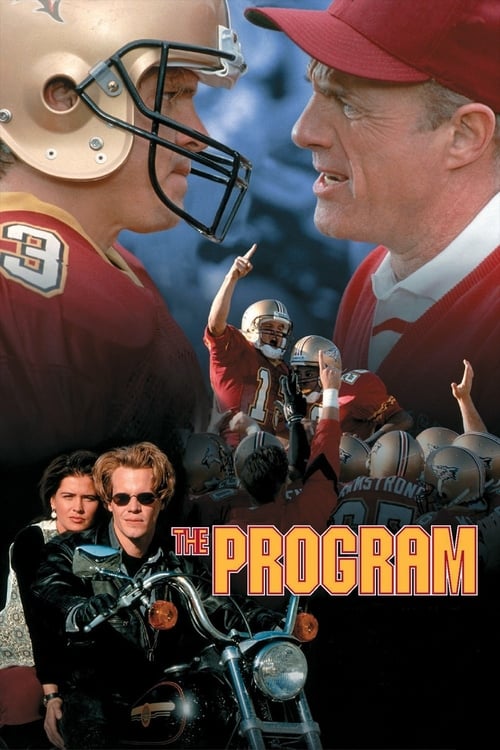
Several players from different backgrounds try to cope with the pressures of playing football at a major university. Each deals with the pressure differently, some turn to drinking, others to drugs, and some to studying.
The film earned $23.0M at the global box office.


Plot Structure
Story beats plotted across runtime


Narrative Arc
Emotional journey through the story's key moments
Story Circle
Blueprint 15-beat structure
Arcplot Score Breakdown
Weighted: Precision (70%) + Arc (15%) + Theme (15%)
The Program (1993) reveals precise plot construction, characteristic of David S. Ward's storytelling approach. This structural analysis examines how the film's 15-point plot structure maps to proven narrative frameworks across 1 hour and 52 minutes. With an Arcplot score of 6.7, the film balances conventional beats with creative variation.
Structural Analysis
The Status Quo at 1 minutes (1% through the runtime) establishes Coach Sam Winters presides over Eastern State University football program in crisis - multiple troubled players, declining performance, and mounting pressure to win. The status quo shows a program built on compromise and cutting corners.. The analysis reveals that this early placement immediately immerses viewers in the story world.
The inciting incident occurs at 14 minutes when The season begins disastrously with mounting losses and injuries. Joe Kane's shoulder injury worsens, requiring dangerous painkiller injections. The old way of doing things - covering up problems - becomes unsustainable as everything starts falling apart.. At 12% through the film, this Disruption aligns precisely with traditional story structure. This beat shifts the emotional landscape, launching the protagonist into the central conflict.
The First Threshold at 28 minutes marks the transition into Act II, occurring at 25% of the runtime. This reveals the protagonist's commitment to The characters make their choices: Kane commits to playing through injury with painkillers, Darnell accepts having papers written for him, Alvin increases steroid use, and Coach Winters tacitly approves the compromises. They cross into a world of systematic corruption., moving from reaction to action.
At 57 minutes, the Midpoint arrives at 51% of the runtime—precisely centered, creating perfect narrative symmetry. Structural examination shows that this crucial beat Eastern State achieves a major victory and becomes ranked, appearing headed for a championship. This false victory represents the high point - success achieved through corruption seems to justify all the compromises. But cracks are beginning to show., fundamentally raising what's at risk. The emotional intensity shifts, dividing the narrative into clear before-and-after phases.
The Collapse moment at 85 minutes (76% through) represents the emotional nadir. Here, Multiple collapses converge: a player is seriously injured or dies due to the program's negligence (the "whiff of death"), academic fraud is exposed, and the team's moral foundation crumbles. Everything they built through corruption falls apart. Coach Winters faces the consequences of his choices., indicates the protagonist at their lowest point. This beat's placement in the final quarter sets up the climactic reversal.
The Second Threshold at 91 minutes initiates the final act resolution at 81% of the runtime. Armed with painful self-awareness, the characters make new choices: Coach Winters commits to running a clean program regardless of consequences, Kane enters treatment, Darnell decides to face academic reality. They choose integrity over victory, synthesizing the theme's lesson., demonstrating the transformation achieved throughout the journey.
Emotional Journey
The Program's emotional architecture traces a deliberate progression across 15 carefully calibrated beats.
Narrative Framework
This structural analysis employs a 15-point narrative structure framework that maps key story moments. By mapping The Program against these established plot points, we can identify how David S. Ward utilizes or subverts traditional narrative conventions. The plot point approach reveals not only adherence to structural principles but also creative choices that distinguish The Program within the drama genre.
David S. Ward's Structural Approach
Among the 5 David S. Ward films analyzed on Arcplot, the average structural score is 7.1, reflecting strong command of classical structure. The Program takes a more unconventional approach compared to the director's typical style. For comparative analysis, explore the complete David S. Ward filmography.
Comparative Analysis
Additional drama films include After Thomas, South Pacific and Dirty Dancing: Havana Nights. For more David S. Ward analyses, see Major League II, Major League and King Ralph.
Plot Points by Act
Act I
SetupStatus Quo
Coach Sam Winters presides over Eastern State University football program in crisis - multiple troubled players, declining performance, and mounting pressure to win. The status quo shows a program built on compromise and cutting corners.
Theme
A character discusses what it takes to win in college football, questioning whether success justifies compromising integrity. The theme: at what cost does victory come, and what defines a true program?
Worldbuilding
Introduction to the ensemble cast: Joe Kane (injured quarterback battling painkillers), Darnell Jefferson (star running back with academic struggles), Alvin Mack (defensive player with steroid abuse), Autumn Haley (university tutor), and Coach Winters facing pressure from boosters and administration. The world of college football corruption is established.
Disruption
The season begins disastrously with mounting losses and injuries. Joe Kane's shoulder injury worsens, requiring dangerous painkiller injections. The old way of doing things - covering up problems - becomes unsustainable as everything starts falling apart.
Resistance
Players and coaches debate how to salvage the season. Kane debates continuing with injections. Darnell struggles between academics and football. Coach Winters faces pressure from boosters demanding wins at any cost. Each character wrestles with their moral choices.
Act II
ConfrontationFirst Threshold
The characters make their choices: Kane commits to playing through injury with painkillers, Darnell accepts having papers written for him, Alvin increases steroid use, and Coach Winters tacitly approves the compromises. They cross into a world of systematic corruption.
Mirror World
Autumn Haley, the academic tutor, represents integrity and serves as the thematic mirror. Her relationship with Darnell and her ethical stance on academic fraud provides the counterpoint to the win-at-all-costs mentality consuming the program.
Premise
The team starts winning through their moral compromises. The promise of the premise: watching the machinery of college football corruption in action. Games are won, players gain glory, and everyone ignores the mounting cost. This is the "fun" of watching the system work.
Midpoint
Eastern State achieves a major victory and becomes ranked, appearing headed for a championship. This false victory represents the high point - success achieved through corruption seems to justify all the compromises. But cracks are beginning to show.
Opposition
The consequences intensify: Kane's addiction to painkillers deepens and his play becomes erratic, Alvin's steroid abuse leads to violent behavior and psychological breakdown, Darnell's academic fraud is threatened with exposure, and Autumn confronts the moral bankruptcy of the system. The pressure mounts from all sides.
Collapse
Multiple collapses converge: a player is seriously injured or dies due to the program's negligence (the "whiff of death"), academic fraud is exposed, and the team's moral foundation crumbles. Everything they built through corruption falls apart. Coach Winters faces the consequences of his choices.
Crisis
In the darkness following the collapse, characters face their complicity. Coach Winters confronts what he's become, Kane faces his addiction, Darnell recognizes he's betrayed himself, and the program sits in ruins. The dark night of processing what winning cost them.
Act III
ResolutionSecond Threshold
Armed with painful self-awareness, the characters make new choices: Coach Winters commits to running a clean program regardless of consequences, Kane enters treatment, Darnell decides to face academic reality. They choose integrity over victory, synthesizing the theme's lesson.
Synthesis
The finale plays out with characters acting from their new understanding. The final game is played without shortcuts - perhaps they win or lose, but they do it with integrity. Coach Winters implements reforms. Players face consequences but reclaim their dignity. The program is rebuilt on honesty.
Transformation
Final image mirrors the opening but transformed: Coach Winters with his program, but now built on integrity rather than corruption. Players who may have less glory but more character. The cost of victory has been recalculated - true success means maintaining your values.