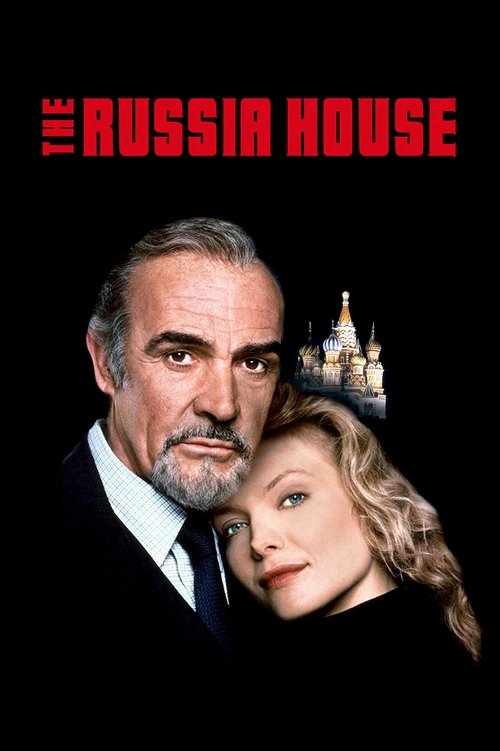
The Russia House
Barley Scott Blair, a Lisbon-based editor of Russian literature who unexpectedly begins working for British intelligence, is commissioned to investigate the purposes of Dante, a dissident scientist trapped in the decaying Soviet Union that is crumbling under the new open-minded policies.
Working with a mid-range budget of $21.8M, the film achieved a steady performer with $23.0M in global revenue (+5% profit margin).
1 win & 5 nominations


Plot Structure
Story beats plotted across runtime


Narrative Arc
Emotional journey through the story's key moments
Story Circle
Blueprint 15-beat structure
Arcplot Score Breakdown
Weighted: Precision (70%) + Arc (15%) + Theme (15%)
The Russia House (1990) exhibits strategically placed story structure, characteristic of Fred Schepisi's storytelling approach. This structural analysis examines how the film's 15-point plot structure maps to proven narrative frameworks across 1 hour and 58 minutes. With an Arcplot score of 6.7, the film balances conventional beats with creative variation.
Structural Analysis
The Status Quo at 1 minutes (1% through the runtime) establishes Barley Blair is shown as a disheveled, heavy-drinking British publisher who failed to attend a Soviet book fair in Moscow, establishing him as an unreliable, aimless figure disconnected from responsibility.. Of particular interest, this early placement immediately immerses viewers in the story world.
The inciting incident occurs at 14 minutes when British intelligence identifies Barley Blair as the intended recipient of the explosive manuscript. They locate and confront him, pulling this apolitical publisher into a dangerous world of espionage he never sought.. At 12% through the film, this Disruption aligns precisely with traditional story structure. This beat shifts the emotional landscape, launching the protagonist into the central conflict.
The First Threshold at 30 minutes marks the transition into Act II, occurring at 25% of the runtime. This indicates the protagonist's commitment to Barley agrees to return to Moscow as an intelligence asset, not out of patriotism but driven by his memory of the passionate Russian scientist and curiosity about Katya. He crosses into the spy world by choice, transforming from bystander to participant., moving from reaction to action.
At 59 minutes, the Midpoint arrives at 50% of the runtime—precisely centered, creating perfect narrative symmetry. The analysis reveals that this crucial beat Barley finally meets Dante face-to-face on a remote Soviet island. The scientist reveals his motivations—he wants to expose Soviet military weaknesses to prevent nuclear war. This false victory gives Barley hope that everyone can win, but it raises the stakes dramatically for all involved., fundamentally raising what's at risk. The emotional intensity shifts, dividing the narrative into clear before-and-after phases.
The Collapse moment at 88 minutes (75% through) represents the emotional nadir. Here, Barley learns that Dante has been arrested by the KGB. The scientist's fate is sealed—he will likely be executed. Barley realizes that his participation in the spy game has destroyed an innocent idealist and endangered Katya and her children. Everything he touched turned to ash., demonstrates the protagonist at their lowest point. This beat's placement in the final quarter sets up the climactic reversal.
The Second Threshold at 95 minutes initiates the final act resolution at 81% of the runtime. Barley makes his irreversible choice: he will betray British and American intelligence to save Katya. He feeds disinformation to the Soviets, trading his value as an asset for Katya's freedom. He chooses love and individual humanity over nations and ideologies., demonstrating the transformation achieved throughout the journey.
Emotional Journey
The Russia House's emotional architecture traces a deliberate progression across 15 carefully calibrated beats.
Narrative Framework
This structural analysis employs a 15-point narrative structure framework that maps key story moments. By mapping The Russia House against these established plot points, we can identify how Fred Schepisi utilizes or subverts traditional narrative conventions. The plot point approach reveals not only adherence to structural principles but also creative choices that distinguish The Russia House within the drama genre.
Fred Schepisi's Structural Approach
Among the 7 Fred Schepisi films analyzed on Arcplot, the average structural score is 7.2, reflecting strong command of classical structure. The Russia House takes a more unconventional approach compared to the director's typical style. For comparative analysis, explore the complete Fred Schepisi filmography.
Comparative Analysis
Additional drama films include After Thomas, South Pacific and Dirty Dancing: Havana Nights. For more Fred Schepisi analyses, see Six Degrees of Separation, Mr. Baseball and I.Q..
Plot Points by Act
Act I
SetupStatus Quo
Barley Blair is shown as a disheveled, heavy-drinking British publisher who failed to attend a Soviet book fair in Moscow, establishing him as an unreliable, aimless figure disconnected from responsibility.
Theme
Ned explains to colleagues that trust is the currency of espionage: "In our world, trust is the only thing that matters." The film explores whether authentic human connection can survive in a world built on deception.
Worldbuilding
The world of Cold War intelligence is established. Katya delivers Dante's manuscript at the Moscow book fair. British intelligence discovers the notebooks contain Soviet military secrets. The CIA and MI6 scramble to verify authenticity while searching for the mysterious author and the missing British contact.
Disruption
British intelligence identifies Barley Blair as the intended recipient of the explosive manuscript. They locate and confront him, pulling this apolitical publisher into a dangerous world of espionage he never sought.
Resistance
Ned and the intelligence services debrief Barley about his drunken conversation with Dante at the previous year's book fair. They explain the significance of the manuscript and pressure him to become their asset. Barley resists, questioning the morality of the spy game and expressing distaste for both superpowers' deceptions.
Act II
ConfrontationFirst Threshold
Barley agrees to return to Moscow as an intelligence asset, not out of patriotism but driven by his memory of the passionate Russian scientist and curiosity about Katya. He crosses into the spy world by choice, transforming from bystander to participant.
Mirror World
Barley meets Katya Orlova in Moscow. Their connection is immediate and profound. She represents everything authentic that the spy world lacks—genuine feeling, personal sacrifice, and moral courage. Through her, Barley begins to discover what truly matters.
Premise
Barley navigates Moscow's shadowy world, meeting secretly with Katya and attempting to contact Dante. He plays the role of spy while falling deeper in love with Katya and becoming emotionally invested in protecting her and her children. The tension between his mission and his heart intensifies.
Midpoint
Barley finally meets Dante face-to-face on a remote Soviet island. The scientist reveals his motivations—he wants to expose Soviet military weaknesses to prevent nuclear war. This false victory gives Barley hope that everyone can win, but it raises the stakes dramatically for all involved.
Opposition
The CIA grows suspicious and demanding. Russell from Langley pressures for more intelligence and faster results. Barley's divided loyalties become untenable as he tries to protect Katya, satisfy his handlers, and honor his promise to Dante. Soviet surveillance tightens around all of them.
Collapse
Barley learns that Dante has been arrested by the KGB. The scientist's fate is sealed—he will likely be executed. Barley realizes that his participation in the spy game has destroyed an innocent idealist and endangered Katya and her children. Everything he touched turned to ash.
Crisis
Barley wrestles with devastating guilt and impossible choices. He can continue serving Western intelligence or try to save Katya. Ned watches helplessly as Barley's disillusionment with the spy world reaches its nadir. The moral bankruptcy of espionage stands fully exposed.
Act III
ResolutionSecond Threshold
Barley makes his irreversible choice: he will betray British and American intelligence to save Katya. He feeds disinformation to the Soviets, trading his value as an asset for Katya's freedom. He chooses love and individual humanity over nations and ideologies.
Synthesis
Barley executes his plan, meeting with Soviet intelligence and making his deal. The Western agencies realize they've been outmaneuvered. Ned, despite his professional duty, shows quiet admiration for Barley's choice. The machinery of espionage grinds on, but one man found a way to assert his humanity.
Transformation
Barley and Katya are reunited in Lisbon, free from both East and West. The once-aimless drunk has found purpose through love. He traded everything—country, career, reputation—for authentic human connection. The final image shows them together, having escaped the Russia house of mirrors.