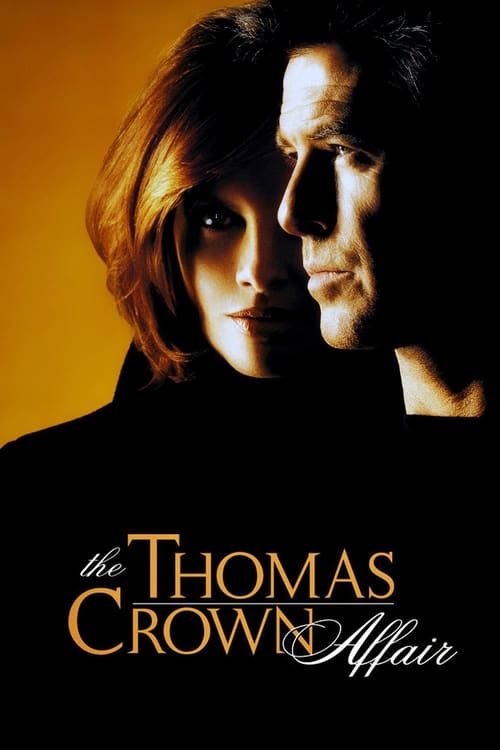
The Thomas Crown Affair
Bored billionaire executive Thomas Crown entertains himself by stealing a Monet from a reputed museum with an elaborate diversion. When Catherine Banning, the insurance company's investigator, takes an interest in Crown, he may have met his match, and a complicated back-and-forth game with seductive undertones begins between them.
Despite a respectable budget of $48.0M, The Thomas Crown Affair became a commercial success, earning $124.3M worldwide—a 159% return.
3 wins & 2 nominations


Plot Structure
Story beats plotted across runtime


Narrative Arc
Emotional journey through the story's key moments
Story Circle
Blueprint 15-beat structure
Arcplot Score Breakdown
Weighted: Precision (70%) + Arc (15%) + Theme (15%)
The Thomas Crown Affair (1999) exemplifies deliberately positioned story structure, characteristic of John McTiernan's storytelling approach. This structural analysis examines how the film's 15-point plot structure maps to proven narrative frameworks across 1 hour and 53 minutes. With an Arcplot score of 7.1, the film balances conventional beats with creative variation.
Characters
Cast & narrative archetypes

Thomas Crown
Catherine Banning
Michael McCann
John Reynolds
Main Cast & Characters
Thomas Crown
Played by Pierce Brosnan
Wealthy billionaire businessman who orchestrates elaborate art heists for the thrill, living a life of sophistication and calculated risk.
Catherine Banning
Played by Rene Russo
Insurance investigator hired to recover a stolen Monet, who matches Crown's intellect and engages in a dangerous game of cat-and-mouse romance.
Michael McCann
Played by Denis Leary
NYPD detective investigating the museum heist, frustrated by Crown's wealth and ability to evade justice.
John Reynolds
Played by Ben Gazzara
Crown's loyal psychiatrist and confidant who understands his need for excitement and danger.
Structural Analysis
The Status Quo at 1 minutes (1% through the runtime) establishes Thomas Crown orchestrates the elaborate Monet heist with precision, establishing him as a wealthy thrill-seeker who has everything except genuine connection. His bored, detached demeanor reveals a man playing games with life.. Of particular interest, this early placement immediately immerses viewers in the story world.
The inciting incident occurs at 14 minutes when Thomas Crown and Catherine Banning meet face-to-face at the museum. The instant attraction disrupts both their carefully controlled worlds - she knows he's the thief, he knows she knows.. At 12% through the film, this Disruption aligns precisely with traditional story structure. This beat shifts the emotional landscape, launching the protagonist into the central conflict.
The First Threshold at 29 minutes marks the transition into Act II, occurring at 26% of the runtime. This shows the protagonist's commitment to The glider flight and first kiss. Crown actively chooses to pursue Catherine romantically despite knowing she's trying to catch him. She chooses to enter his world despite her professional obligations., moving from reaction to action.
At 57 minutes, the Midpoint arrives at 50% of the runtime—precisely centered, creating perfect narrative symmetry. The analysis reveals that this crucial beat Catherine presents Crown with evidence and an ultimatum: return the painting or she turns him in. False defeat - the romance seems impossible. Stakes raised: he must choose between the game and the woman., fundamentally raising what's at risk. The emotional intensity shifts, dividing the narrative into clear before-and-after phases.
The Collapse moment at 85 minutes (75% through) represents the emotional nadir. Here, Crown executes the second heist with the "Trojan horse" briefcase switch at the museum. Catherine watches, heartbroken, believing he chose the thrill over her. The death of her hope for his transformation., demonstrates the protagonist at their lowest point. This beat's placement in the final quarter sets up the climactic reversal.
The Second Threshold at 91 minutes initiates the final act resolution at 81% of the runtime. Crown returns the painting to Catherine at the museum, proving he's chosen love over the game. He risks everything, showing true vulnerability for the first time. The synthesis of thrills and genuine connection., demonstrating the transformation achieved throughout the journey.
Emotional Journey
The Thomas Crown Affair's emotional architecture traces a deliberate progression across 15 carefully calibrated beats.
Narrative Framework
This structural analysis employs systematic plot point analysis that identifies crucial turning points. By mapping The Thomas Crown Affair against these established plot points, we can identify how John McTiernan utilizes or subverts traditional narrative conventions. The plot point approach reveals not only adherence to structural principles but also creative choices that distinguish The Thomas Crown Affair within the drama genre.
John McTiernan's Structural Approach
Among the 11 John McTiernan films analyzed on Arcplot, the average structural score is 7.0, reflecting strong command of classical structure. The Thomas Crown Affair represents one of the director's most structurally precise works. For comparative analysis, explore the complete John McTiernan filmography.
Comparative Analysis
Additional drama films include After Thomas, South Pacific and Dirty Dancing: Havana Nights. For more John McTiernan analyses, see Die Hard, Die Hard: With a Vengeance and Medicine Man.
Plot Points by Act
Act I
SetupStatus Quo
Thomas Crown orchestrates the elaborate Monet heist with precision, establishing him as a wealthy thrill-seeker who has everything except genuine connection. His bored, detached demeanor reveals a man playing games with life.
Theme
Detective McCann tells Catherine: "Men like Crown don't make mistakes - they make choices." The film's central question: Can someone who's never been vulnerable learn to risk everything for love?
Worldbuilding
Introduction to Crown's privileged world of polo, business, and carefully controlled risks. Catherine Banning arrives as the insurance investigator, immediately intrigued by the puzzle Crown presents.
Disruption
Thomas Crown and Catherine Banning meet face-to-face at the museum. The instant attraction disrupts both their carefully controlled worlds - she knows he's the thief, he knows she knows.
Resistance
The elaborate dance of seduction and investigation begins. Crown invites Catherine into his world of luxury while she methodically builds her case. Both debate whether to cross professional and emotional boundaries.
Act II
ConfrontationFirst Threshold
The glider flight and first kiss. Crown actively chooses to pursue Catherine romantically despite knowing she's trying to catch him. She chooses to enter his world despite her professional obligations.
Mirror World
The famous chess game/seduction scene. Catherine represents everything Crown has avoided - vulnerability, genuine emotion, real stakes. Their relationship becomes the B-story that will transform him.
Premise
The promise of the premise: two brilliant people playing dangerous games of cat-and-mouse while falling in love. Romantic interludes, Caribbean trips, increasing intimacy countered by professional tensions.
Midpoint
Catherine presents Crown with evidence and an ultimatum: return the painting or she turns him in. False defeat - the romance seems impossible. Stakes raised: he must choose between the game and the woman.
Opposition
Crown plans to steal a second painting while Catherine struggles with her feelings. The detective increases pressure. Crown's emotional walls fight against his growing love. Both face the impossibility of their situation.
Collapse
Crown executes the second heist with the "Trojan horse" briefcase switch at the museum. Catherine watches, heartbroken, believing he chose the thrill over her. The death of her hope for his transformation.
Crisis
Catherine's dark night - she believes Crown will escape, unchanged. Crown faces his own emptiness, realizing the game means nothing without her. Both process what they've lost.
Act III
ResolutionSecond Threshold
Crown returns the painting to Catherine at the museum, proving he's chosen love over the game. He risks everything, showing true vulnerability for the first time. The synthesis of thrills and genuine connection.
Synthesis
Crown orchestrates his escape by creating chaos with multiple men in bowler hats while Catherine must decide whether to pursue him or let him go. Final confrontation of duty versus love.
Transformation
Catherine finds Crown waiting at Martinique, having chosen her over everything. Mirror of opening: Crown no longer detached and bored, but present and vulnerable. She chose love over duty; he chose connection over control.