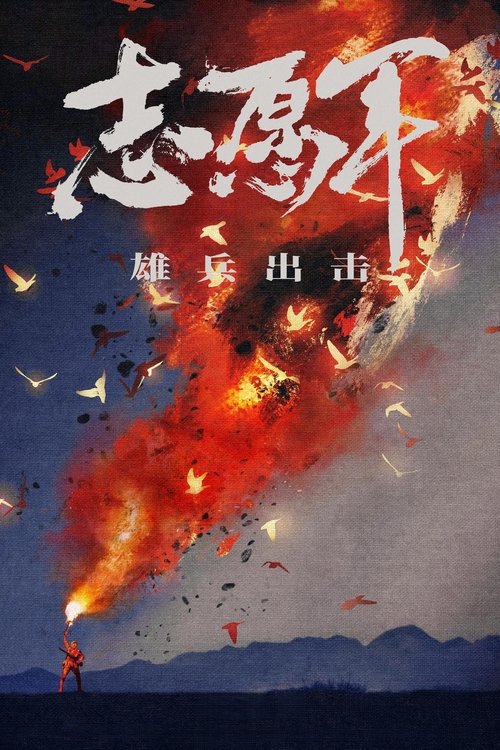
The Volunteers: To the War
In the early days of the founding of the People's Republic of China in 1949, New China was faced with "internal and external troubles". Since the outbreak of the Korean Civil War, the U.S. military has repeatedly provoked the border between China and North Korea, and civilians have been brutally bombed. In order to maintain the hard-won peace and long-term stability for generations, in October 1950, the Chinese People's Volunteers entered North Korea, and the "Resist US Aid Korea" war kicked off.
The film earned $115.9M at the global box office.
Plot Structure
Story beats plotted across runtime


Narrative Arc
Emotional journey through the story's key moments
Story Circle
Blueprint 15-beat structure
Arcplot Score Breakdown
Weighted: Precision (70%) + Arc (15%) + Theme (15%)
The Volunteers: To the War (2023) reveals deliberately positioned narrative design, characteristic of Chen Kaige's storytelling approach. This structural analysis examines how the film's 11-point plot structure maps to proven narrative frameworks across 2 hours and 21 minutes. With an Arcplot score of 7.0, the film balances conventional beats with creative variation.
Structural Analysis
The Status Quo at 2 minutes (1% through the runtime) establishes Post-WWII China in 1950. Chinese soldiers return home to their families after the civil war, expecting peace. Scenes of reconstruction and hope for a new China show the ordinary world before the Korean conflict.. Structural examination shows that this early placement immediately immerses viewers in the story world.
The inciting incident occurs at 17 minutes when North Korea appeals to China for military assistance as UN forces push northward toward the Chinese border. The threat to Chinese sovereignty becomes clear, disrupting hopes for peacetime reconstruction.. At 12% through the film, this Disruption aligns precisely with traditional story structure. This beat shifts the emotional landscape, launching the protagonist into the central conflict.
At 70 minutes, the Midpoint arrives at 50% of the runtime—precisely centered, creating perfect narrative symmetry. Significantly, this crucial beat False defeat: The Battle of Chosin Reservoir begins. The volunteers face devastating American air superiority and firepower. The brutal winter conditions and overwhelming enemy technology make victory seem impossible. The stakes are raised dramatically., fundamentally raising what's at risk. The emotional intensity shifts, dividing the narrative into clear before-and-after phases.
The Collapse moment at 105 minutes (75% through) represents the emotional nadir. Here, A beloved commander or close comrade is killed in battle. The frozen bodies of Chinese soldiers who died at their posts are discovered, still in fighting positions. The "whiff of death" is literal—the ultimate sacrifice is shown in devastating detail., illustrates the protagonist at their lowest point. This beat's placement in the final quarter sets up the climactic reversal.
The Synthesis at 113 minutes initiates the final act resolution at 80% of the runtime. The finale offensive. Chinese volunteers execute their plan with the courage and tactical knowledge earned through their trials. They combine sacrifice with strategy to achieve their military objectives. The battle concludes with UN forces pushed back, securing North Korea and the Chinese border., demonstrating the transformation achieved throughout the journey.
Emotional Journey
The Volunteers: To the War's emotional architecture traces a deliberate progression across 11 carefully calibrated beats.
Narrative Framework
This structural analysis employs structural analysis methodology used to understand storytelling architecture. By mapping The Volunteers: To the War against these established plot points, we can identify how Chen Kaige utilizes or subverts traditional narrative conventions. The plot point approach reveals not only adherence to structural principles but also creative choices that distinguish The Volunteers: To the War within the drama genre.
Chen Kaige's Structural Approach
Among the 7 Chen Kaige films analyzed on Arcplot, the average structural score is 7.0, demonstrating varied approaches to story architecture. The Volunteers: To the War represents one of the director's most structurally precise works. For comparative analysis, explore the complete Chen Kaige filmography.
Comparative Analysis
Additional drama films include Eye for an Eye, South Pacific and Kiss of the Spider Woman. For more Chen Kaige analyses, see The Volunteers: The Battle of Life and Death, Killing Me Softly and Farewell My Concubine.
Plot Points by Act
Act I
SetupStatus Quo
Post-WWII China in 1950. Chinese soldiers return home to their families after the civil war, expecting peace. Scenes of reconstruction and hope for a new China show the ordinary world before the Korean conflict.
Theme
A senior leader states that sacrifices must be made to protect the homeland, even when peace seems near. The theme of duty versus personal desire is established through dialogue about what it means to truly defend one's nation.
Worldbuilding
Establishment of post-war China, the geopolitical tensions on the Korean peninsula, introduction of key military leaders and volunteers, family dynamics of soldiers, and the growing threat of UN forces approaching the Chinese border at the Yalu River.
Disruption
North Korea appeals to China for military assistance as UN forces push northward toward the Chinese border. The threat to Chinese sovereignty becomes clear, disrupting hopes for peacetime reconstruction.
Resistance
Debate among Chinese leadership about whether to enter the Korean War. Mao Zedong and military commanders weigh the risks of fighting the world's most powerful military versus allowing hostile forces on their border. Soldiers prepare and train, some reluctantly leaving families again.
Act II
ConfrontationPremise
The promise of the war film premise: Chinese volunteers engage in their first battles against UN forces. Clever tactics overcome technological disadvantages. Early victories at battles like Unsan show the volunteers' determination and strategic brilliance despite inferior equipment.
Midpoint
False defeat: The Battle of Chosin Reservoir begins. The volunteers face devastating American air superiority and firepower. The brutal winter conditions and overwhelming enemy technology make victory seem impossible. The stakes are raised dramatically.
Opposition
Intense combat sequences as Chinese forces fight against superior American technology in freezing conditions. Casualties mount. Supply lines are bombed. The volunteers' weaknesses are exploited. Personal losses accumulate as the human cost of war becomes overwhelming.
Collapse
A beloved commander or close comrade is killed in battle. The frozen bodies of Chinese soldiers who died at their posts are discovered, still in fighting positions. The "whiff of death" is literal—the ultimate sacrifice is shown in devastating detail.
Crisis
Surviving volunteers process the catastrophic losses. Questions arise about whether the sacrifice is worth it. Emotional reflection on fallen comrades and the weight of their mission. The darkest night before the dawn.
Act III
ResolutionSynthesis
The finale offensive. Chinese volunteers execute their plan with the courage and tactical knowledge earned through their trials. They combine sacrifice with strategy to achieve their military objectives. The battle concludes with UN forces pushed back, securing North Korea and the Chinese border.